Last updated November 21, 2026
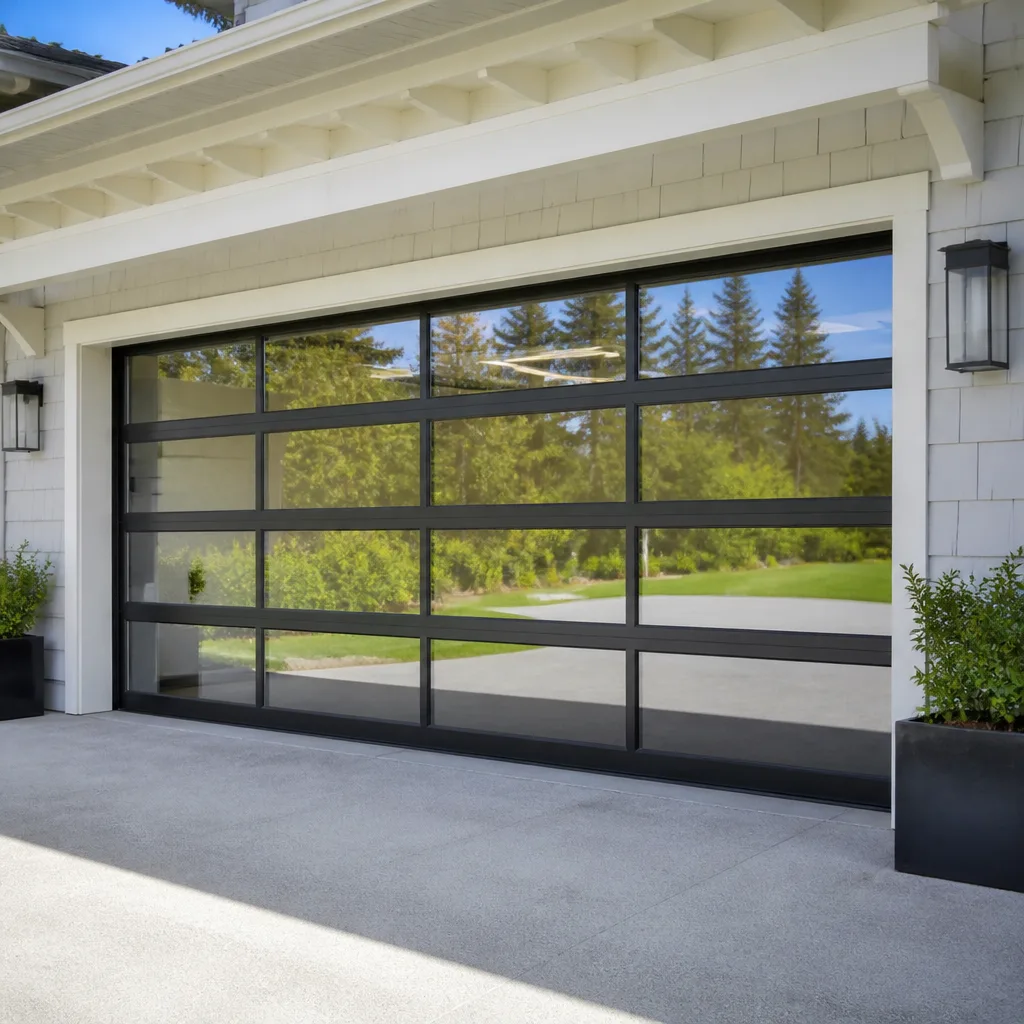 Full-view glass
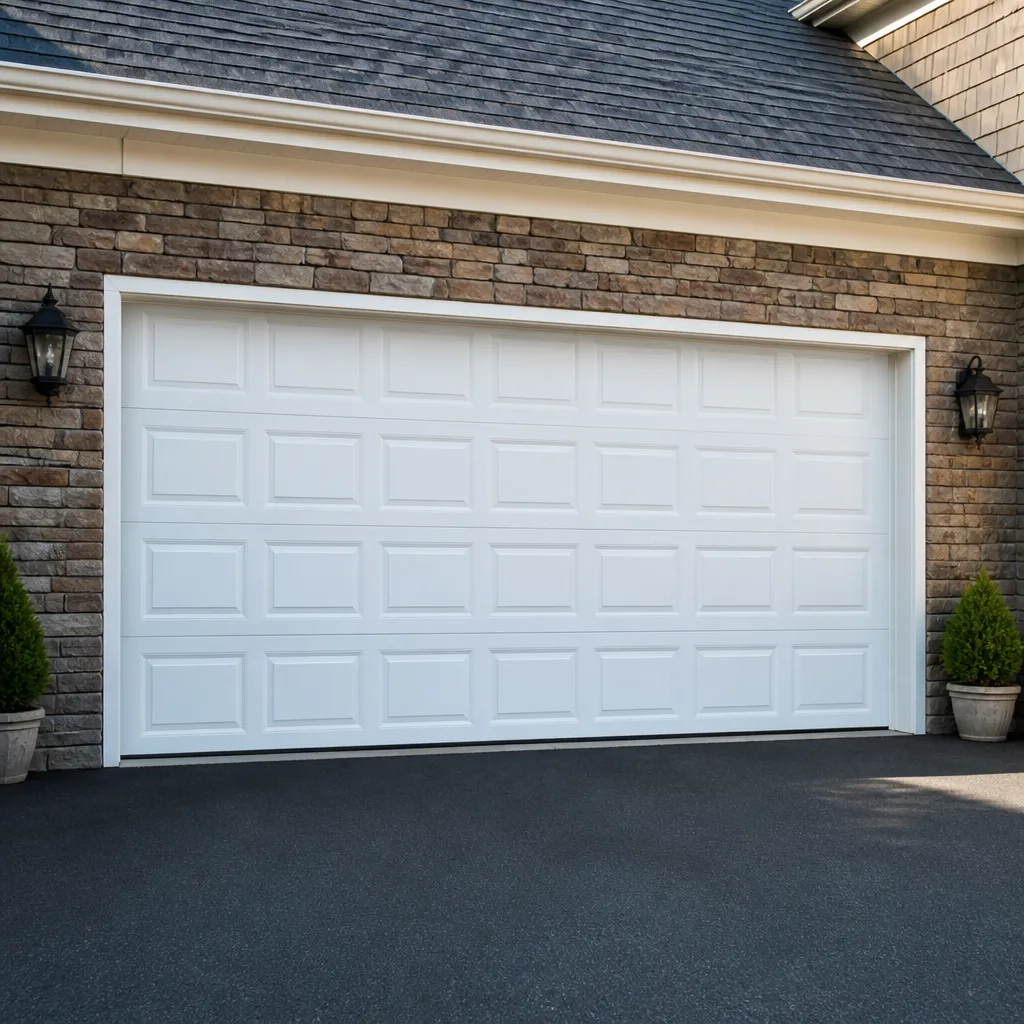 Raised-panel steel
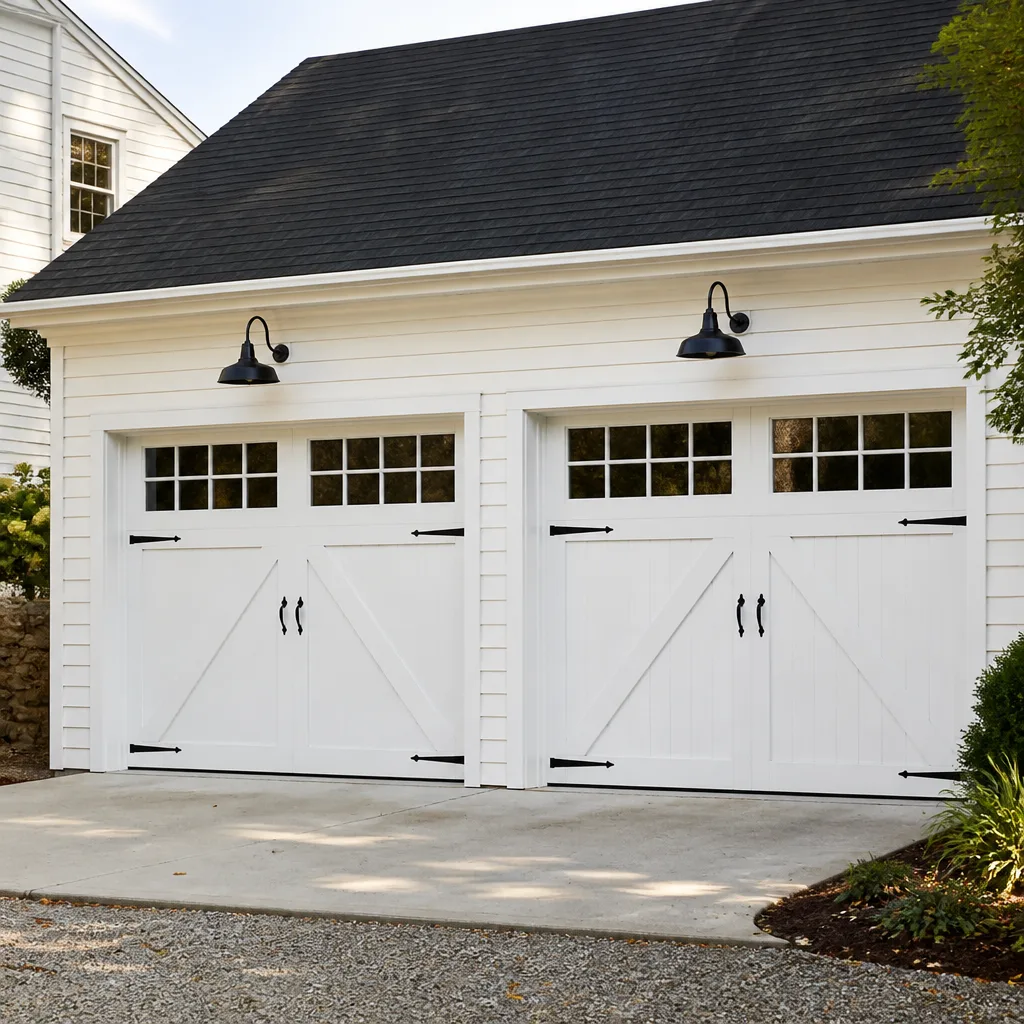 Carriage house
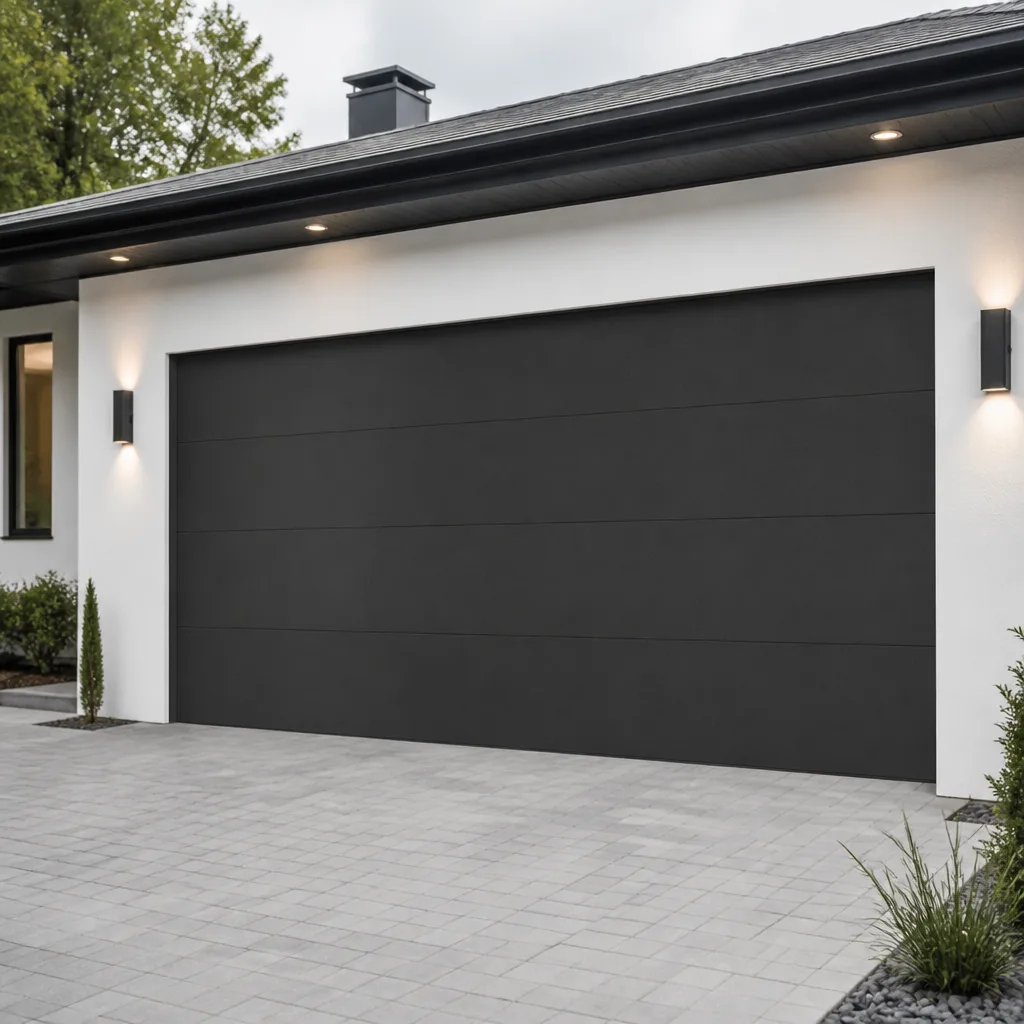 Modern flush
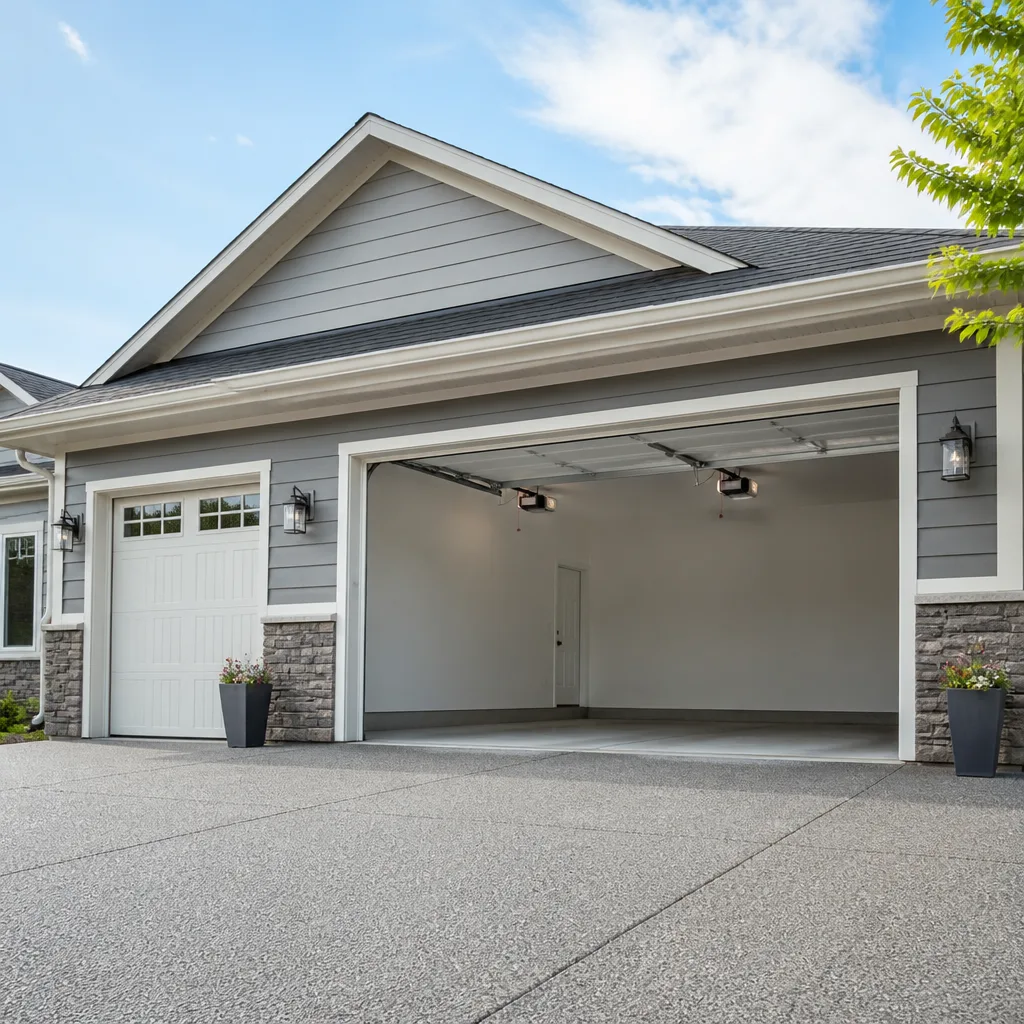 LiftMaster openers
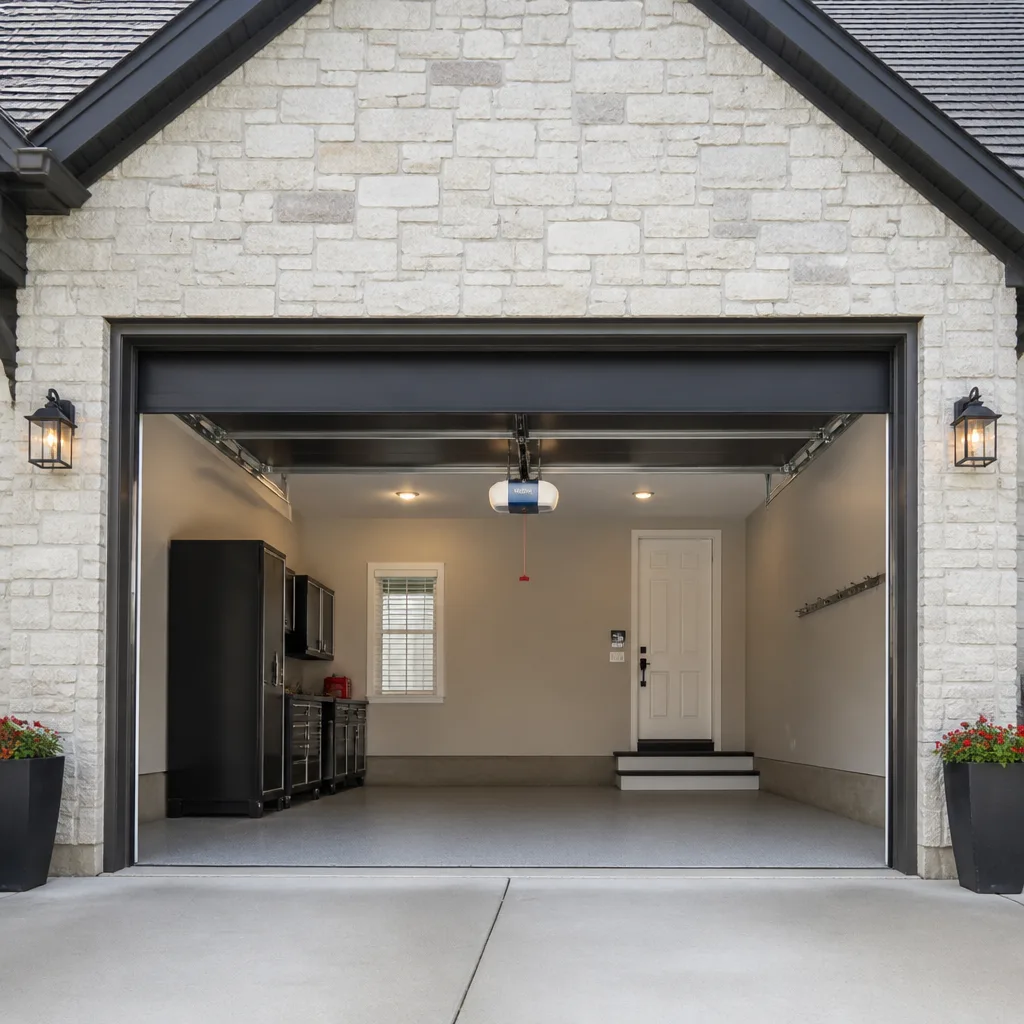 Chamberlain openers
Full 25-point door and opener safety check with every visit - springs, cables, rollers, tracks, and your LiftMaster or Chamberlain opener included
You get a price before we start. It does not change when the pro arrives.
Get your free estimateGarage Door Permits, Codes & Inspections in Riverview, FL: What You Need to Know
Most homeowners assume a garage door swap is like replacing a light fixture: buy it, install it, done. In Riverview, that assumption can cost you. A garage door is a structural opening in your home’s wind envelope, which means Hillsborough County treats it differently from a cosmetic upgrade. Whether you need a permit depends on how your door is anchored, what your drawings show, and how the inspector reads the job. Get it wrong and you can run into trouble at resale, with your insurer, or both. This guide walks through when Riverview permits apply, what the Florida Building Code asks of your door, how the inspection works, and how to line up HOA approval with the county so neither holds up the other.
Quick Answer
In Riverview and the rest of Hillsborough County, a true like-for-like garage door replacement (same size, same opening, same anchoring, no structural change) often does not require a permit, but any change to the opening, the header, the tracks, or the wind-load rating does. When a permit is required, the work must meet Florida Building Code wind-load provisions, and the door should carry a product approval for the design pressure your home needs. Always confirm with Hillsborough County’s building department before work starts, because the final call rests with them, not with us.
Styles & brands we work with
- Raised-panel steel
- Carriage house
- Modern flush
- Full-view glass
- LiftMaster openers
- Chamberlain openers
Table of Contents
- Does Replacing a Garage Door in Riverview Require a Permit?
- Florida Building Code Section 1609 and Wind-Load Compliance
- Pulling the Permit Yourself vs. Having Your Contractor Pull It
- What Inspectors Actually Check During a Garage Door Inspection
- HOA Approval vs. County Permit: Which Comes First?
- How to Prepare for Your Inspection
- What Permits and Inspections Typically Cost in Riverview
- Closing Out a Permit and Keeping Your Records
Does Replacing a Garage Door in Riverview Require a Permit?
Sometimes yes, sometimes no. The dividing line is whether the job is truly like-for-like or whether it changes the opening and the way the door resists wind. Hillsborough County’s building department draws that line, and the answer depends on the specifics of your door and your home. A door of the same size going into the same opening, using the same anchoring method and meeting the same wind-load rating, is usually treated as a replacement. Anything beyond that starts to look like an alteration.
Here’s how we think about the threshold when a Riverview homeowner asks:
- Usually no permit: swapping a door panel-for-panel with the same dimensions, same track layout, and a product approval that matches or exceeds the original design pressure.
- Usually needs a permit: widening or raising the opening, cutting or modifying the header, changing the track system or anchoring method, or installing a door rated for a different wind load than the home was permitted for.
- Always worth a call: older Riverview homes where the original permit drawings are missing, or where a previous owner made changes that no longer match county records.
The wind-load rating is the piece most homeowners overlook. A door is not just a door in Florida; it’s a rated assembly that has to hold against design pressure. If you’re replacing a door that was originally permitted to a certain rating, dropping in a lighter, cheaper door without a matching product approval can create a problem even if it fits the opening. That’s one reason we ask for the door’s label and the home’s original permit history before quoting a replacement.
Whether you’re comparing brands or options, this is where brand-specific knowledge matters. We work on Clopay and Amarr doors regularly, and both lines publish wind-load documentation that pairs cleanly with county submittal requirements.
Florida Building Code Section 1609 and Wind-Load Compliance
Florida Building Code Section 1609 governs wind loads, and it’s the section that determines what your garage door has to withstand in Riverview’s wind speed zone. The short version: your door must be rated for the design pressure at its location, and the rating has to be documented. That documentation is what the county wants to see when a permit is pulled.
Wind-load compliance is not a single number. It’s a chain of rated components:
- The door panel and reinforcement: the product approval specifies the design pressure the door assembly is rated for, often with a mullion or reinforcement bar installed at specific points.
- The anchoring: how the tracks and header are fastened to the framing, and with what hardware, affects whether the door will perform at its rated pressure.
- The opener and reinforcement: some openers, including certain LiftMaster and Chamberlain models, add bracing or tension that factors into the assembly’s wind rating.
- The labeling: the door should carry a label or documentation tying it to a Florida product approval. Inspectors look for it.
Riverview sits in a wind zone where these ratings are not optional. A garage door that fails at design pressure can become the weak point in the home’s envelope. That’s why we treat wind-load documentation as part of the job, not paperwork to sort out later. If your existing door has no label and no record, that’s a flag to sort out before installation, not after.
If a permit is required, the door’s product approval number goes on the submittal. If you’re installing without a permit because the job is like-for-like, keep the product approval in your records anyway. It answers the question at resale faster than anything else.
Pulling the Permit Yourself vs. Having Your Contractor Pull It
You can pull the permit yourself as the homeowner. In Florida, homeowners are generally allowed to pull permits for work on their own primary residence. But “allowed” and “advisable” aren’t the same thing when a garage door is involved.
Here’s the tradeoff:
- You pull it: you’re the applicant of record. You’re responsible for scheduling the inspection, meeting the inspector, correcting any findings, and closing the permit out. If the door is installed to a drawing that doesn’t match the submittal, that’s your problem to fix.
- Your contractor pulls it: the contractor is on the permit as the responsible party. They submit the product approval, schedule the inspection, and handle corrections. The record is tied to them, which protects you if something’s wrong with the install.
Most Riverview homeowners are better served by the second option. The permit record reflects who did the work, the submittal is prepared by someone who knows the wind-load paperwork, and the inspection is scheduled by the party who knows what the inspector will look for. If you’re ever asked at resale who installed the door and whether it was permitted, having the contractor on the record is cleaner.
The one case where pulling it yourself makes sense is a very small job where you’re acting as your own general contractor and the door is a straight like-for-like replacement with full product approvals in hand. Even then, confirm with the building department first. For a full new-door installation, we pull permits as part of the job. If you’re not sure whether your job crosses the threshold, Riverview Garage Door Repair Co can talk it through before anything gets submitted.
What Inspectors Actually Check During a Garage Door Inspection
An inspector is looking for whether the installed door matches the approved submittal and whether it performs safely. The inspection is usually a visual review, not a wind test. In our experience, most findings trace back to documentation or anchoring, not the door itself.
Expect the inspector to review:
- The product approval and label: the door must carry a label that matches the approval number on the permit. If the label is missing or the number doesn’t match, expect a correction.
- The anchoring and fastening: tracks, header brackets, and bottom brackets need to be fastened to the framing as specified, with the correct hardware for the design pressure.
- The reinforcement: if the approval calls for a mullion, reinforcement strut, or specific bracing, it has to be installed and visible.
- The opening geometry: the opening has to match the approved dimensions. No workarounds, no patched-in framing that doesn’t line up.
- The door operation: the door should run smoothly, sit level, and reverse when it meets an obstruction. A door that binds or reverses poorly can draw a safety note.
- The opener and safety features: the opener should be mounted per manufacturer instructions, and photo-eye safety sensors should be present and working.
What the inspector is not doing is testing the door’s actual wind performance. They’re confirming the door is what the submittal promised and that the installation matches the manufacturer’s instructions. That’s why the submittal quality matters more than anything else: whatever goes on the permit is what the inspector holds the install to.
If you want to understand what a proper install looks like from the inside, our guide to garage door repair in Riverview covers the mechanical side, and that’s useful context for what an inspector is really reviewing.
HOA Approval vs. County Permit: Which Comes First?
In most Riverview subdivisions, your HOA approval comes first, and the county permit comes second. The reason is practical. The county submittal includes a drawing or description of the door, and if your HOA later rejects the color, glazing, or panel style, you’ve pulled a permit for a door you can’t install. Getting HOA sign-off first means the door described on the permit is the door that’s actually going up.
Here’s the sequence that works:
- Check your HOA covenants. Many Riverview communities have architectural review requirements for exterior changes, including garage door replacements. Look for rules on color, panel style, and window options before you order anything.
- Submit to the HOA architectural review committee. Most want a spec sheet, a photo or rendering of the proposed door, and sometimes the product approval. This step can take a few weeks depending on the committee’s schedule.
- Get written HOA approval. Keep the approval letter with your records. You may need it later.
- Pull the county permit if it’s required. The submittal references the HOA-approved door.
- Schedule the install around your inspection window. The door goes up, the inspection is scheduled, and the permit closes out.
In rare cases, an HOA will ask to see the county permit before approving a door, which flips the order. That’s unusual but it happens. If you’re in a community with that requirement, start with the county and let them know you’ll need an approval letter in hand. Either way, the point is not to order the door until both sides are aligned.
How to Prepare for Your Inspection
Most inspection problems are avoidable. The inspector is checking a handful of things, and you can confirm nearly all of them before the appointment.
- Have the paperwork ready. Keep a copy of the permit, the approved submittal, and the door’s product approval number where the inspector can see them. A folder on a workbench is better than a phone.
- Confirm the label is visible. The door should carry its rating label in a readable spot. If it’s been painted over or the label is missing, that’s a correction before the inspection.
- Clear the garage bay. An inspector needs to see the tracks, the header, the bottom brackets, and the opener. Boxes stacked against the tracks make the visit longer than it needs to be.
- Test the door’s operation. Run it a few times. Confirm it reverses when it meets an obstruction and the photo-eye sensors stop it. A door that reverses poorly can draw a note.
- Match the submittal to the install. Walk around and confirm the door, reinforcement, and hardware are what the permit describes. If the install changed direction mid-job, tell your contractor before the inspector arrives, not after.
- Be available. If the inspector has a question and neither you nor your contractor is there to answer it, the visit can turn into a correction that has to be scheduled again.
If the door isn’t running right before the inspection, get it fixed first. That’s a mechanical job, not a permit problem. Our garage door opener repair page covers the opener side, and if the door is off-level or binding, it’s usually a track or spring issue rather than a permit one.
What Permits and Inspections Typically Cost in Riverview
Permit fees in Hillsborough County are set by the county based on the job valuation, not by the contractor. So the number varies with the scope. What we can do is give you the typical ranges we see when a garage door permit is part of a replacement in Riverview, with the caveat that the county’s fee schedule is the final word.
| Item | Typical range |
|---|---|
| County permit fee (like-for-like replacement, where required) | $75-$150 |
| County permit fee (opening change or structural work) | $150-$350 |
| HOA architectural review fee (varies by community) | $0-$100 |
| Contractor permit handling & inspection scheduling | Usually included in the install quote |
| Reinspection fee (if a correction is needed) | $50-$100 |
None of these are the door itself. The door, tracks, hardware, and labor are quoted separately, and we give you a written estimate before anything is ordered. The permit fees above are estimates, and the county’s published fee schedule sets the final number. If a job changes mid-stream (for example, the opening turns out to be framed differently than the drawings showed), the fee can move, and that’s a conversation to have before work starts.
Closing Out a Permit and Keeping Your Records
A permit isn’t finished when the door goes up. It’s finished when the inspection passes and the county closes the record. That closure is what shows up when a buyer’s attorney or an insurer pulls the property history, and it’s what prevents a replacement from looking like unpermitted work years later.
The close-out process is straightforward if nothing goes wrong:
- The install is complete and the door matches the approved submittal.
- The inspection is scheduled with Hillsborough County and passes.
- The permit is closed out in the county system, which may take a few days to a few weeks to reflect.
- You keep a copy of the closed permit, the product approval, and the HOA letter together in your home records.
Most homeowners never need those records until they sell. But when a buyer’s inspector asks whether a replacement door was permitted, a closed permit with a matching product approval is the fastest way to answer the question. Missing records don’t automatically mean a problem; they just mean more questions, more delay, and possibly an inspection the buyer wants paid for. Keeping the paperwork together is a small habit that saves a lot of hassle.
If you’re unsure whether your current door was ever permitted, that’s a question for the county’s records office, not for a contractor. If you’re planning a replacement and want to know what the submittal will look like, our garage door spring repair guide is a different topic but shows how we think about the mechanical side of a door before we touch the paperwork side.
Common Mistakes to Avoid
- Assuming a replacement never needs a permit. A like-for-like swap often doesn’t, but changing the opening, the tracks, or the wind-load rating usually does. Confirm with the county before you order.
- Ordering the door before the HOA approves. Riverview subdivisions vary widely on what’s allowed for color, panel style, and windows. Getting the door first can mean paying for one you can’t install.
- Losing the product approval. The label on the door and the approval number on the permit have to match. If the paperwork is missing at inspection, expect a correction and a reinspection fee.
- Letting the permit close without the inspection. A permit that’s still open when you sell is a title problem. It’s not hard to close out, but it’s harder to fix after the fact.
- Treating wind-load documentation as optional. Section 1609 requirements are not a formality. A door that’s not rated for the design pressure can be the weakest part of the envelope.
- Hiring on price alone and skipping the permit. A cheaper install that bypasses the permit leaves you as the party holding the record. If the door fails or a buyer asks, the paper trail points at you.
- Forgetting to match the opener to the door. Some openers (including Chamberlain and Genie models) interact differently with reinforced wind-load doors. Matching the opener to the assembly matters more than most homeowners expect.
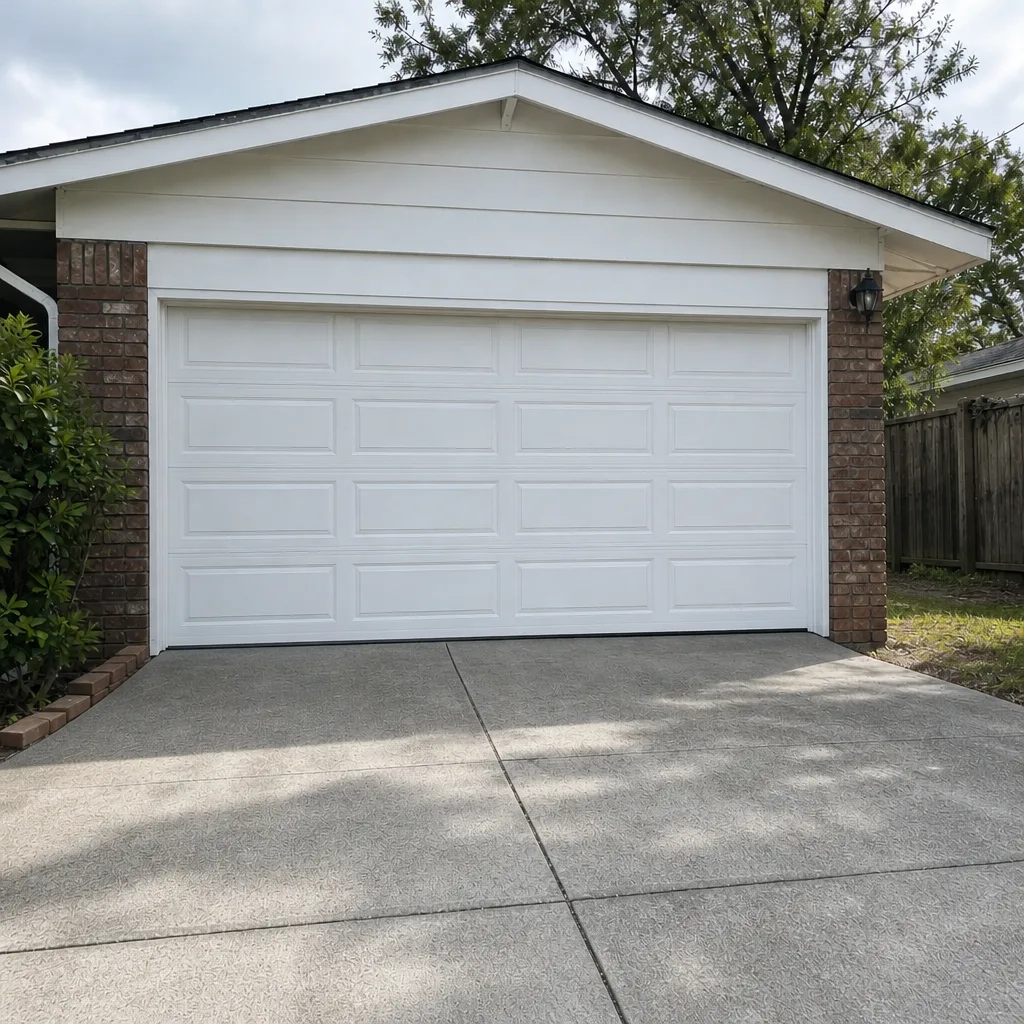
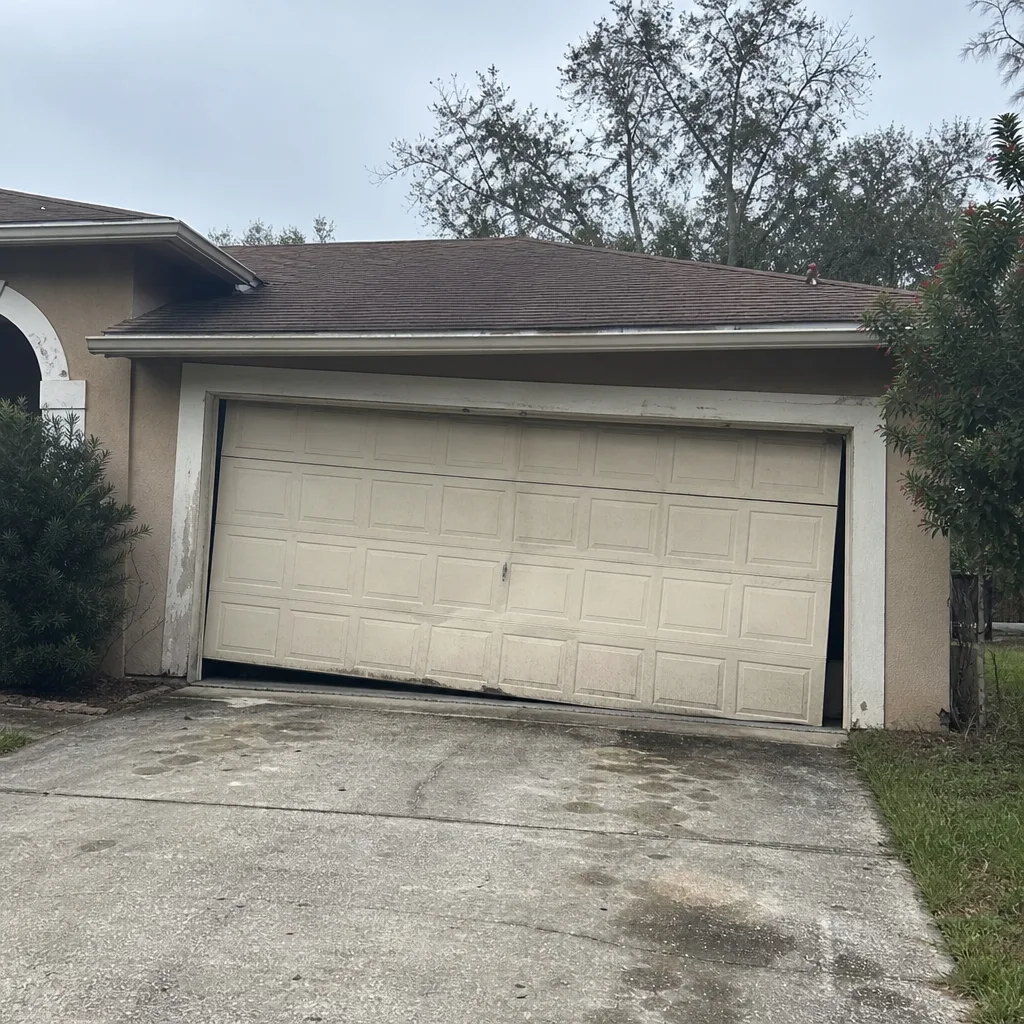
See the difference
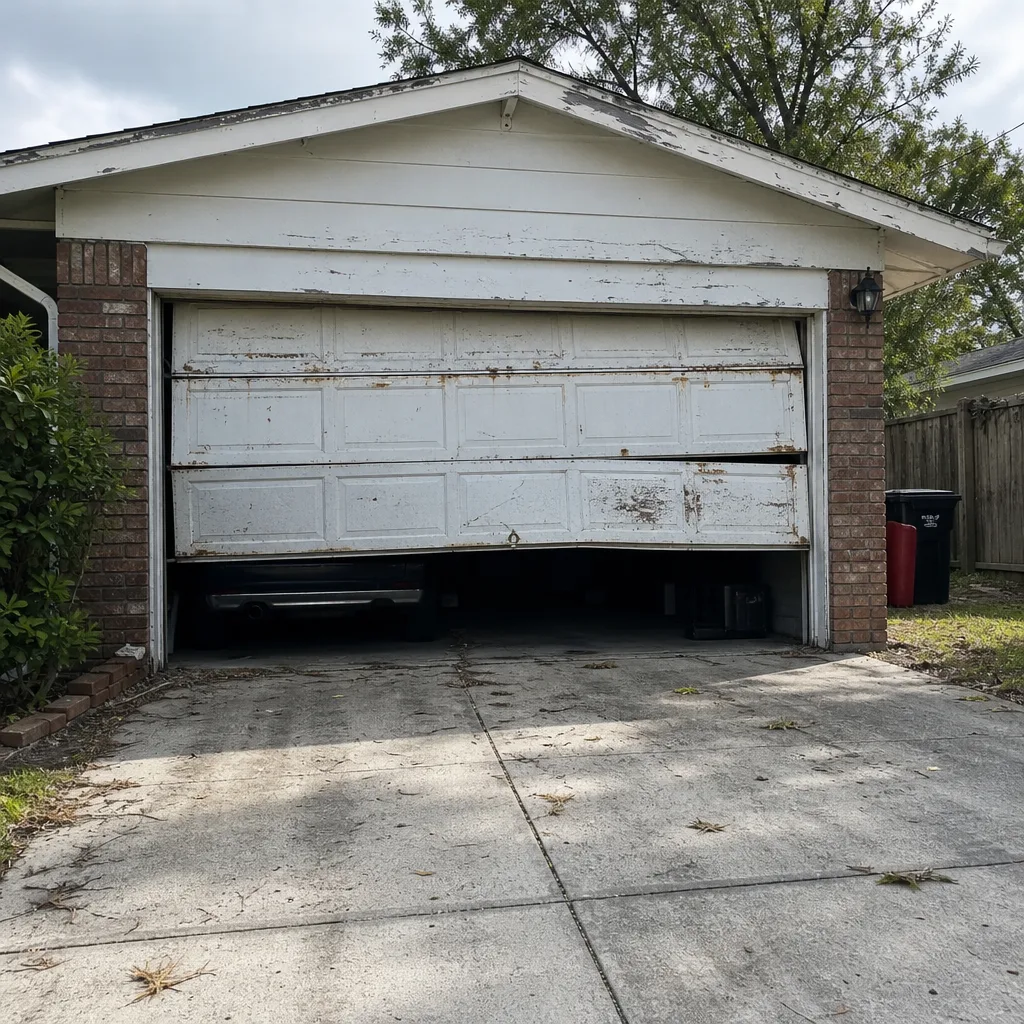 Before
 After
 Before
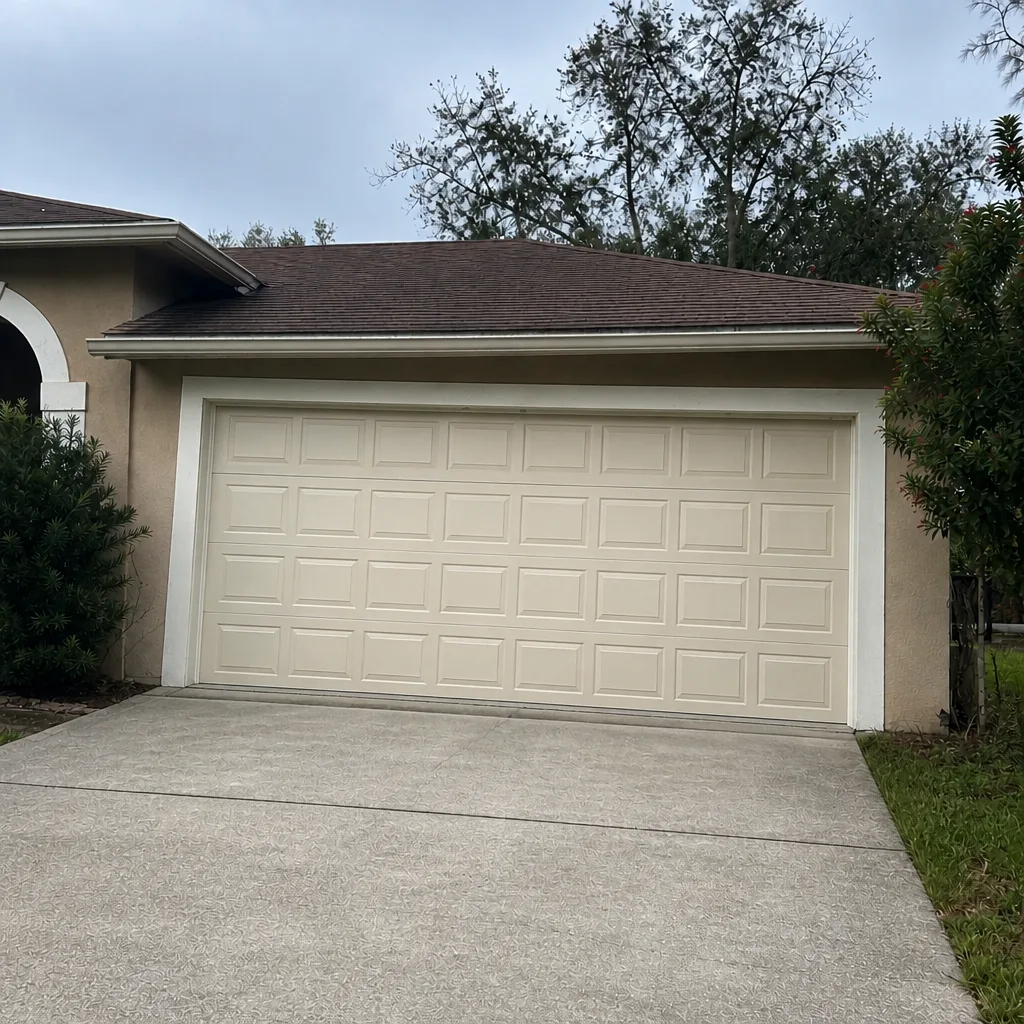 After
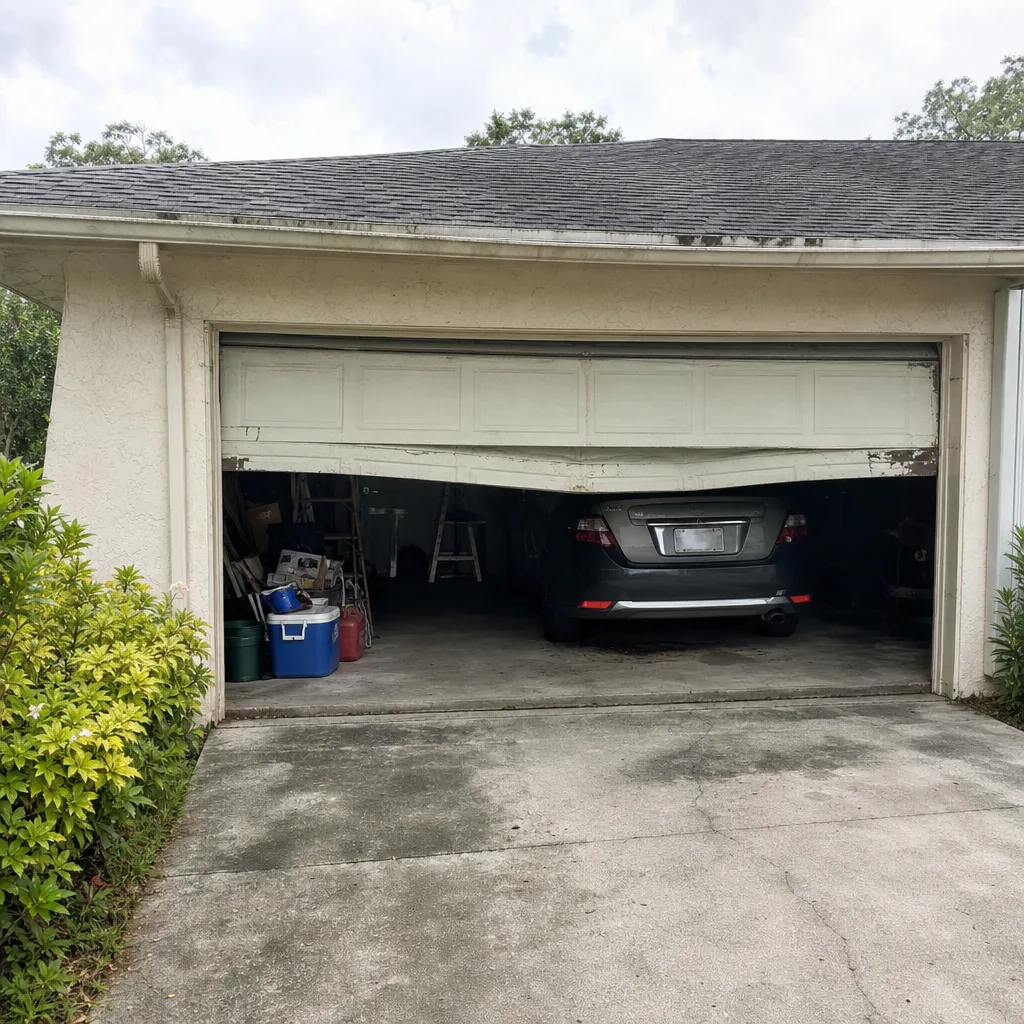 Before
 After
When to Call a Professional
A garage door replacement involves rated hardware, tight tolerances, and a permit process that depends on the submittal being right the first time. The scenarios that call for a professional are the ones where a mistake costs more to fix than to prevent. That includes any job where the opening is changing, any door on a home with a wind-load requirement, any install where the HOA has conditions, and every spring or torsion job. Spring repair is the most hazardous repair in the trade, and it’s not something to attempt with clamps and a ladder. Riverview Garage Door Repair Co offers free estimates in Riverview; call (866) 521-4006 and we’ll walk through the submittal, the door spec, and the HOA side together.
Frequently Asked Questions
Often no, sometimes yes. A like-for-like replacement with the same size, anchoring, and wind-load rating may not require a permit, but a change to the opening, header, tracks, or design pressure usually does. Confirm with Hillsborough County’s building department before the work starts, since the final call is theirs. Call (866) 521-4006 for a free estimate and a straight answer on your specific door.
Section 1609 sets the wind-load requirements for structures, and it’s the section that determines the design pressure your garage door has to meet in Riverview’s wind zone. The door has to be rated for that pressure and documented with a Florida product approval. If your door has no rating and no label, that’s worth sorting out before you install a replacement.
In Florida, homeowners are generally allowed to pull permits for work on their own primary residence, but the record then rests on you. You’d be responsible for scheduling the inspection, meeting the inspector, and correcting any findings. Having the contractor on the permit is usually cleaner, especially for a full new-door installation. Call (866) 521-4006 if you’re not sure which route fits your job.
HOA approval comes first in most Riverview subdivisions. The county submittal describes the door, so if the HOA later rejects the color or panel style, you’ve pulled a permit for a door you can’t install. Get the HOA approval in writing, then pull the county permit if it’s required. If your community has a different sequence, the county building department can tell you what they need.
The inspector checks that the installed door matches the approved submittal, that the product approval label matches the permit, that the anchoring and reinforcement are installed as specified, and that the door operates safely. It’s a visual review of documentation and installation, not a wind test. Preparing the paperwork and clearing the garage bay beforehand avoids most corrections. Call (866) 521-4006 for a free estimate if you want the door checked mechanically before the inspection.
Skipping a required permit leaves the work undocumented, which can create questions at resale and may affect how your insurer views the door. It doesn’t automatically mean a fine, but it does mean you’re the party without a paper trail. Getting the permit handled up front, or confirming one isn’t required, is the cleaner path. Call (866) 521-4006 if you want help figuring out where your job falls.
The Bottom Line
Riverview garage door replacements are not complicated, but the paperwork has to match the door. Confirm with Hillsborough County whether your job crosses the permit threshold, line up HOA approval before you order, and make sure the door you install carries a product approval matching the design pressure your home needs under Section 1609. Keep the closed permit, the product approval, and the HOA letter together, because that packet answers the resale question fast. If you’d rather not sort through the code and the submittal alone, that’s what we’re here for. One call, full service, back up and running.
Ready to sort out the permit and the door together? Riverview Garage Door Repair Co offers free estimates in Riverview. Call (866) 521-4006 and we’ll walk through the door spec, the wind-load documentation, and the HOA side before anything is ordered.
Written by the team at Riverview Garage Door Repair Co.