Last updated November 21, 2026
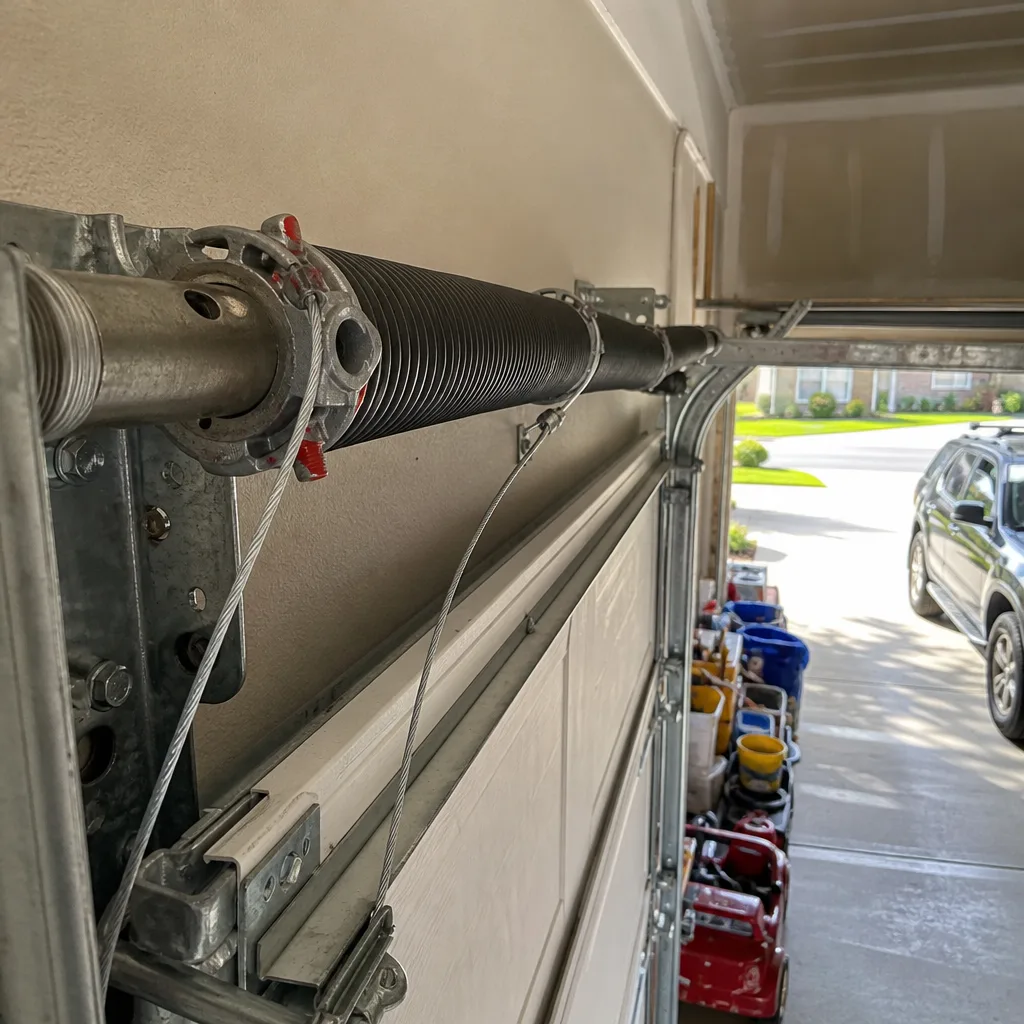
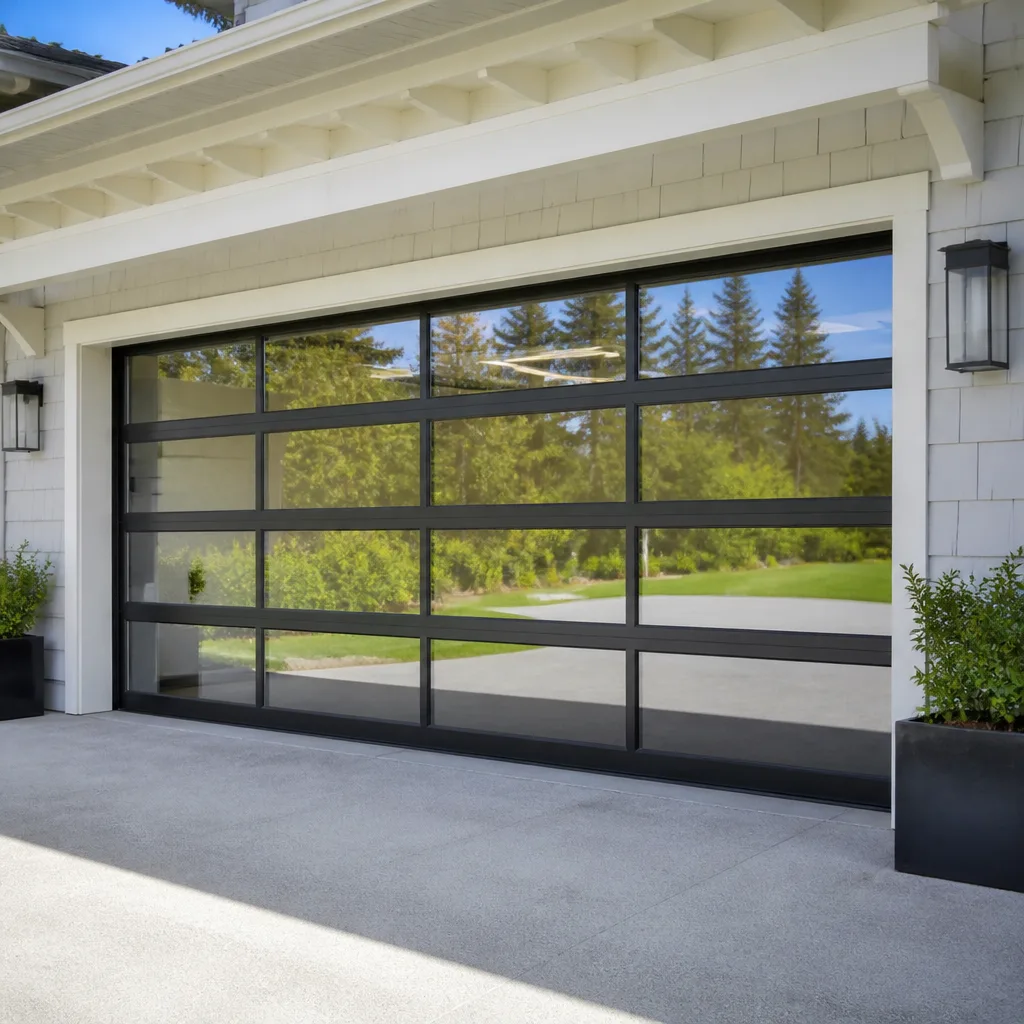 Full-view glass
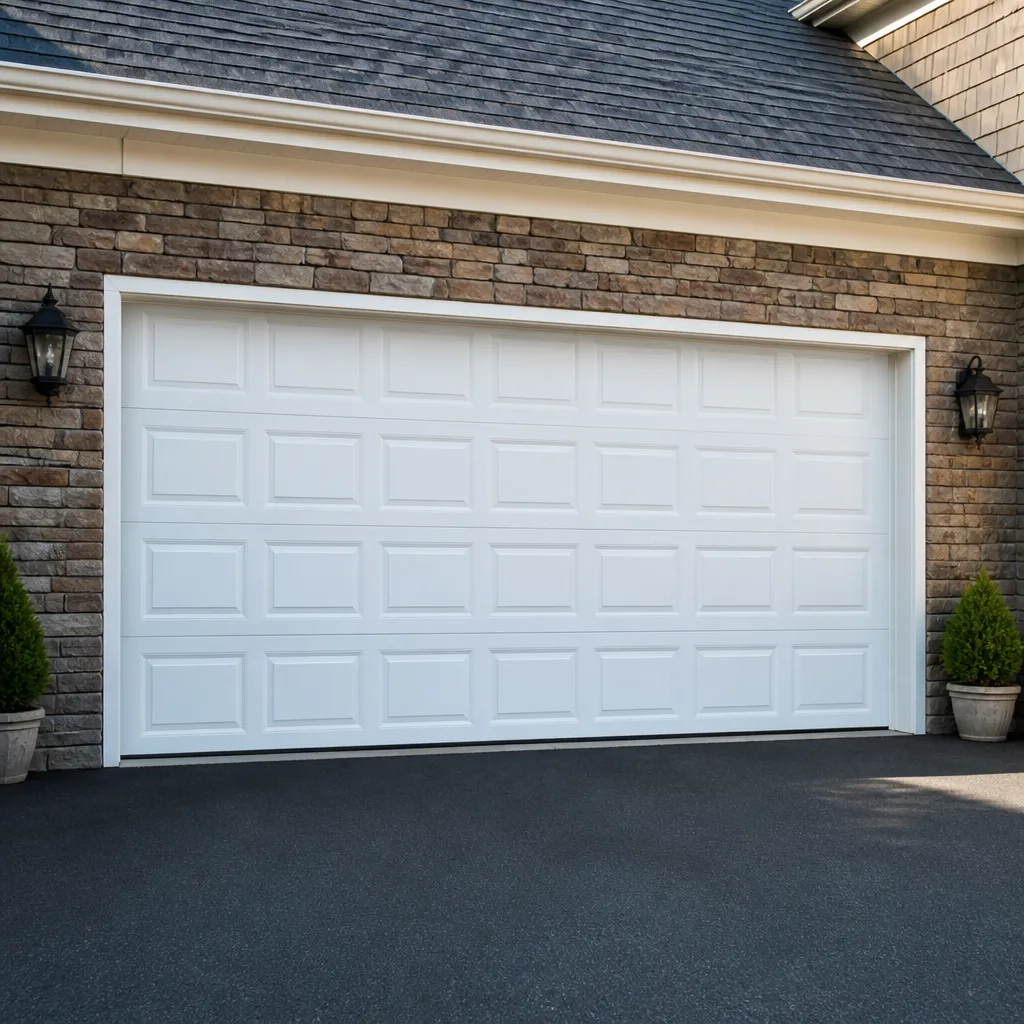 Raised-panel steel
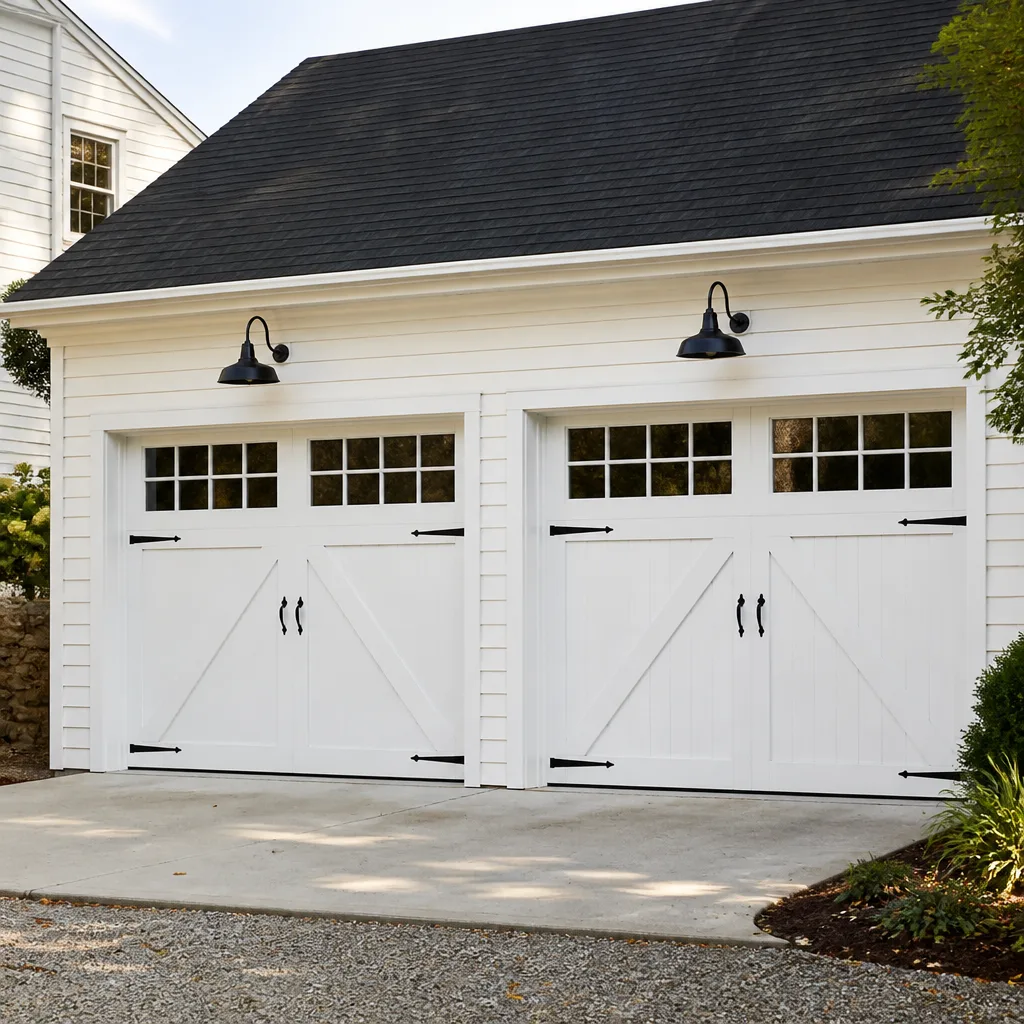 Carriage house
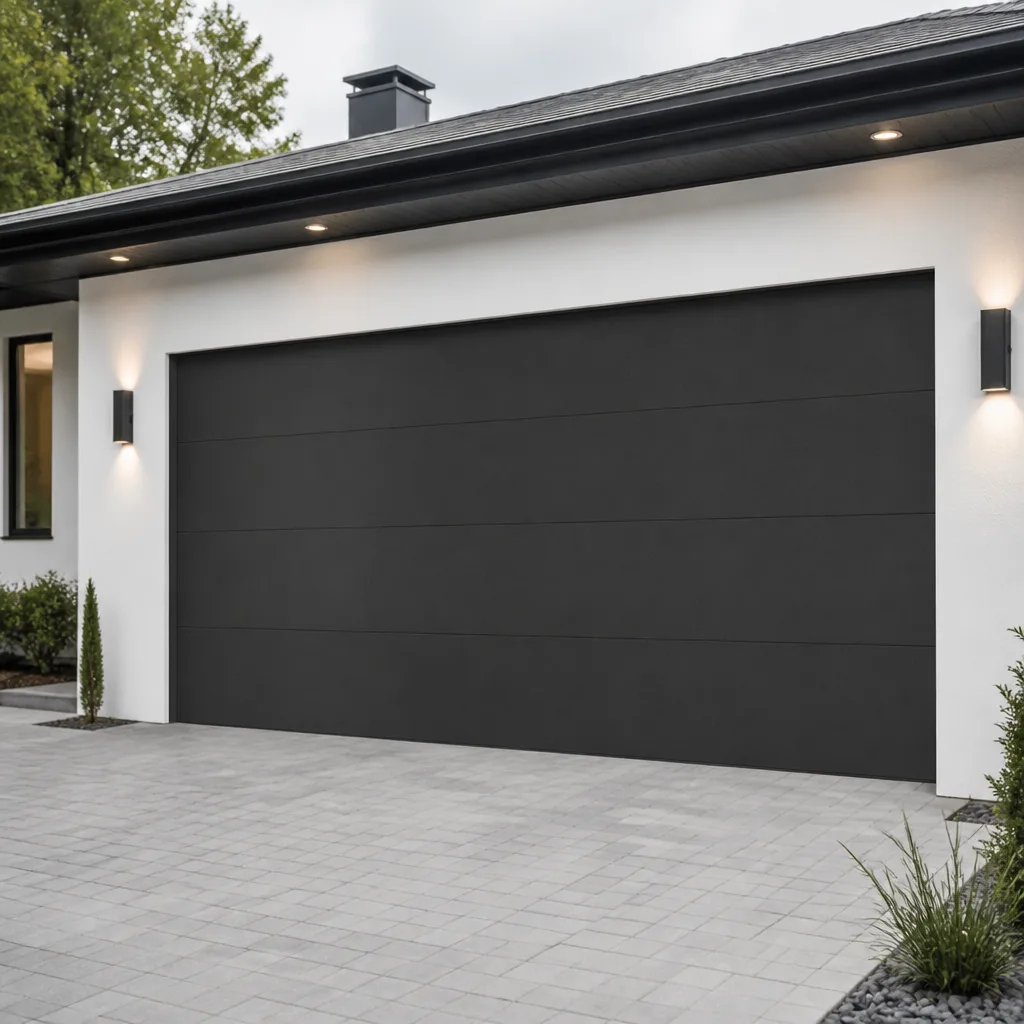 Modern flush
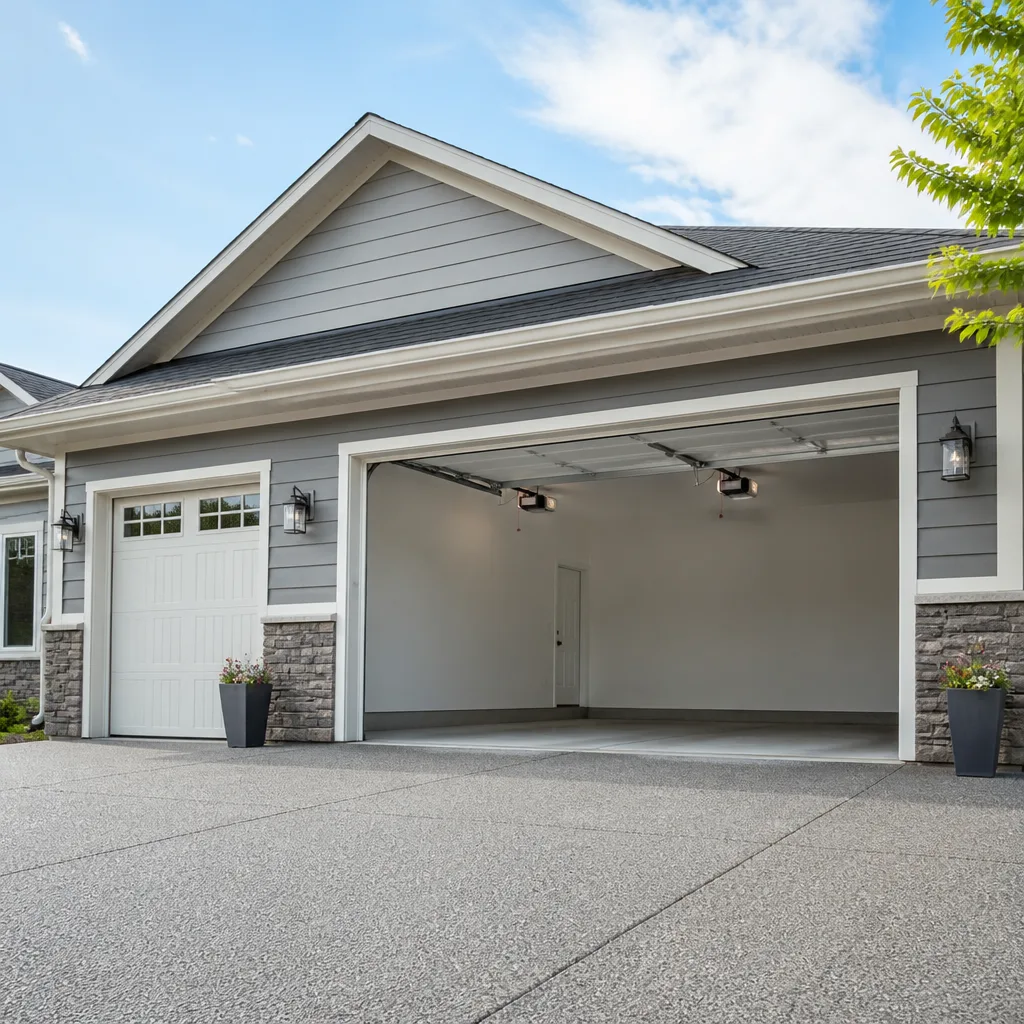 LiftMaster openers
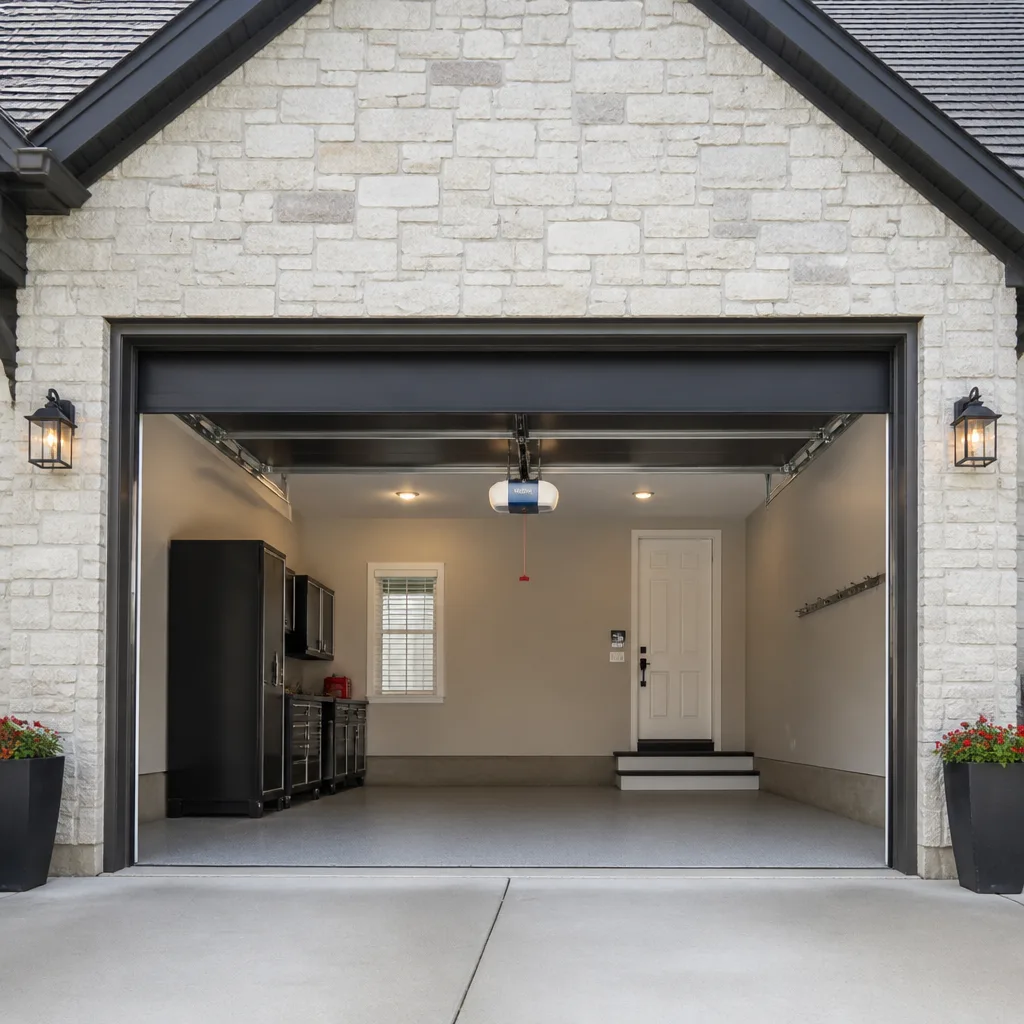 Chamberlain openers
Full 25-point door and opener safety check with every visit - springs, cables, rollers, tracks, and your LiftMaster or Chamberlain opener included
You get a price before we start. It does not change when the pro arrives.
Get your free estimateGarage Door Repair Troubleshooting in Riverview: Common Problems and How to Fix Them
A garage door that “just stopped working” almost never fails at random. The symptom you notice first, whether the door won’t budge, hangs crooked, reverses halfway down, or grinds loud enough to hear from the kitchen, maps to one of five root causes. The expensive part isn’t the repair itself. It’s the misdiagnosis. A homeowner who assumes the opener is dead and keeps pressing the button while a snapped spring leaves the door dead weight can bend a track or burn out the motor, turning a spring replacement into a much bigger job. This guide is a symptom-to-cause map for Riverview homeowners, so you can tell the safe checks from the ones that need a technician before you touch anything.
Quick Answer
Most garage door failures in Riverview trace back to five mechanical categories: broken springs, misaligned or bent tracks, worn or off-track cables and rollers, a failing opener or remote, and blocked or faulty safety sensors. You can safely inspect three of these yourself, the sensors, the manual release cord, and the remote batteries. Anything involving springs, cables, bottom brackets, the drum, or the trolley carriage needs a trained technician, because those parts are under high tension and can cause serious injury.
Styles & brands we work with
- Raised-panel steel
- Carriage house
- Modern flush
- Full-view glass
- LiftMaster openers
- Chamberlain openers
Table of Contents
- The Symptom-to-Cause Decision Tree
- Door Won’t Move at All: What to Check First
- Door Opens Crooked or Comes Off the Tracks
- Opens Fine but Won’t Close or Keeps Reversing
- Loud, Grinding, or Squealing Door
- Remote or Opener Fails but the Wall Switch Works
- Why Humidity and Storm Season Hit Riverview Doors Harder
- How to Describe the Problem When You Call
The Symptom-to-Cause Decision Tree
Start with what the door actually does, not what you think broke. In our experience, homeowners jump to “the opener is dead” within seconds of the door not moving, and that’s wrong more often than it’s right. Read down this list, find the row that matches your symptom, and you’ll know whether you’re looking at a safe check or a call.
- Door won’t move at all, no sound from the opener. Could be a tripped breaker, a dead remote battery, or a safety sensor obstruction. All safe to check yourself.
- Door won’t move, but you hear the motor humming. Likely a broken spring, a snapped cable, or a disengaged trolley. A spring or cable failure is a professional repair.
- Door moves crooked, one side lags. Usually a frayed cable, a worn roller, or a bent track. Don’t force it; a crooked door under power can jump the track entirely.
- Door opens but won’t close, or reverses right after starting down. Nearly always the safety sensors. This is the most common self-fix in the whole list.
- Door is loud, grinding, or squealing. Dry rollers, worn hinges, or a track that’s bent. Routine lubrication and alignment territory.
- Wall switch works but the remote doesn’t. Remote battery, remote programming, or a bad receiver logic board.
That mapping holds for almost every failure we see across Riverview, whether the door is a newer belt-driven Clopay or a decades-old chain unit. Pinpoint the row before anything else. It’s the single fastest way to avoid paying for the wrong fix.
Door Won’t Move at All: What to Check First
The first question is whether the motor is even trying. A completely silent door usually means the opener has no power reaching it, while a door that hums but won’t lift means the opener is fine and a mechanical part has failed. Those are very different problems, and they cost very different amounts to fix.
If the opener is silent, check these three things:
- The wall switch. Does the light on the opener come on when you press it? If nothing happens, it’s an electrical issue.
- The circuit breaker. Openers share circuits more often than people expect, and a tripped breaker takes out the whole thing.
- The safety sensors. A misaligned sensor can stop the opener from responding at all, not just from closing.
If the motor hums but the door doesn’t move, stop pressing the button. That sound usually means the opener is straining against a load it can’t lift, which is exactly what a snapped torsion or extension spring does. The door becomes far heavier than the motor can handle. Keep at it and you’ll burn out the motor or send the door crashing down. A broken spring is one of the most dangerous garage door repairs there is, and it’s not something to test or work around yourself. If you suspect a spring, call for garage door spring repair rather than cycling the door again.
Door Opens Crooked or Comes Off the Tracks
A crooked door is nearly always a cable or roller problem, and it’s the failure most likely to get worse fast. When one side catches while the other rises, the door is fighting the track. The wrong move is to keep hitting the button and hope it corrects itself. It rarely does, and a door that finishes coming off the track can come down hard.
The crooked door usually comes from one of these:
- A frayed or snapped lift cable on one side.
- A roller out of its track, or a track bent from impact.
- A drum that’s let cable slip, a job that belongs to a technician.
- Loose mounting hardware where the track meets the frame.
In Riverview, we see this most on older wooden and steel doors whose tracks have shifted after years of heat expansion and humidity. The metal moves a fraction at a time, the gaps widen, and eventually a roller pops free on a hot afternoon. If the door is already off the track, don’t force it back by hand. A door hanging out of its track is unstable, and the tension on the cables can release suddenly. Pull the manual release cord if you can reach it safely, then call for garage door repair so the door gets re-railed and realigned properly.
Opens Fine but Won’t Close or Keeps Reversing
A door that reverses within a foot of the ground is almost always telling you the safety sensors have lost their line of sight. That’s the one problem on this page most homeowners can fix in a minute and, in our experience, it’s the one people overthink most. The opener is doing exactly what it’s built to do: refusing to close on something it can’t see past.
Run this sequence:
- Look at the two sensor eyes near the floor on either side of the door. Each should have a small indicator light on.
- If one is dark or flashing, wipe the lens with a soft cloth. Florida humidity leaves a film that’s easy to miss.
- Check for anything blocking the beam: a broom handle, a coiled hose, a wheelbarrow, bags of yard waste.
- Nudge each sensor until the lights come on steady. They need to face each other squarely.
- Try the door once. If it closes, you’re done.
If the lights stay off no matter how you adjust them, the sensor or the wiring behind it has failed. That’s a small garage door opener repair job, but it should get done. Never block, tape over, or rewire a sensor to force the door closed. That override is exactly how doors come down on cars, pets, and people.
Loud, Grinding, or Squealing Door
Noise is the symptom that gives you the most warning before a breakdown, and Riverview’s summer humidity has a lot to do with it. A door that squeals on the way up and grinds on the way down is usually negotiating with dry rollers, worn hinges, and a track that’s picked up grime. None of that means the door is about to fail, but it does mean parts are wearing faster than they should.
What different sounds tend to mean:
- Squealing or high-pitched squeak: dry metal rollers or hinges. Lubrication is the fix, and it’s safe to do yourself.
- Grinding or rumbling: a track that’s dirty or slightly bent, or a roller with a worn bearing.
- Loud bang, followed by a door that won’t lift: a snapped spring. Stop operating the door and call a professional.
- Popping as the door travels: cable slap or a failing drum, which needs a technician.
One practical note: don’t spray lubricant on the tracks. The tracks want to stay clean and dry, and grease in the track channel just holds grit and accelerates roller wear. Lubricate the rollers, hinges, and the springs themselves, and wipe the track clean with a dry cloth. If the noise doesn’t settle after that, the component underneath has worn out.
Remote or Opener Fails but the Wall Switch Works
When the wall-mounted switch opens the door but the remote does nothing, the opener itself is fine. The problem lives in the remote, the receiver, or the signal. Start with the easiest thing: the remote battery, which lasts a couple of years at most and dies gradually rather than all at once.
If a fresh battery doesn’t fix it, work through these:
- Re-pair the remote. Every opener brand has its own pairing routine, and a garage door that just “forgot” its remotes is often a receiver that got reset. If your unit is Genie, Chamberlain, or LiftMaster, we know the pairing sequences for each.
- Check for radio interference. LED bulbs and old fluorescent fixtures near the opener can drown out the remote signal. Try a different bulb before you assume the opener died.
- Look at the logic board. A failed receiver is a component swap, not a new opener.
Here’s where Florida’s afternoon thunderstorms show up. A power surge through the outlet feeding the opener can reset its programming or wipe the memory outright, and the first thing you notice is that no remote works anymore. If the door worked before a storm and stopped after, re-pairing is worth trying before you replace anything. With a Genie or a Craftsman unit, we can tell you in a minute whether the programming was lost or the receiver failed for good.
Why Humidity and Storm Season Hit Riverview Doors Harder
The same failures happen everywhere, but a few of them show up far more often in Riverview because of what the local weather does to metal and electronics. It’s worth knowing which problems are just part of living here so you can watch for them.
Humidity and heat. The Riverview area runs humid most of the year, and that humidity stresses wooden and steel doors in ways northern climates don’t. Steel panels show rust at the seams and hinge points first. Wood doors can swell just enough to bind against the jamb. Metal tracks expand in the heat and contract as afternoon air cools, and over a season those small movements can tweak an alignment out of square. A door that worked fine last spring and now catches on the top panel is often just a humidity-and-heat alignment issue.
Cable corrosion. The lift cables on your door are steel under constant tension, and the humid air here gradually roughens and weakens them. That’s why a cable failure often shows no warning until it comes apart. If you see strands fraying on either side of the drum, don’t run the door. A cable is a technician part, not a DIY one.
Afternoon storms and surges. Riverview gets regular storm-season power flickers. Each one is a small shock to an opener’s circuit board, and repeated surges are a common reason older units start losing their programming or acting erratically. A surge protector on the opener outlet is a cheap habit. And if your opener is one of the smart, wi-fi-connected models, an outage can knock it off the network in a way that looks like a hardware failure but is really just a reboot.
Doors built locally are built for this. Brands like Clopay and Amarr use finishes and hardware meant for humid climates, but even those need attention at the points where metal meets moisture.
What You Can Check Safely and What You Can’t
Half of what feels urgent is genuinely something you can handle, and the other half can hurt you. Here’s the line, clear and simple, so you know which side of it you’re on. When in doubt, stay on the safe side and call.
Safe to inspect yourself:
- Safety sensors: cleaning, adjusting alignment, and clearing obstructions are all safe.
- The manual release cord: you can pull it to free the door from the opener, but only when the door is fully closed and the springs are intact.
- Remote batteries and pairing: no risk, and it fixes a surprising share of “dead door” calls.
Leave to a technician:
- Springs. Torsion and extension springs are under extreme tension. Adjusting, replacing, or even touching them without the right tools can cause serious injury.
- Cables and drums. Cutting or releasing a loaded cable is dangerous, and a slipped drum can whip a cable free.
- Bottom brackets. These hold the cable under tension and can release with force.
- The trolley carriage and opener hardware. Replacing the carriage or adjusting opener force limits needs a proper diagnosis.
- Re-creasing or balancing heavy doors. Balancing a door is a two-person, professional adjustment.
One more piece of context: when a door’s going back into service after a break, the difference between a one-hour repair and a full-day one usually comes down to whether the wrong part got forced first.
When a Quick Fix Makes It Worse
Impatience is the most expensive tool in the garage. The two “quick fixes” that turn a small repair into a big one are forcing a door back onto its track by hand and overriding the safety sensors. Both feel like progress. Both make the eventual repair cost more.
Forcing an off-track door. When a door has jumped the track, the cables and brackets are already in a stressed position. Pushing or prying the door back into place can bend the track, snap a cable, or collapse a roller assembly, and it can also set the door up to fall the next time the opener engages. A door that’s been forced back is rarely square, so the opener then strains against a misaligned load and burns itself out. You’ve now got a track repair, a possible cable replacement, and an opener on top of the original problem.
Overriding the safety sensors. The sensors exist because the door can do real damage to whatever is under it. Taping over a sensor, tying it back, or disconnecting it forces the door to close blind. It also hides the actual failure, so the next time the door misbehaves, the sensor is off the list of suspects when it should be at the top.
Cycling a door with a broken spring. If the spring is gone, every press of the button is the motor dragging dead weight. A garage door is balanced by its springs; without them the motor lifts far more weight than it’s built for. That’s how a spring replacement turns into a spring plus a new opener. Stop using the door and call.
The thread through all of this: the cheapest fix is the correct diagnosis on the first try.
How to Describe the Problem When You Call
The faster a technician can picture what’s wrong, the faster the visit goes, and the observations you give on the phone do a lot of that work. You don’t need to know the part names. You need to describe what the door does, what it sounds like, and when it started.
Have these details ready when you call:
- The exact symptom. “Doesn’t move at all” is different from “moves but crooked,” and “opens but reverses” is different again.
- Where in the travel cycle it fails. Does it stick at the very bottom, halfway up, or at the top? That points straight at the failing part.
- The noise type. Bang, hum, grind, squeal, or pop. Each points to a different category.
- Whether the motor runs. Does the opener hum, or is it silent?
- The door’s material and rough age in years. Steel, wood, or aluminum, and roughly how old the door and opener are.
- The opener brand and model. If it’s a LiftMaster, Chamberlain, or Genie unit, tell us up front so we can match the right technician and parts to the call. Same for the door itself: Clopay, Wayne Dalton, and the rest behave a little differently.
- Whether anything changed right before it stopped. A power flicker, a storm, a car nudge on the panel, or a fresh coat of paint all matter.
Get those details to us and the technician can often arrive knowing what part is most likely at fault. That shortens the diagnostic window. Our technicians work on all eight major garage door and opener brands, including LiftMaster, Chamberlain, Genie, Clopay, Amarr, Wayne Dalton, Craftsman, and Raynor, so the hardware on your door is familiar before the visit starts. And the price is quoted and agreed before any work begins, so there are no surprises when the job is done. Riverview Garage Door Repair Co offers emergency service for doors that fail outside the usual schedule, and we can work with your insurer on larger repairs.
See the difference
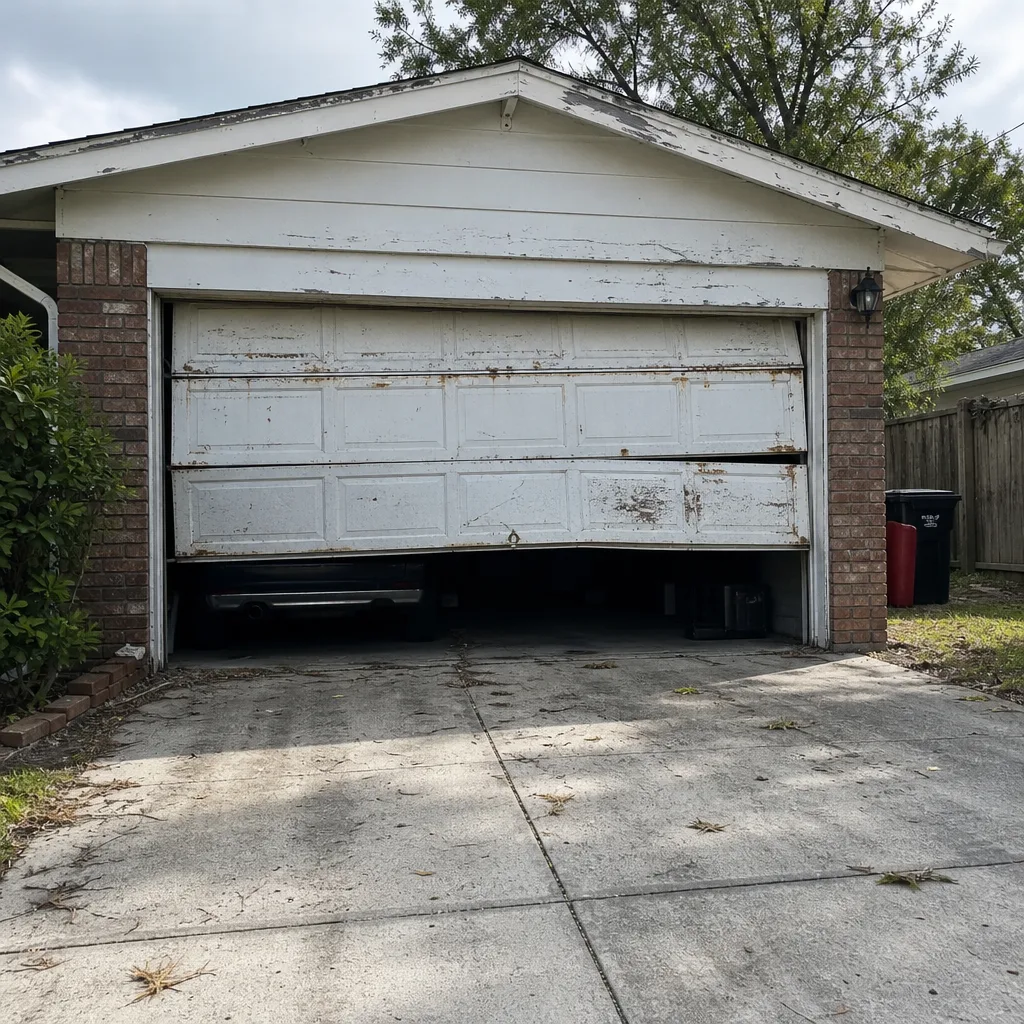 Before
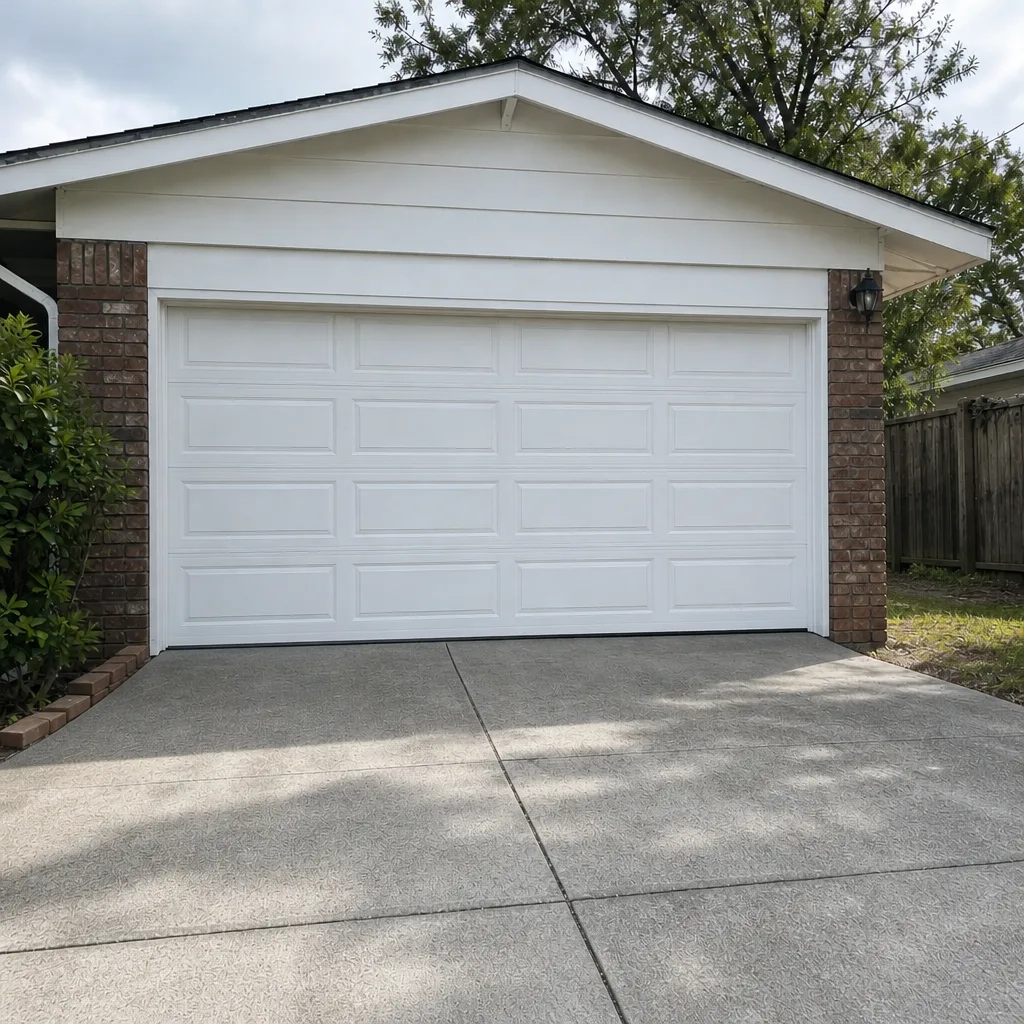 After
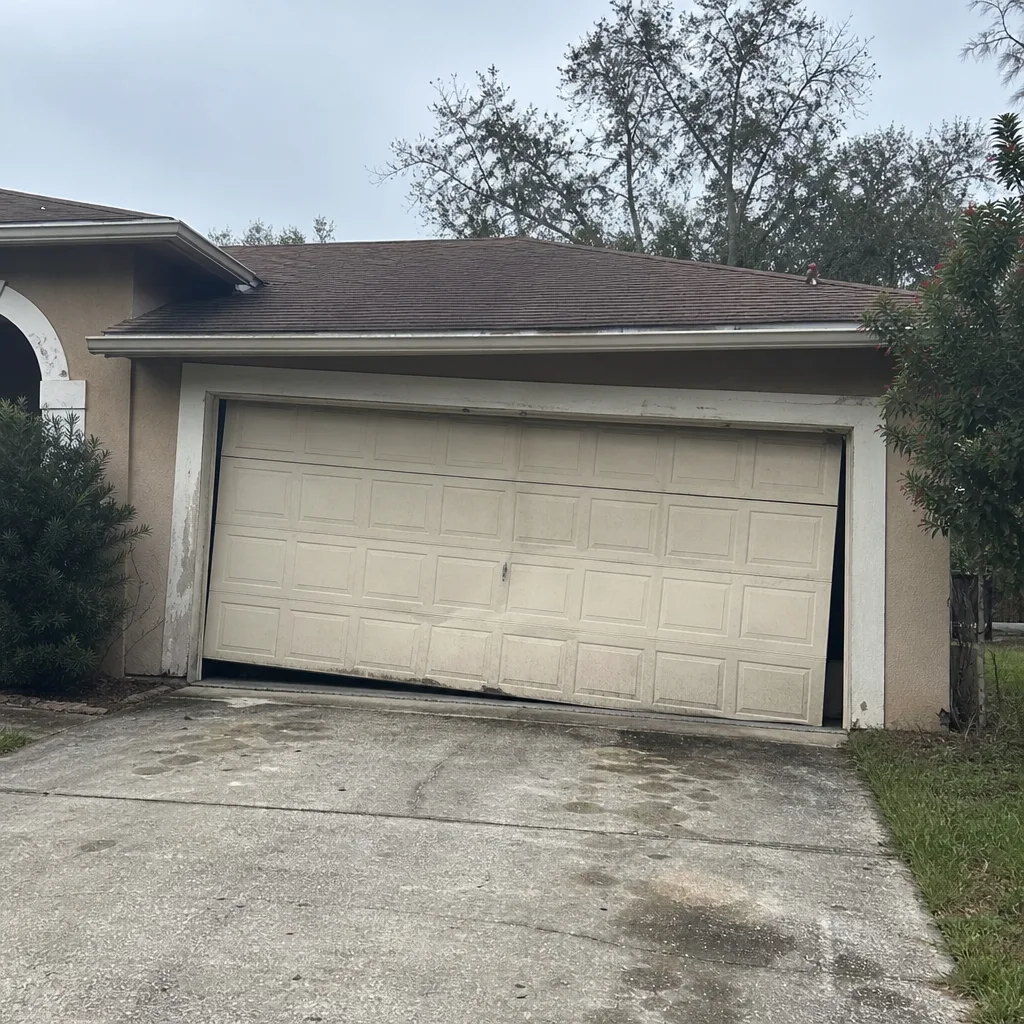 Before
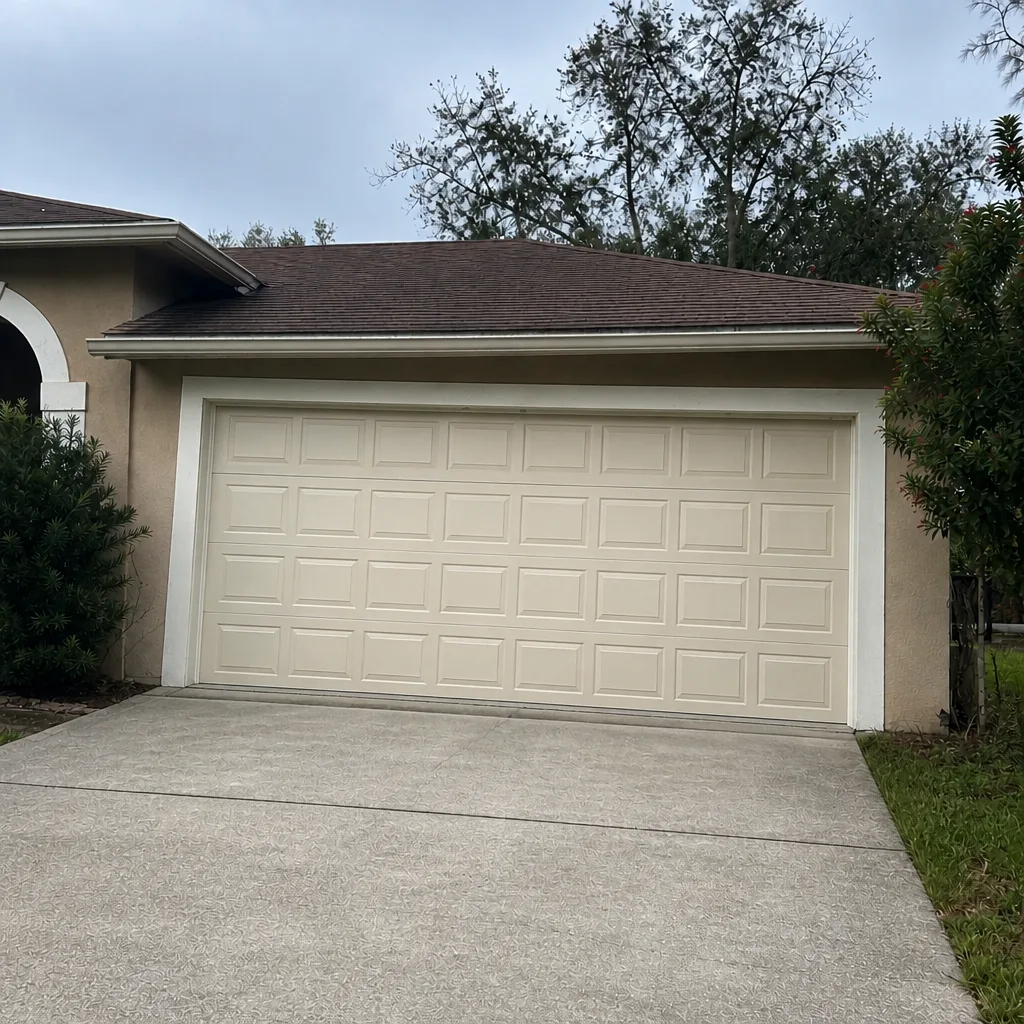 After
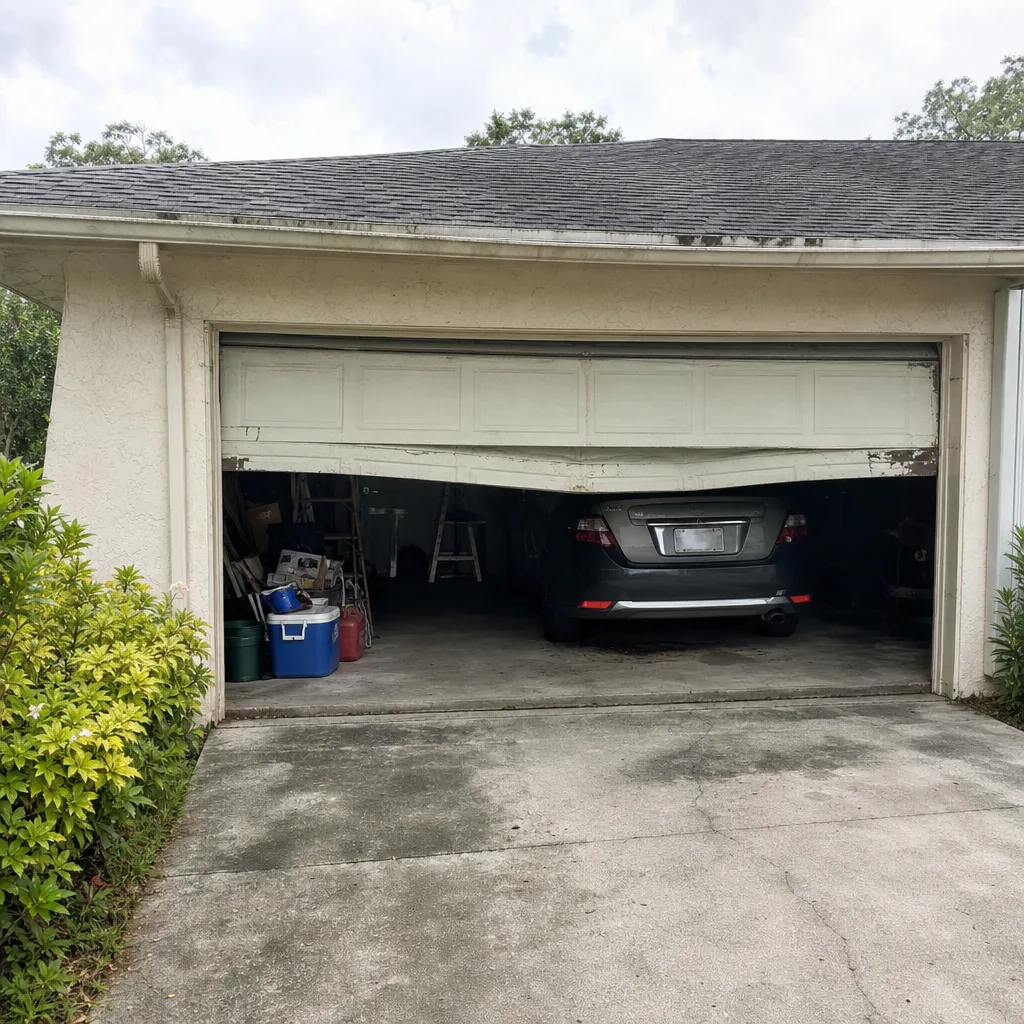 Before
 After
Common Mistakes to Avoid
- Pressing the opener button repeatedly on a door that won’t lift. If the spring or cable has failed, every press strains the motor and can burn it out. Stop and check whether the motor is even running before you touch the button again.
- Greasing the tracks. Lubricant in the track channel grabs sand and grit, which wears rollers faster. Wipe the tracks clean and dry; lubricate the moving parts, not the rails.
- Ignoring frayed cables. In Riverview’s humid air, steel cables corrode quietly and show only a few frayed strands before they fail. A cable with visible wear should be replaced, not run until it snaps.
- Overriding the safety sensors. Blocking or taping the sensor eyes forces the door to close blind and hides the real problem. Fix the sensors instead, and never force the door past them.
- Forcing a door back onto the track by hand. A door that’s jumped the track is under unstable tension. Prying it back can bend the track, snap a cable, or drop the door. Pull the release cord and call.
- Assuming a power surge killed the opener. Storm-season surges often just reset the programming or the wi-fi connection. Try re-pairing before you price a replacement.
- Skipping the remote battery check. It sounds too simple, but a dead remote battery is one of the most common reasons a door seems entirely dead. New battery, checked first.
When to Call a Professional
Call a professional the moment anything involves a spring, a cable, the bottom brackets, the drum, or a door that’s come off its track. Those parts are under high tension, and forcing them or testing them can cause serious injury. Call too if the motor hums but the door won’t lift, if a door is hanging crooked or unstable, or if the opener’s lights blink in a pattern you’ve never seen before. If your door is noisy and you can’t find the source, or the safety sensors won’t stay aligned, a technician can find the cause in minutes. Riverview Garage Door Repair Co offers free estimates in Riverview, so you can call (866) 521-4006 and get a clear diagnosis and a written price before anything is touched. Our technicians have up to 8 years of experience handling exactly these repairs across every major brand.
Frequently Asked Questions
Most common garage door repairs in Riverview fall somewhere in the low hundreds and up, depending on the part and the door. A sensor or remote fix is usually a small job. A spring or cable replacement costs more because of the parts and the safety work involved. We give you a written estimate after we’ve looked at the door, and the price is agreed before any work starts, so the final invoice matches the quote. Call (866) 521-4006 for an exact quote; estimates are free.
Yes. Emergency garage door service is a core part of what we do in Riverview, not something we add on when it’s convenient. When a door won’t close or won’t open, that’s the kind of problem we’re set up to respond to. Call (866) 521-4006 and tell us the symptom, and we’ll book you in. Bookings outside the usual day are handled with early-morning or Sunday appointments when a door fails outside the regular schedule.
The written estimate sets the price. We look at the door, diagnose the fault, and give you a quote before any work begins. If the diagnosis turns up a second failed part, we tell you and get your agreement on the added cost before touching it. You won’t get an invoice that’s higher than the number you agreed to. Call (866) 521-4006 for a free estimate.
No, and we’d strongly advise against trying. Springs are under extreme tension, and the tools, technique, and safety precautions required aren’t things a homeowner should take on. Releasing or adjusting a loaded spring the wrong way can cause serious injury. Treat spring replacement as a professional repair, and never cycle a door whose spring has visibly broken. Call (866) 521-4006 and let a trained technician handle it.
A storm-season power flicker can reset the opener’s programming or knock a wi-fi-connected unit off its network, which makes it look broken. Re-pair your remotes and power-cycle the opener before assuming it failed. If it still won’t respond, the surge may have taken the receiver logic board, which we can diagnose and replace. Call (866) 521-4006 if re-pairing doesn’t fix it.
No. If the wall switch works, the opener is fine and the problem is in the remote, the receiver, or the signal. Start with the remote battery, then re-pair the remote, then check for radio interference from LED bulbs or old fixtures near the opener. If a fresh battery and re-pairing don’t fix it, the receiver likely needs attention. Call (866) 521-4006 and we’ll match the right fix to your brand.
The Bottom Line
Garage door problems aren’t mysterious once you know the map. The symptom you see points to one of five causes: springs, tracks, cables and rollers, the opener or remote, and the safety sensors. Three of those you can safely check yourself, and the sensor check alone resolves a large share of “won’t close” calls. The other two, anything involving a spring, a cable, the brackets, or a door off its track, is a professional repair, and forcing it is how a small fix becomes a big bill. In Riverview, watch for humidity-driven track misalignment and storm-surge resets on top of the usual wear. Call us when the door needs a technician, and tell us the symptom, the noise, and the brand. We work on the major brands, we quote before we start, and we get you back up and running.
Contact Us
If your door is stuck, crooked, noisy, or refusing to close, don’t force it. Visit Riverview Garage Door Repair Co or call (866) 521-4006 for a free estimate. We diagnose the problem, quote the price before any work starts, and get your door working again.
Written by the team at Riverview Garage Door Repair Co.