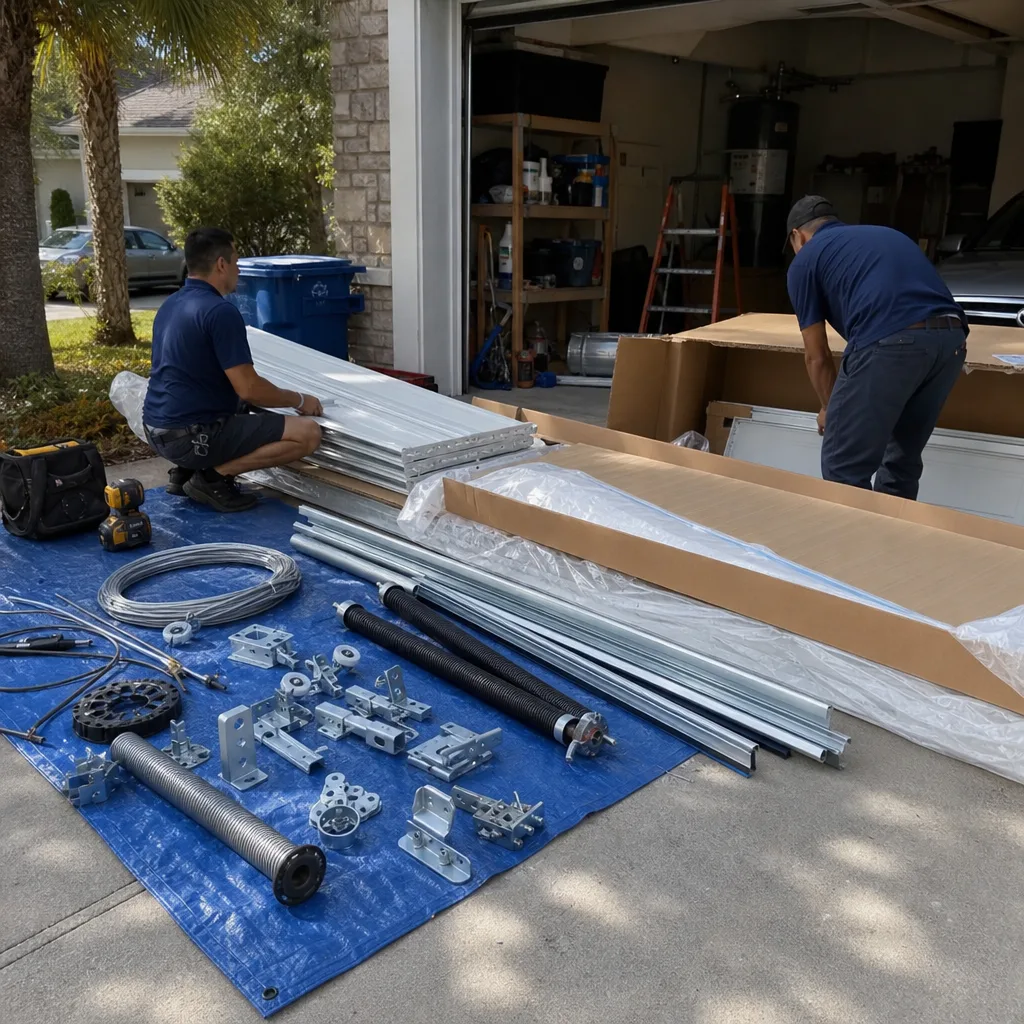
Last updated November 21, 2026
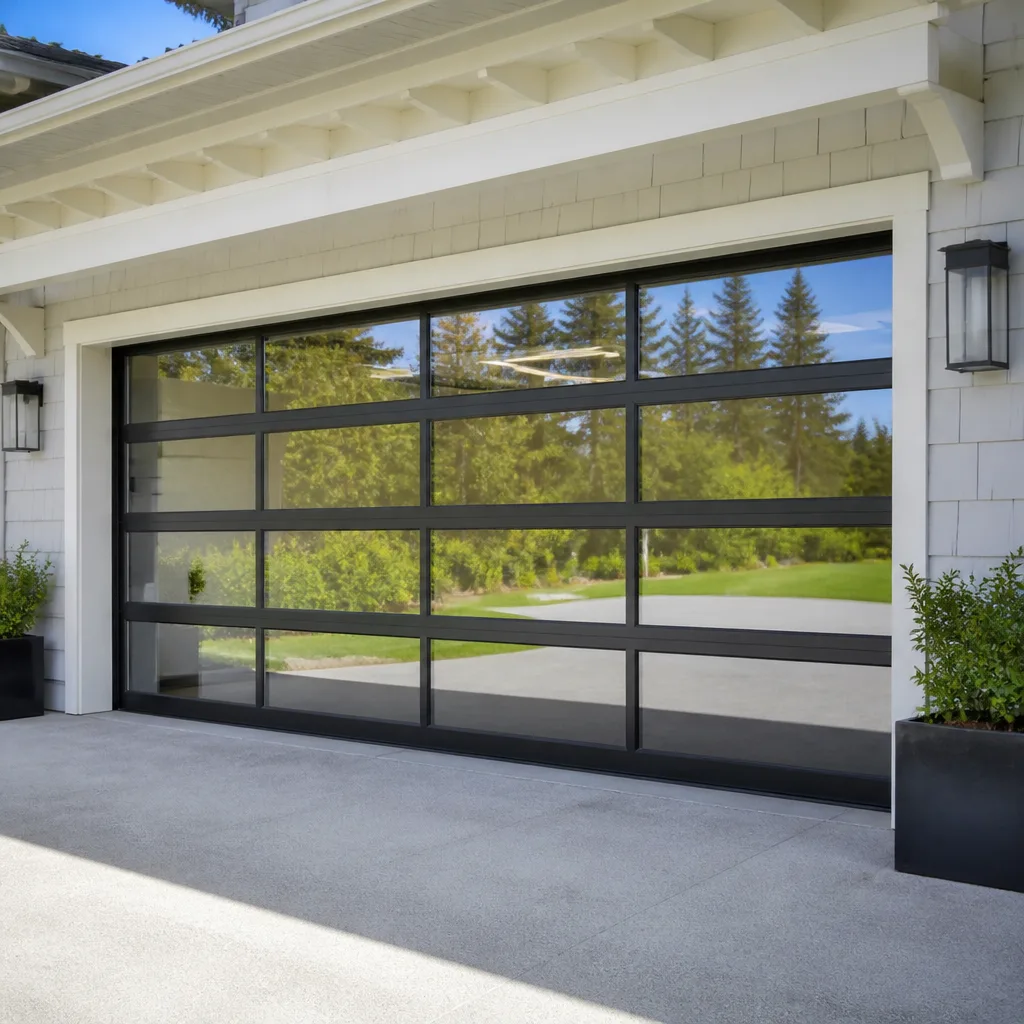 Full-view glass
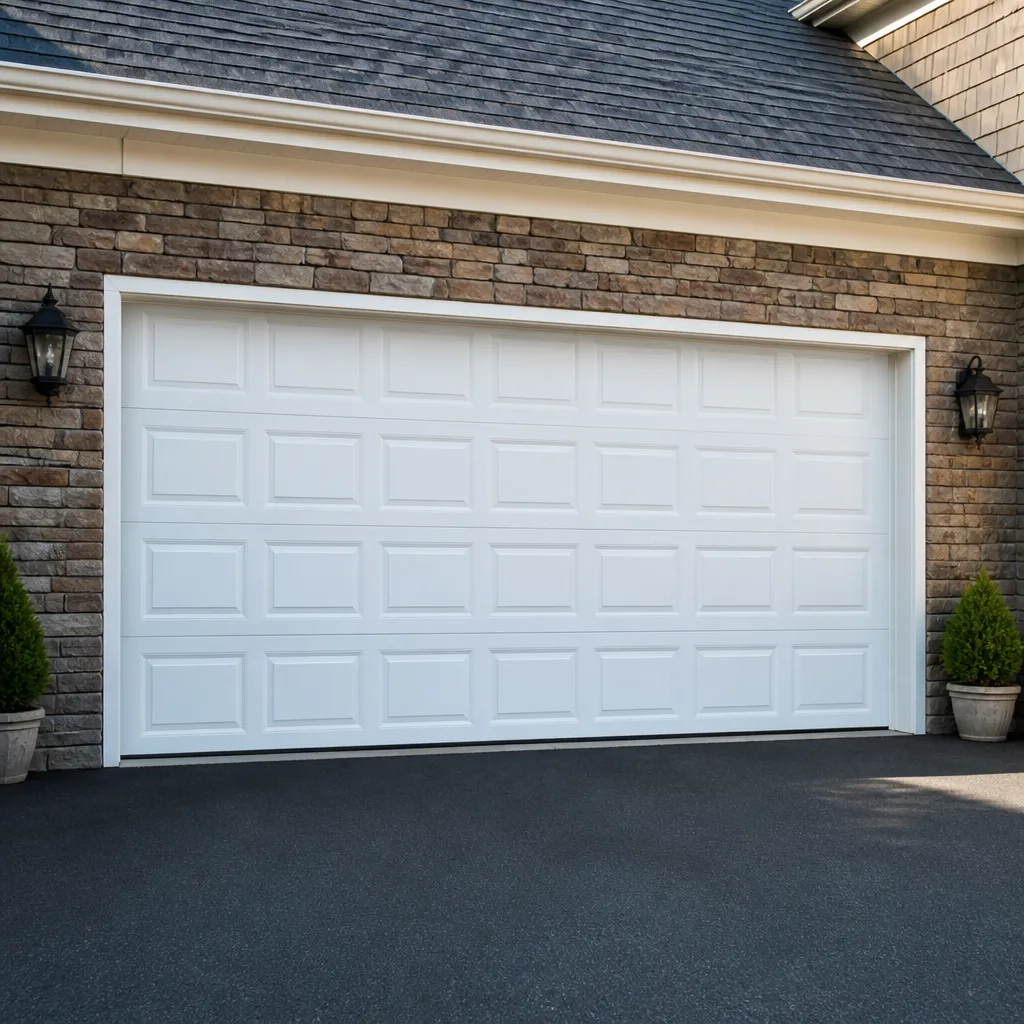 Raised-panel steel
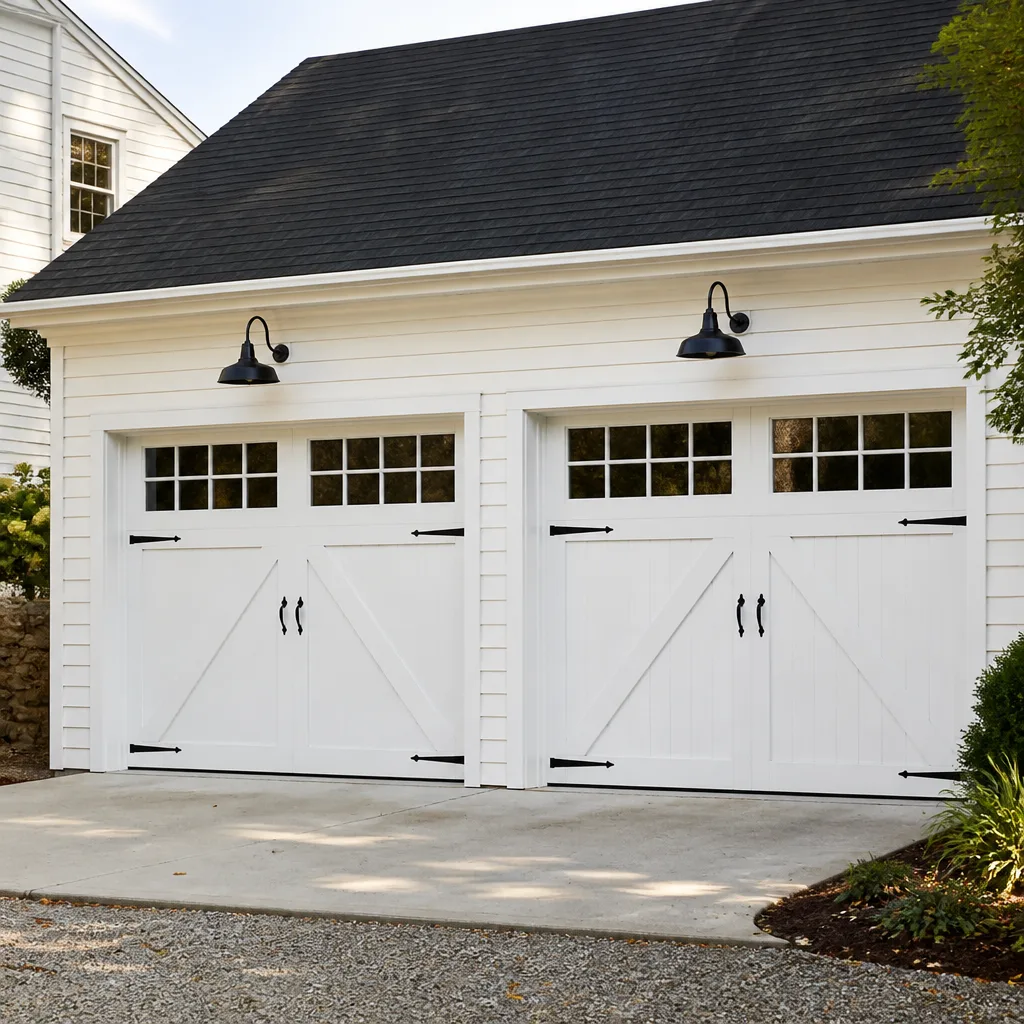 Carriage house
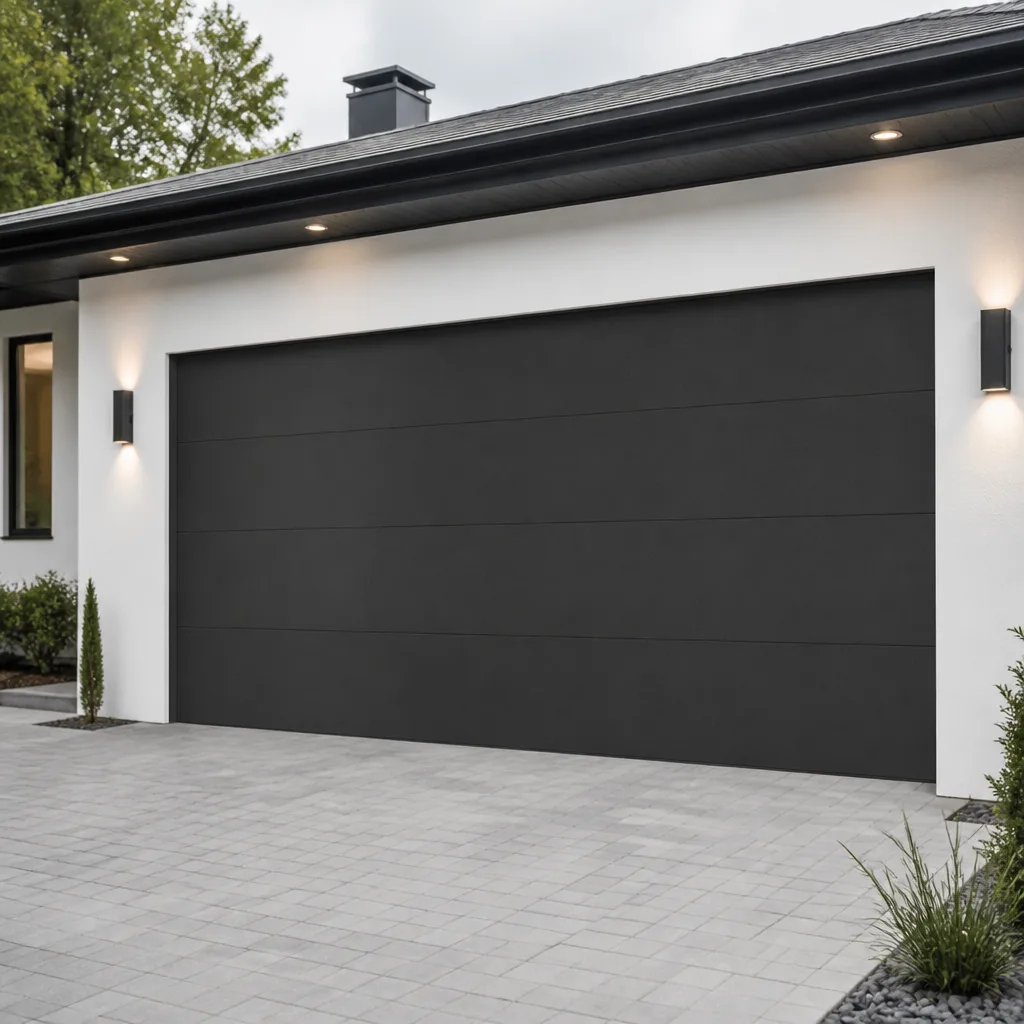 Modern flush
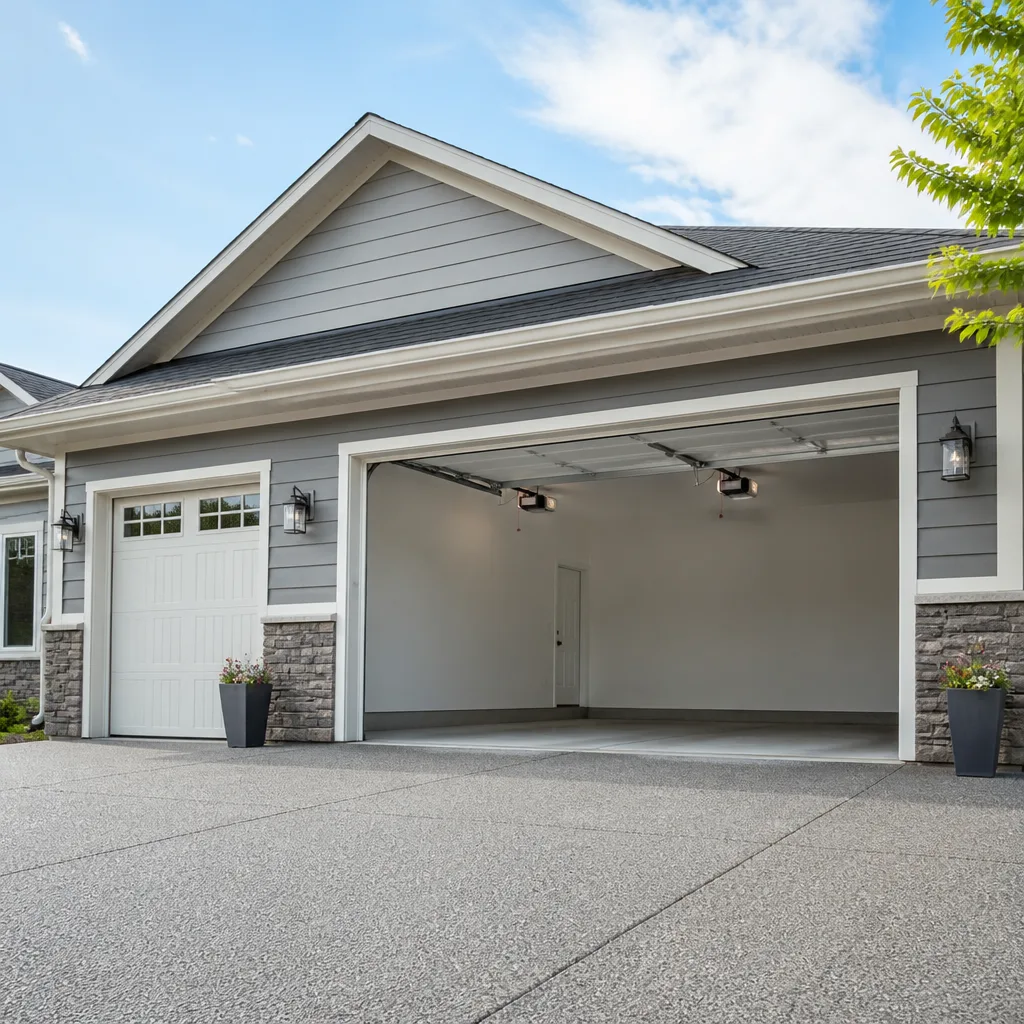 LiftMaster openers
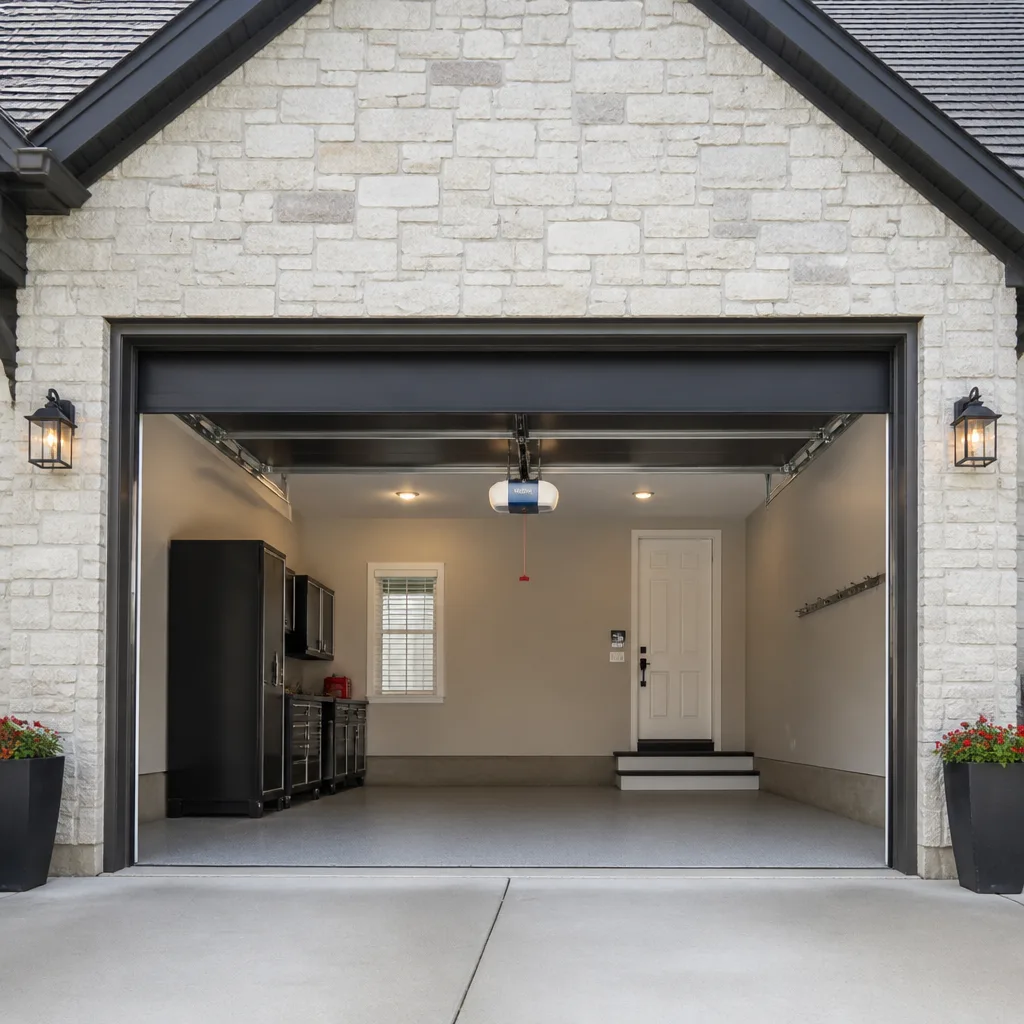 Chamberlain openers
Full 25-point door and opener safety check with every visit - springs, cables, rollers, tracks, and your LiftMaster or Chamberlain opener included
You get a price before we start. It does not change when the pro arrives.
Get your free estimateDIY vs Professional Garage Door: The Riverview Homeowner’s Decision Guide
Replacing your own torsion spring isn’t just a safety gamble. In Hillsborough County, an untrained repair can affect the wind-load certification on your door, and that can create an insurance gap you won’t discover until you file a storm claim. That’s a strong statement, so let’s be precise about it. Some garage door work is a fair DIY project for a handy homeowner, and some of it isn’t, and the line isn’t where most people assume it falls. In this guide we’ll draw that line in exactly the right place: where personal preference ends and liability begins. You’ll get a clear safe-to-DIY list, a hard no-DIY list, the licensing law that governs garage door work in Riverview, and the prep tasks that genuinely lower your bill without voiding anything.
Styles & brands we work with
- Raised-panel steel
- Carriage house
- Modern flush
- Full-view glass
- LiftMaster openers
- Chamberlain openers
Quick Answer
Safe DIY garage door work in Riverview is limited to routine maintenance and minor adjustments: lubricating hinges and rollers, cleaning and aligning the safety sensors, reprogramming your remote or keypad, and testing the door’s balance. Anything touching the springs, cables, tracks, or door panels is professional work. Spring and cable jobs carry real injury risk, and structural or track repairs performed without a licensed contractor can complicate your wind-load certification and a future insurance claim.
Table of Contents
- Why This Decision Matters More in Riverview Than You’d Think
- The Safe DIY List: Tasks That Won’t Cost You Later
- The Hard No-DIY List, and the Real Reason for Each
- How Florida’s Contractor Licensing Law Applies to Garage Door Work
- The Hidden Cost of DIY Errors
- How to Prep Before a Pro Arrives and Save on Labor
- When to Call a Professional
- Frequently Asked Questions
Why This Decision Matters More in Riverview Than You’d Think
In most of America, the DIY-versus-pro decision for a garage door is a question of money and skill. In Riverview, it carries a third dimension: compliance. Florida has some of the most specific wind-load requirements in the country, and your garage door is a rated part of your home’s wind envelope. The door, the panels, the reinforcement, and the anchorage are all part of a tested system. When that system is modified by an unlicensed person, the performance record of your door is no longer trustworthy, and you may not know that until you’re standing in a claims meeting.
We’re not trying to scare you off a screwdriver. Most garage door maintenance is straightforward and we’d rather you do it than pay for it. But “I fixed it myself” and “a licensed contractor fixed it” are two different statements on paper, and the difference matters in ways homeowners rarely consider until it’s too late.
Riverview’s climate adds a practical layer too. The heat and humidity here are hard on lubricants and rubber seals. A hinge that’s dry in Phoenix dries out faster in a Riverview garage, and you’ll notice squeals and sticking far sooner than you might expect. That’s a reason to keep up with simple upkeep, not a reason to take on structural repairs yourself.
The Safe DIY List: Tasks That Won’t Cost You Later
Here’s where a homeowner’s time is well spent. Every task on this list can be done with hand tools and no risk to the door’s structural rating or its warranty. If you do these four things, most garage doors live longer and fail less.
- Lubrication. Use garage-door lubricant on hinges, rollers, and bearing plates. Once or twice a year is plenty in Riverview’s climate. Avoid WD-40 as a long-term solution; it’s a solvent, not a proper hinge and roller lubricant.
- Safety-sensor alignment. The photo-eye sensors near the floor should trigger the door to reverse when blocked. If they’re misaligned, or if the LED is blinking differently, realign them and test the reversal by placing a 2×4 flat under the closing door.
- Remote and keypad reprogramming. Whether you have a Craftsman remote from the old house or a newer LiftMaster keypad, reprogramming is a basic 5-minute job. If the opener’s manual has a “learn” button, follow it exactly; if you’ve lost the manual, the manufacturer’s support line can walk you through it.
- Cleaning and visual inspection. Wipe the tracks with a damp cloth, clear out the garage so nothing blocks the door’s path, and look at the springs and cables for visible sagging, rust streaks, or a loose-looking winding bar. If you see any of those, stop what you’re doing and call a pro.
Beyond those four, we’d add one more: understanding what your door does. Walking outside and watching it open and close with your hand on the emergency release is a useful exercise. You’ll hear problems before you see them.
The Hard No-DIY List, and the Real Reason for Each
These three jobs are where we draw the line. Not because we’re protective of our trade, but because the injury record and the liability record both tell the same story: this is not a place for a homeowner and a YouTube tutorial.
- Torsion spring replacement. A torsion spring stores enormous mechanical energy – enough to break bones or cause worse if it releases unexpectedly. Even experienced garage door technicians treat spring work with strict protocols. If your door won’t open at all, or you hear a loud bang from the garage and the door won’t lift, the spring is the likely culprit. See our dedicated page on garage door spring repair for what the work involves. This is the most dangerous repair in the category, and we treat it as a dedicated service for a reason.
- Cable replacement. Cables are under the same tension as springs. A cable that slips under load can whip through the air. A $60 cable kit from a hardware store is not the problem; the installation process is. In our experience, this is where a repair budget quietly becomes a panel-replacement budget.
- Track reinstallation or bending. The vertical and horizontal tracks have specific gauge and mounting requirements. A slightly bent track looks fine until you run the door and it pops off a roller and pins a panel. Correcting a track without checking the door’s balance at the same time is one of the most common mistakes we see in Riverview.
One more thing: painting or drilling into a rated garage door panel can technically void the wind-load rating if it affects the panel’s structure. If your panel needs a hole for a new handle or a replacement window kit, that’s a question for your installer or door manufacturer, not a drill.
How Florida’s Contractor Licensing Law Applies to Garage Door Work
Florida’s contractor licensing rules cover most structural and mechanical work on a home, including garage door installation and major repair. The specific license category depends on the work; garage door work often falls under a specialty contractor classification. What matters to most homeowners is the practical answer to two questions: can I hire an unlicensed person, and if so, what happens if something goes wrong?
The honest answer to the first question is that Florida law generally doesn’t prevent a homeowner from working on their own home. The second question is where it gets interesting. If unlicensed work is performed on a home and later causes a claim, or if a claim involves work that wasn’t permitted or licensed, an insurer can reduce coverage or deny the claim. That’s not a scare tactic; it’s a general feature of homeowner policies. Before you take on a structural repair yourself, ask: if this causes a loss six months from now, can I prove the work was done to code? For a licensed contractor, the answer is yes. For a homeowner without a permit, it’s usually no.
This is especially true on a wind-rated component in Riverview, where storm claims are common and insurers do review them. Our rule of thumb: any job that affects the door’s structure, its springs, or its tracks is a licensed-contractor job. Any job that’s on the safe-DIY list above is yours to do. If you’re unsure where your job sits, ask the city’s building department before you do it.
The Hidden Cost of DIY Errors
The cost of a DIY mistake isn’t just the price of the part. It’s the parts you touch on the way down the rabbit hole. Here’s how that math usually works out:
- A cable kit gone wrong. A $60 cable kit installed incorrectly can bend a panel’s stile or stress a hinge plate; the result is a panel replacement that’s several times the price of the cable.
- A torsion spring swap without the right tools. Homeowners often end up with a bent winding bar, a stuck door, and two technicians required instead of one, because the door now has to be safely recovered before the spring work can start.
- A bent track. Straightening a bent track with a hammer is a common move; a track that gets out of alignment can force the opener to overwork, which shortens the opener’s motor life.
- A new opener head installed wrong. Wiring mistakes on a modern opener can trip a GFCI repeatedly or, worse, leave the safety sensors non-functional. Even a wi-fi-connected model depends on the sensor circuit to reverse on obstruction.
The math we’d rather you run isn’t “how much could this cost if it goes wrong.” It’s “how much is the right repair, done once, by someone whose liability insurance is on the paperwork.” For springs and cables, that answer is nearly always less than a worst-case DIY outcome.
How to Prep Before a Pro Arrives and Save on Labor
Here’s the part homeowners don’t hear often enough: you can reduce your bill by doing real prep work. None of the tasks below affect the door’s structure or its warranty. They just cut the amount of time a technician spends on setup.
- Clear the garage floor. A 3-foot radius around the door on both sides gives the technician room to work. This is the single biggest time saver.
- Know the brand and model. Write down what’s on the opener and the door panel tags. Craftsman, Chamberlain, LiftMaster, Raynor, and other brand names are a shortcut to the right parts on the first visit. Our own technicians are certified across the eight major brands, but knowing what’s on your door helps them bring the right equipment.
- Test the door and describe the failure in order. “It opened, then stopped halfway, then wouldn’t close” is far more useful than “it’s broken.” The sequence narrows the diagnosis before the technician even arrives.
- Have a photo ready. A photo of the opener, the springs, and the hinge line is worth three phone calls. If your door has visible damage, this also helps the technician plan before the visit.
- Disconnect the automatic openers if you’re changing anything about the door’s balance. The technician will do the same; don’t run the door repeatedly while it’s in a bad state.
None of this voids a warranty or affects licensing. It just shortens the job. If you’re ready to book a visit, you can call us at (866) 521-4006 for a free estimate.
Repair or Replace? A Riverview Decision Framework
When a door is failing, the first question isn’t DIY versus pro; it’s whether the door is worth repairing at all. In Riverview, most doors under 15 years old are worth repairing, and most doors over 20 years old depend heavily on the door’s condition and the panel availability. Here’s the framework we use:
- One bad component, healthy door. A single spring failure on a solid door is a repair. Springs, a cable, an opener head, or a hinge set are all replaceable without touching the door panels.
- Repeated failures, visibly bent panels. When a door has been repaired twice in a short period, or when panels are visibly warped, the money often goes further toward a replacement than another repair.
- Cosmetic-only problems. A dull finish, a small dent, or a peeling paint job doesn’t need a new door. The question is whether the door’s balance and safety systems are working; those can usually be restored.
- Wind-rated replacement only. If your door was installed before the current wind-load standards took effect and you’re planning a roof replacement or major addition, a compliant door is a decision, not a repair.
If you’re not sure which side of the line you’re on, the honest answer is that it depends. A garage door repair visit can usually tell you whether a repair will hold for years or whether you’re looking at a cycle of one repair after another.
What’s Different About Opener Work
Garage door openers are a category of their own. The repair itself is usually gentler than a spring or cable job, but the electronics are the part most homeowners underestimate. A modern LiftMaster or Chamberlain opener uses rolling-code technology, an infrared sensor pair, and a control board that has to recognize every remote on its network. If you’ve ever tried to pair a new remote to an older opener, you already know the frustration. Here’s where the brand knowledge comes in:
- Legacy openers (often Craftsman and older Genie units) use fixed-code technology and behave differently than modern openers when you try to pair a new remote. The pairing procedure is not interchangeable.
- Modern openers add wi-fi and app control, which brings its own setup quirks. The opener not showing in the app is not the same as the opener not working, and the fix is different.
- Motor and rail issues look like opener problems but are often door problems. A door that’s out of balance makes the opener work harder; the opener gets blamed, but the fix lives on the door, not the motor.
If your opener is failing, garage door opener repair is the right visit. Our technicians work on LiftMaster, Chamberlain, Genie, and Craftsman systems specifically, so you don’t have to translate your opener’s quirks to a generalist.
The DIY vs Professional Garage Door Comparison
Here’s the practical side-by-side. This is the table we’d draw on the back of a notepad for a neighbor standing in our driveway:
- Lubrication and cleaning: DIY. Cheap, safe, well within a homeowner’s ability.
- Sensor alignment and remote pairing: DIY. Basic tools, no risk.
- Spring replacement: Pro. Injury risk, warranty risk, and compliance risk.
- Cable replacement: Pro. The tension is the problem, not the part.
- Track reinstallation or bending: Pro. Small errors compound into serious door failures.
- Opener head replacement: Pro. Wiring, sensor circuits, and brand-specific pairing.
- Panel replacement or new door: Pro. Wind-load rated components and installation documentation.
- Off-track door recovery: Pro. This is an emergency call, not a weekend project.
The line isn’t “how hard is it.” The line is “if this goes wrong, who’s responsible.”
Emergency Work vs Scheduled Work: How the Timing Changes the Decision
Timing changes the math. A scheduled repair lets you plan, budget, and even do the prep work on this page. An emergency is a different scenario. If your door won’t close at 11pm and you’re home alone, the DIY temptation is real, and it’s exactly when you should not give in.
- Emergency repairs belong on a same-day basis with a trained technician. A door that’s off its tracks or has a snapped spring is a safety hazard, and the goal is to get you back up and running, not to teach you the mechanics.
- Scheduled repairs are where you have leverage: a free estimate, a written quote, and time to compare. If your door is squeaking or one spring looks older than the other, schedule the visit. It’s cheaper and easier than an emergency.
- Installs and replacements are always scheduled. There’s no same-day promise on a new door, and there shouldn’t be. The door needs measuring, ordering, and proper installation.
In our experience in Riverview, the calls that come in at 2am are almost always preventable with a bit of maintenance. If you want to reduce the chance of an emergency visit, the safe-DIY list above is where to start.
Common Mistakes to Avoid
- Assuming a loud bang is “just a spring” and ordering a spring online. The noise might be a spring, a cable, or a broken hinge. Diagnosing by ear is how a $180 repair becomes a $400 one.
- Using WD-40 as a long-term door lubricant. It’s a light solvent; hinges and rollers need a proper lubricant, especially in Riverview’s humidity.
- Painting or drilling a rated panel without checking with the manufacturer. Cosmetic changes can affect the door’s wind-load rating on paper, which matters at claim time.
- Hiring the lowest quote without verifying licensing. A quote is not a license. Ask for the license category, then verify it with the state.
- Ignoring the safety sensors. A door that reverses inconsistently is a door that isn’t safe for kids or pets. Test the reversal by placing a 2×4 flat under the closing door.
- Trying to “fix” a track with a hammer. Bent tracks need replacement, not persuasion; the door will come off the rollers at the worst possible moment.
- Mixing brands mid-repair. A Chamberlain remote paired to a LiftMaster opener is a pairing procedure, not the same remote; make sure you know which brand is which.
When to Call a Professional
Call a professional if the door won’t open or close, if you hear a loud bang from the garage, if the door is visibly off its tracks, if a cable has come loose, if a spring looks broken, or if the opener is making grinding or repetitive-clicking noises. Call if you’re unsure how to safely test the door’s reversal. And call if your door is over 15 years old and has never been serviced; a professional inspection can catch problems before they become emergencies. Riverview Garage Door Repair Co offers free estimates in Riverview. Call (866) 521-4006 to schedule. Our technicians have up to 8 years of experience and are certified to service eight major brands, so the person who visits your door will already know how to work on your equipment.
Frequently Asked Questions
No. Torsion spring replacement is a professional job because the spring stores enormous mechanical energy that can cause serious injury, and because unlicensed structural work can affect your wind-load compliance and a future insurance claim. Call (866) 521-4006 for a free estimate on spring repair.
It can. If unlicensed work is done on a rated component and later causes a loss, your insurer may review the work and could reduce or deny coverage. Wind-rated garage doors are part of your home’s storm envelope in Riverview, so structural repairs belong with a licensed contractor. Ask your insurer for your specific policy’s language if you’re unsure.
It depends on the repair. A simple adjustment or sensor fix is the low end; a spring replacement is the higher end; a track or panel replacement is higher still. We provide a free written estimate before any work starts, and the quote is the price. Call (866) 521-4006 for an exact quote.
Look and listen. From outside, watch the door open and close and note whether the panels run smoothly, whether the door reverses when you place a 2×4 flat under the closing edge, and whether anything looks visibly wrong with the springs or cables. If anything is out of the ordinary, stop and call a professional.
Yes. Emergency service is a core offering, not an upsell. If your door won’t close at night or won’t open in the morning, we’re set up to respond. Call (866) 521-4006 and describe what you’re seeing so we can prepare.
We service LiftMaster, Chamberlain, Genie, Clopay, Amarr, Wayne Dalton, Craftsman, and Raynor. If your opener is one of those, the technician will already be familiar with the model’s quirks. If it isn’t, tell us the brand and we’ll confirm before the visit.
The Bottom Line
The DIY versus pro decision for a garage door isn’t a matter of bravado; it’s a matter of where the risk shifts. Lubrication, sensor alignment, and remote pairing are yours. Springs, cables, tracks, and door panels belong with a licensed contractor, especially in Riverview, where wind-load compliance and insurance are part of the equation. A $60 part, done wrong, can become a $400 panel or worse, and unlicensed work can come back at claim time. The math is simple: do the safe tasks, prep for the licensed ones, and let a professional handle the rest. Riverview Garage Door Repair Co offers free estimates – call (866) 521-4006 to schedule. We repair, service, and install doors across all eight major brands, and we’ll tell you honestly where you can save money by doing it yourself.
Written by the team at Riverview Garage Door Repair Co.
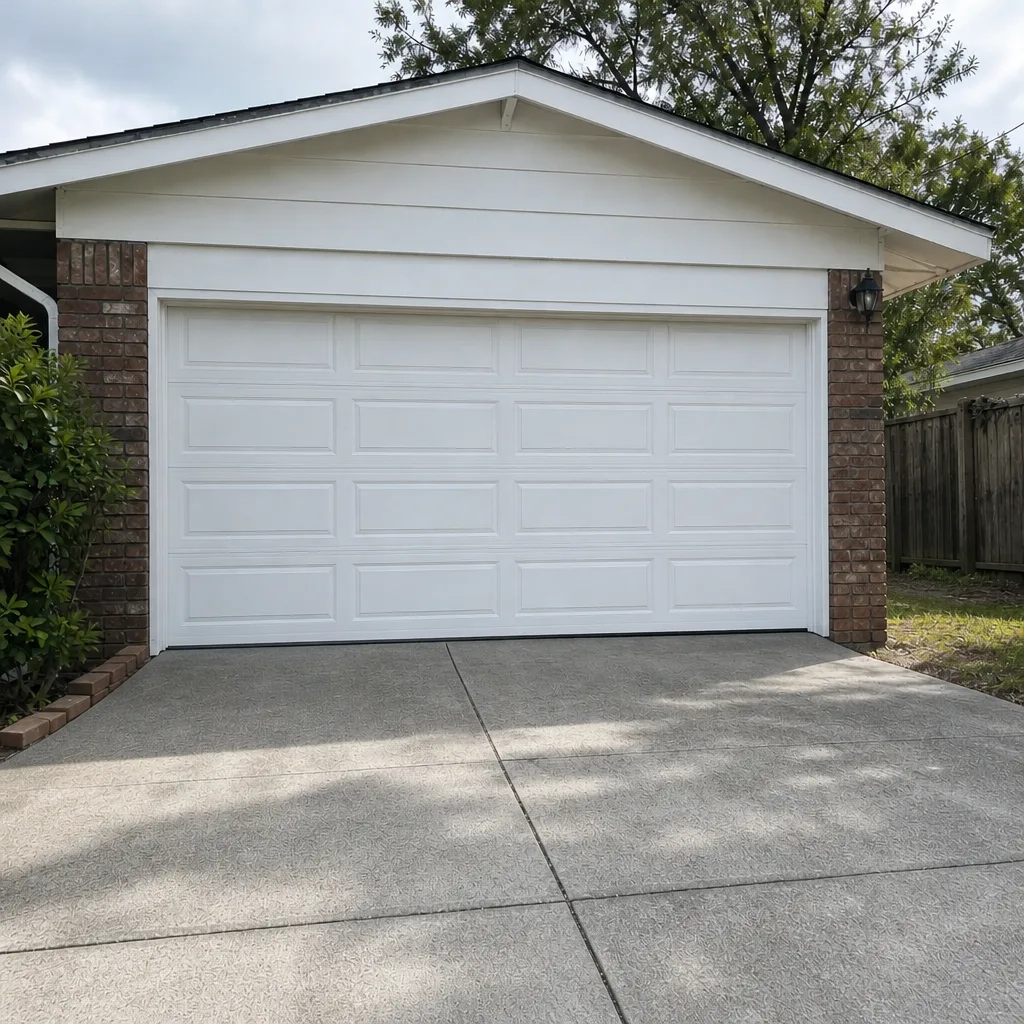
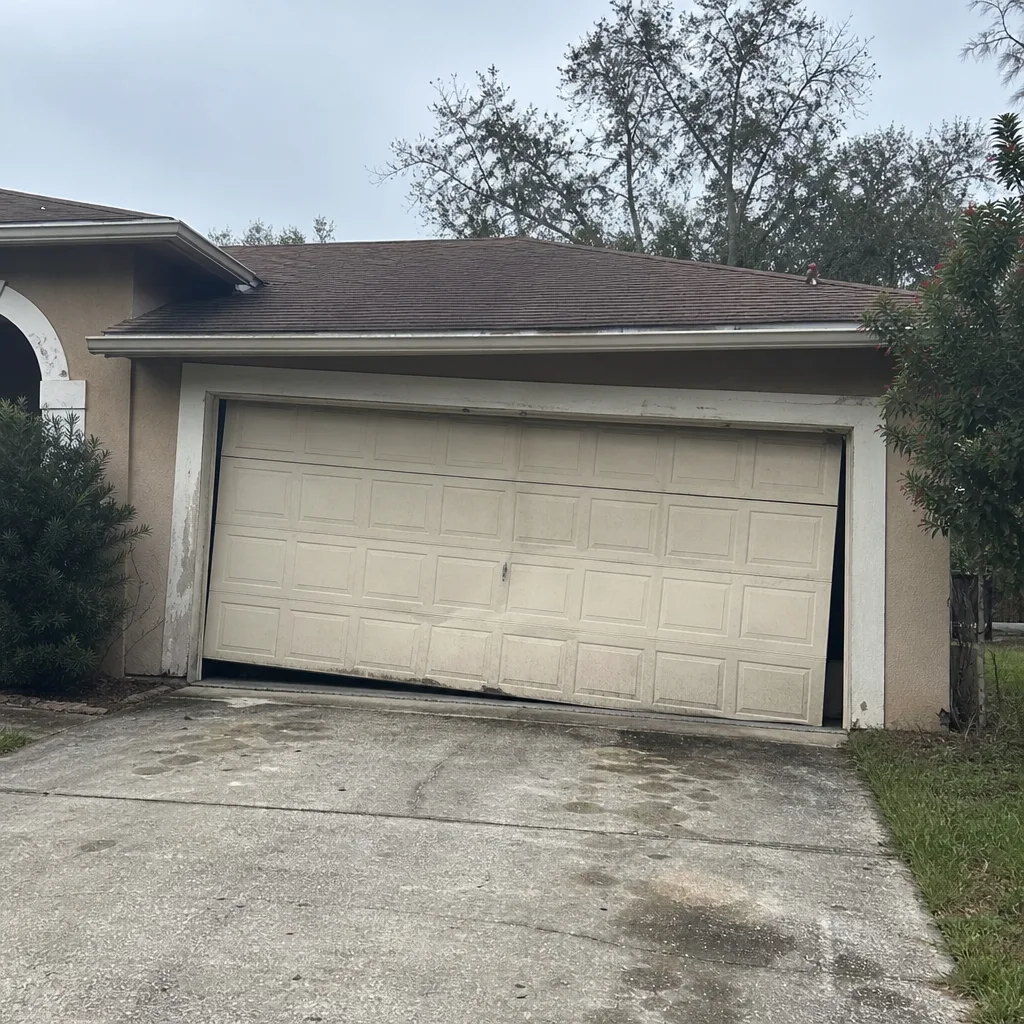
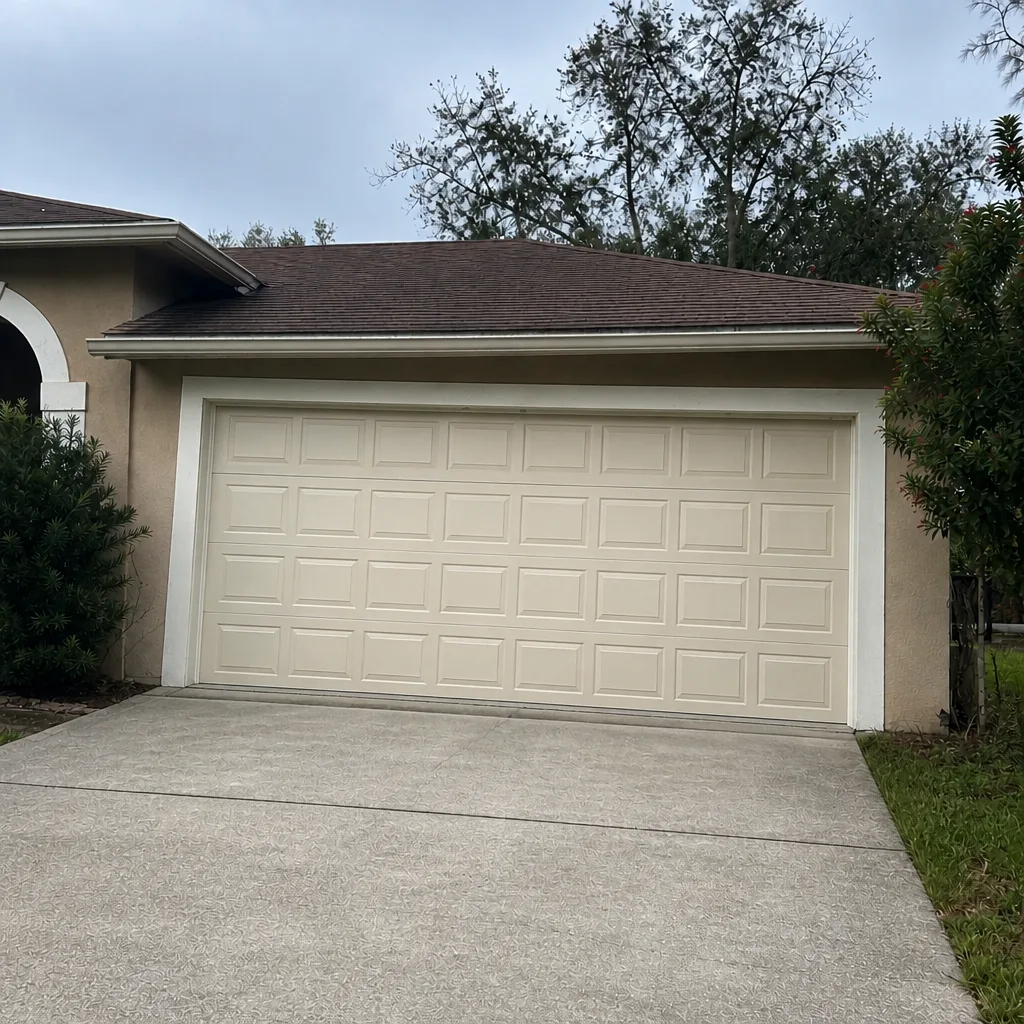
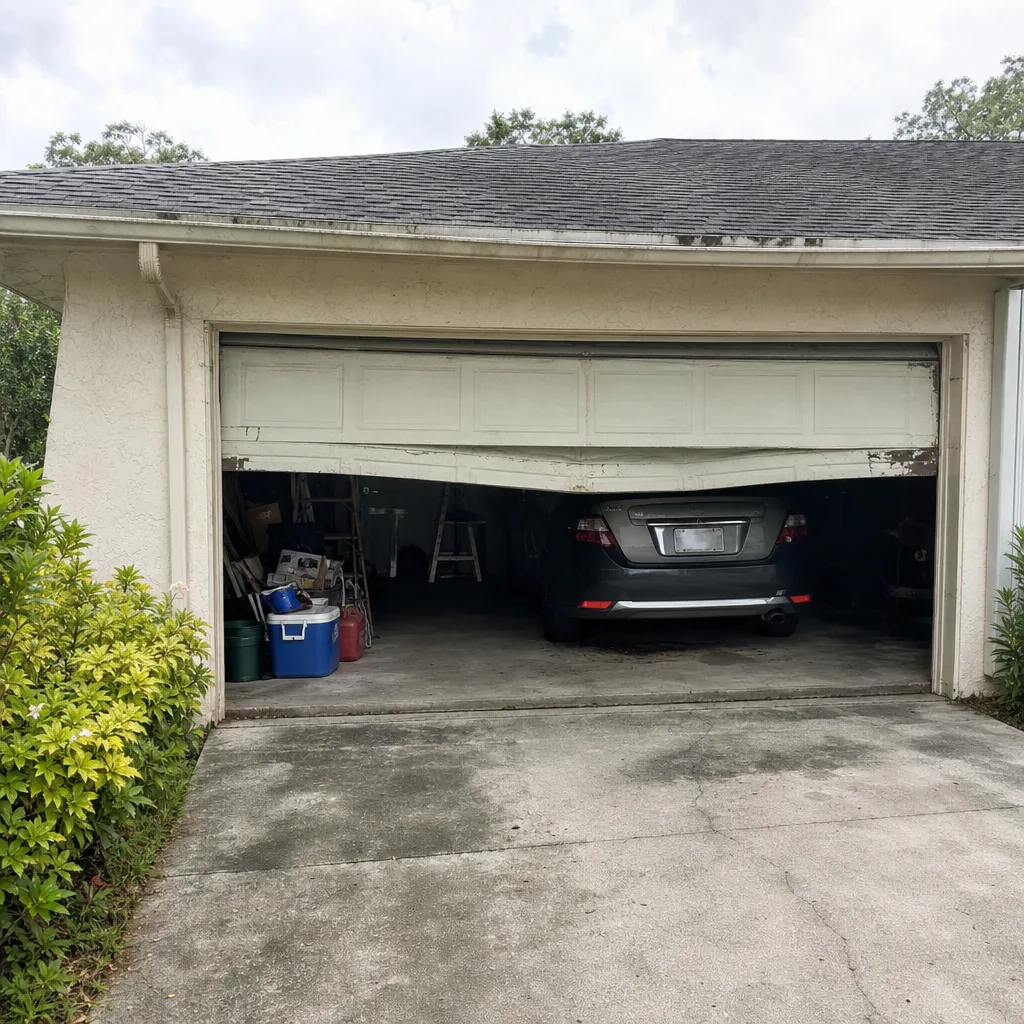
See the difference
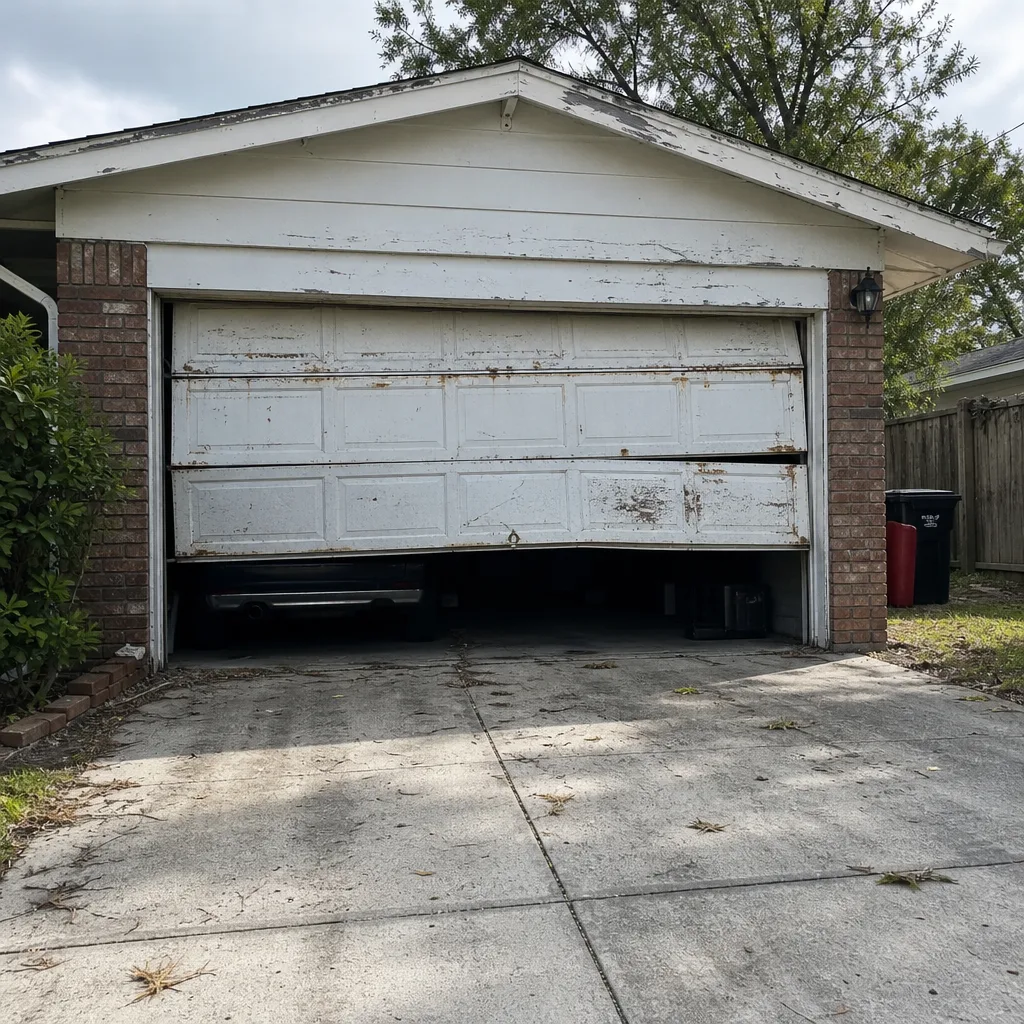 Before
 After
 Before
 After
 Before
 After