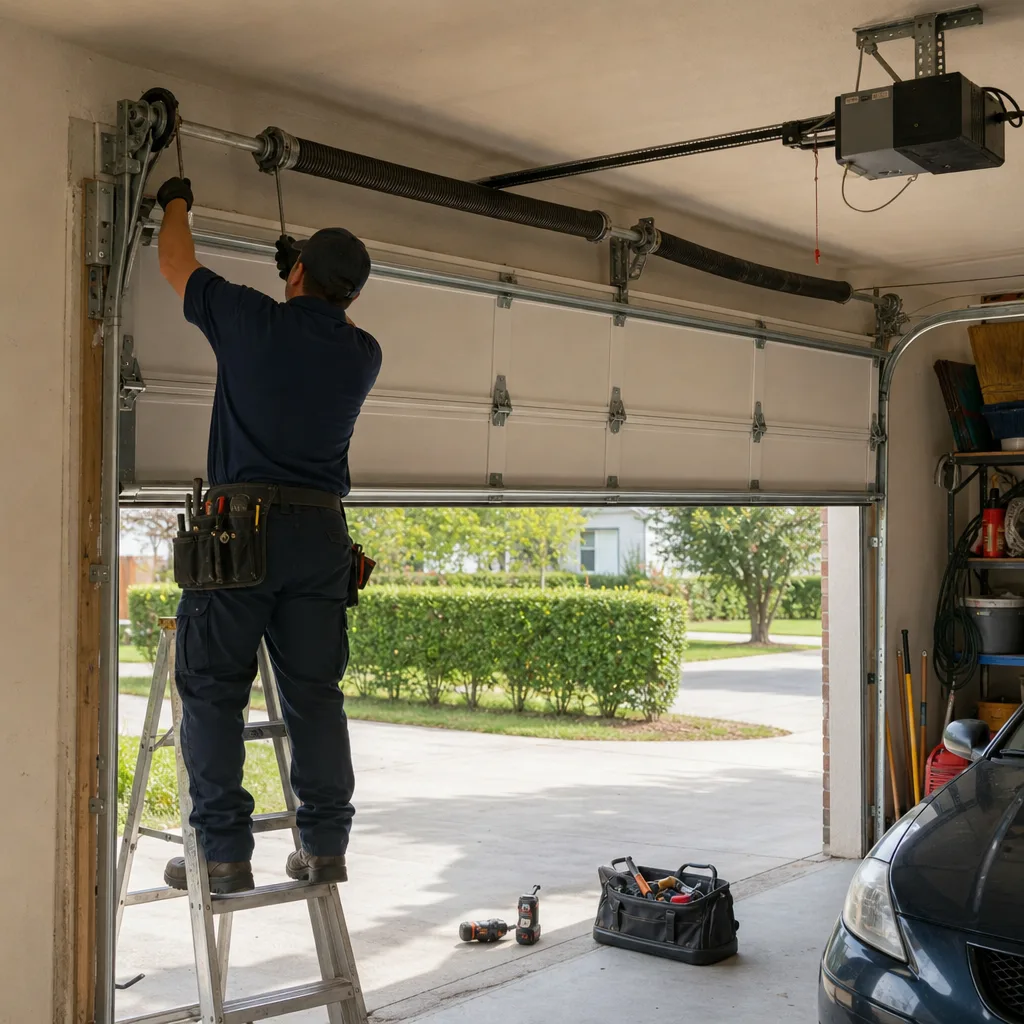
Last updated November 21, 2026
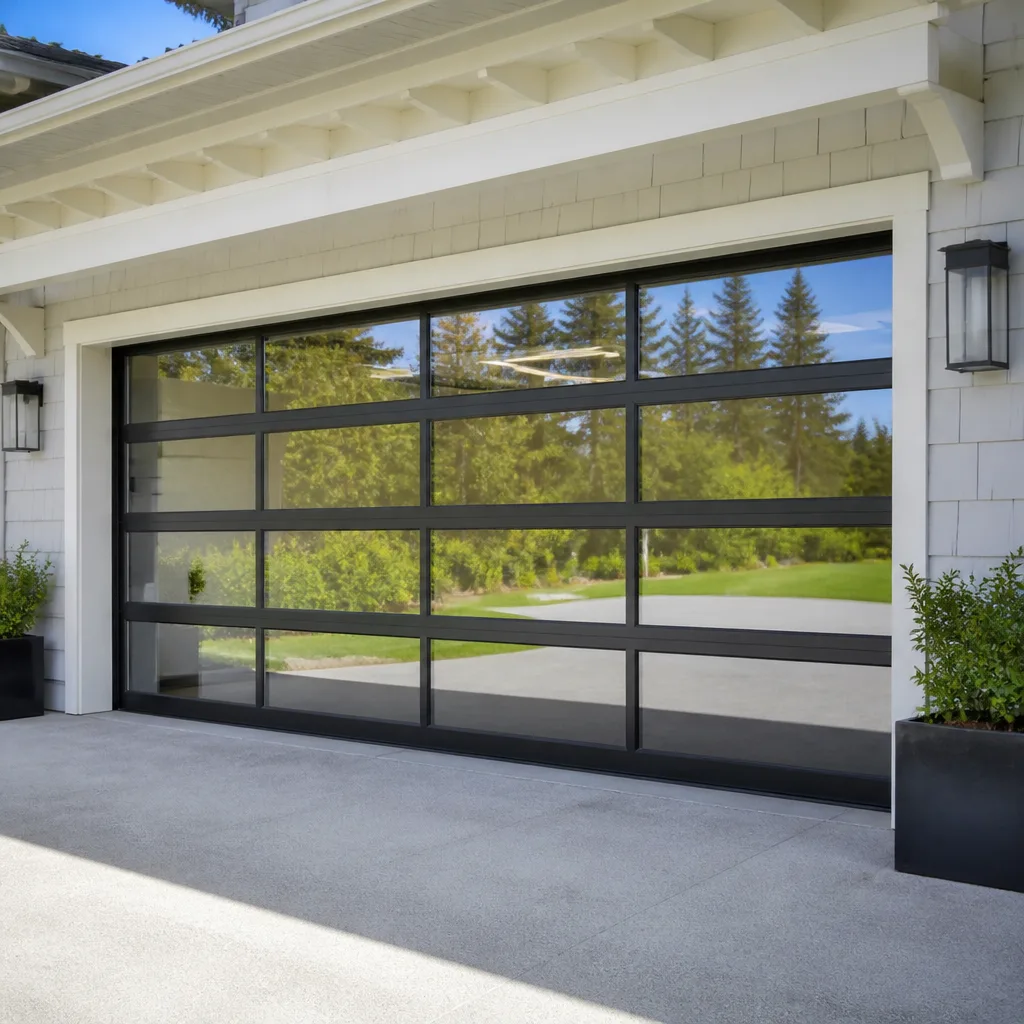 Full-view glass
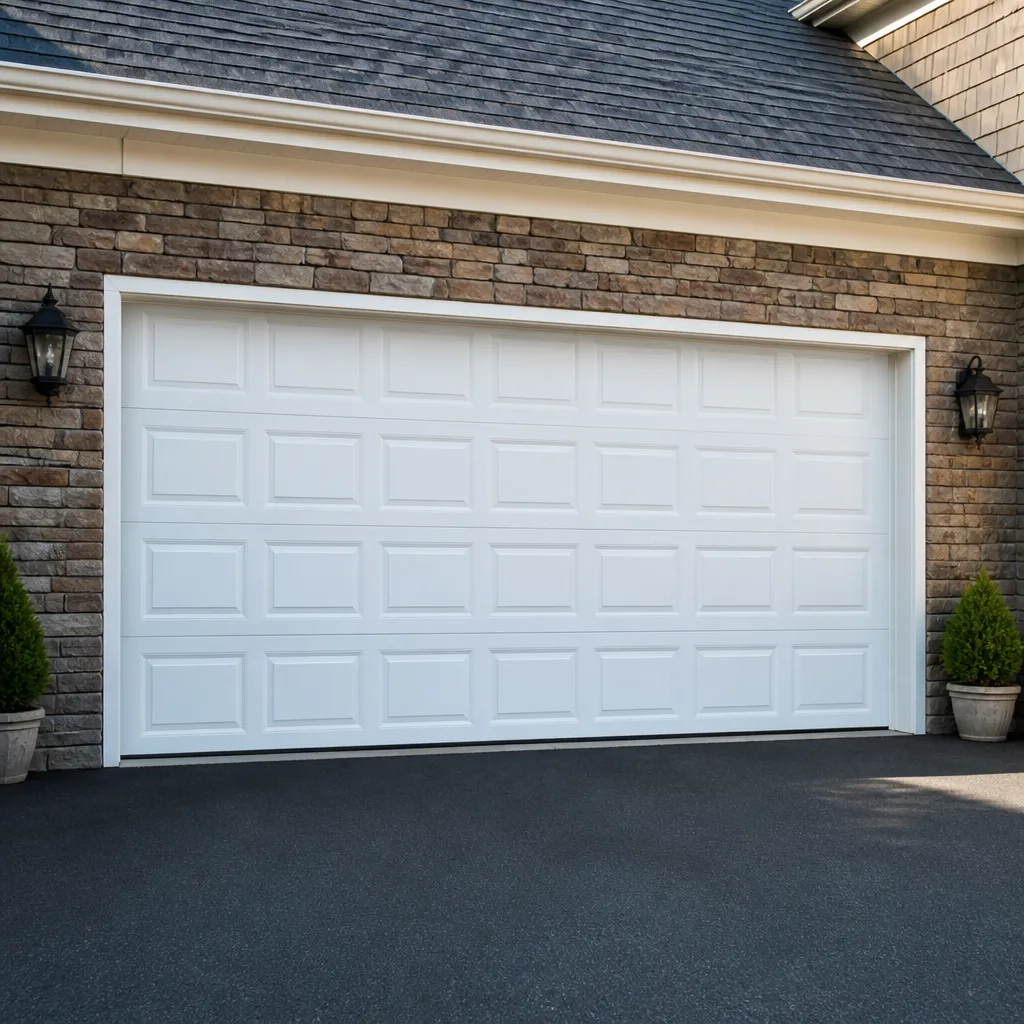 Raised-panel steel
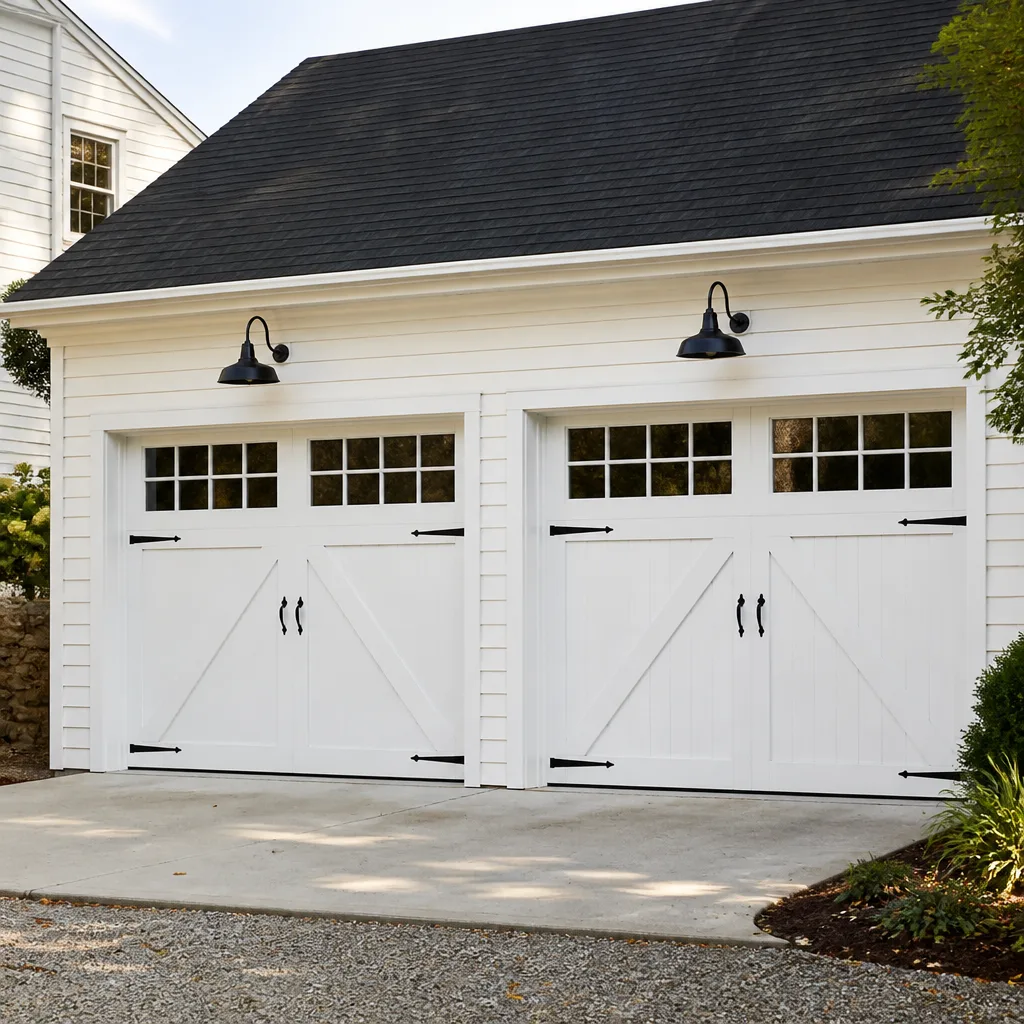 Carriage house
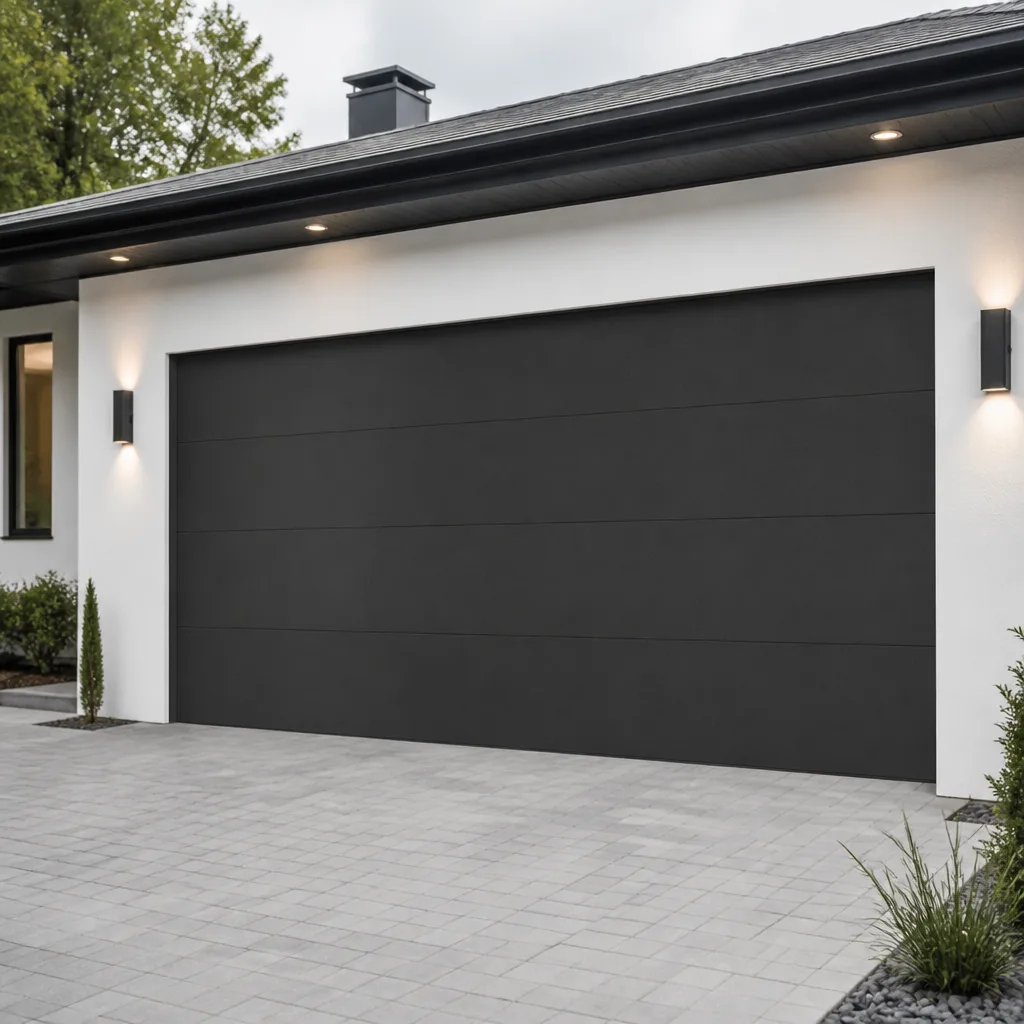 Modern flush
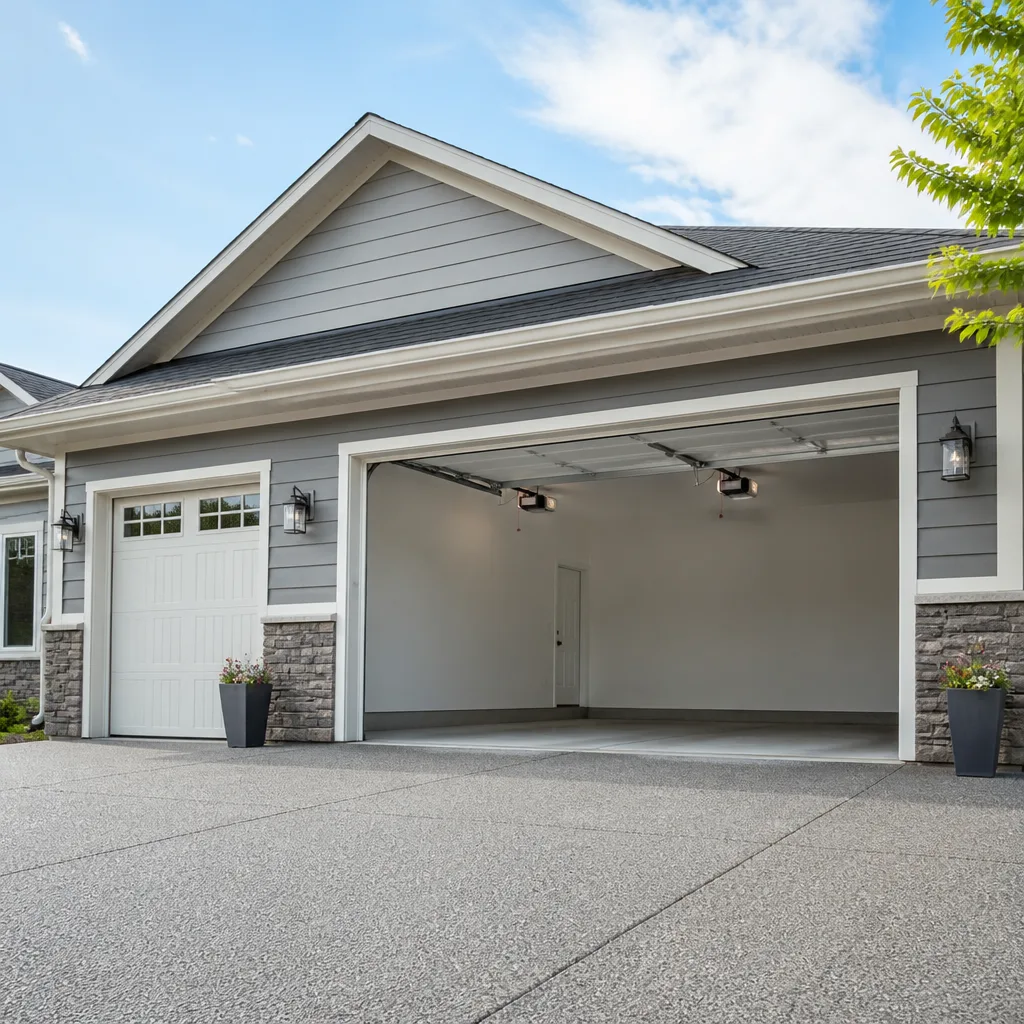 LiftMaster openers
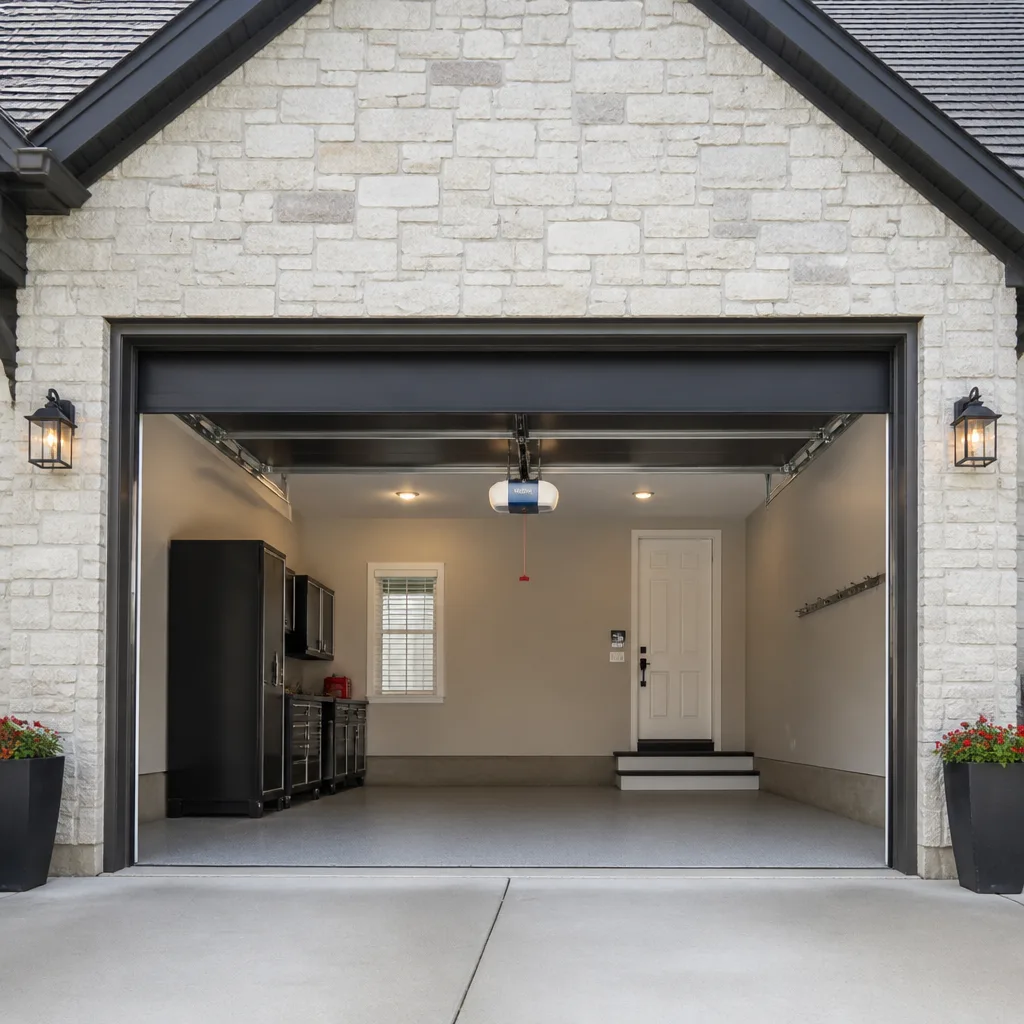 Chamberlain openers
Full 25-point door and opener safety check with every visit - springs, cables, rollers, tracks, and your LiftMaster or Chamberlain opener included
You get a price before we start. It does not change when the pro arrives.
Get your free estimateSeasonal Garage Door Care for Riverview: Year-Round Homeowner’s Guide
Most “seasonal” garage door guides are written for climates that get snow. They tell you to clear ice from the bottom seal in November and check for rust after the thaw. In Riverview, the real threat calendar starts June 1st, not December 1st. Our year splits into two cycles that actually stress a garage door: hurricane season from June through November, and the dry-heat stretch from March through May that quietly warps panels and wears out openers. A Northern maintenance schedule does nothing for a door in Riverview. This guide gives you the one that fits here – what to check, when to check it, and what to leave to a technician. We’ll cover pre-storm prep in May, what to do when a named storm is three days out, dry-heat care in spring, how to document storm damage, and why your photo-eye sensors quit so often in this humidity.
Styles & brands we work with
- Raised-panel steel
- Carriage house
- Modern flush
- Full-view glass
- LiftMaster openers
- Chamberlain openers
Quick Answer
In Riverview, garage door care runs on two seasons, not four: prep for hurricane season in May, secure the door when a named storm approaches between June and November, and protect against heat and humidity damage from March through May. The highest-value tasks are sealing and track checks before June, a working manual release and battery backup all season, and spring tension and sensor checks during the dry-heat stretch. Anything involving springs, cables, or the door coming off its tracks is a professional job, not a homeowner one.
Table of Contents
- Why Riverview’s Climate Rewrites the Maintenance Calendar
- Pre-Storm Season Prep: What to Do in May
- When a Named Storm Is 72 Hours Out
- The Dry-Heat Stretch: March Through May Care
- Post-Storm Inspection: What’s Damage vs. What’s Wear
- Year-Round Opener Care in Riverview’s Humidity
- Spring Tension Across the Year
- The Riverview Maintenance Calendar at a Glance
- Common Mistakes to Avoid
- When to Call a Professional
- Frequently Asked Questions
- The Bottom Line
Why Riverview’s Climate Rewrites the Maintenance Calendar
A garage door guide written for Ohio assumes the enemy is ice. In Riverview, the enemy is heat, humidity, and wind. That’s a different set of failure points, and it hits at different times of year. If you’ve been following a snow-belt checklist, you’ve been doing maintenance in the wrong months and ignoring the ones that matter.
Here’s what actually happens to a door in Riverview across a year:
- March through May brings dry heat and big day-to-night temperature swings. Metal panels expand and contract. Springs lose and gain tension. Opener motors run hotter in an attic-mounted unit.
- June through November is hurricane season. This is when wind-driven rain tests your seals, when power outages strand doors mid-cycle, and when a door that wasn’t secured becomes a projectile risk.
- Year-round humidity is the slow killer. It corrodes the small electrical contacts in your opener’s photo-eye sensors, swells wooden door components, and works on every hinge and roller in the system.
Snow-belt guides also assume your door sits idle for months. Riverview doors don’t. They cycle in the heat, they cycle through storm season, and they do it in air that holds moisture year-round. That’s more annual wear than most of the country puts on a door, just spread differently across the calendar.
The good news: none of this is hard to manage if you work with the right schedule. The rest of this guide walks through each cycle in order. If you’d rather hand the whole thing to a technician who knows the equipment, Riverview Garage Door Repair Co is set up to handle repairs, tune-ups, and full installations. Our technicians have up to 8 years of experience, and we service equipment from LiftMaster, Chamberlain, Genie, Clopay, Amarr, Wayne Dalton, Craftsman, and Raynor – so whoever shows up already knows the hardware on your door.
Pre-Storm Season Prep: What to Do in May
May is the month that decides how your door handles June through November. It’s still dry, the heat hasn’t peaked, and you have time to catch problems before a named storm forces the issue. Think of it as the homeowner’s version of a preseason physical.
Here’s the May walkthrough, in the order that matters:
- Inspect the weather seal. Run your hand along the bottom seal and the perimeter trim. Feel for gaps, cracks, or hardened rubber that no longer flexes. A seal that’s lost its give lets wind-driven rain straight into the tracks and the opener housing. Replace it before June, not after.
- Check track alignment. Look down each track from top to bottom. The vertical and horizontal sections should line up smoothly with no visible bend or gap at the curve. A track that’s slightly out of line in May can bind badly once heat and wind add stress. Alignment checks are quick for a technician and worth doing before storm season.
- Test the manual release. With the door closed, pull the red release handle and lift the door by hand. It should move smoothly and stay put when you let go about halfway up. If it’s stiff, or if it drops instead of holding, that’s a spring or balance problem – and you need to know that in May, not during a power outage in September.
- Confirm your opener has battery backup. If your opener doesn’t have a battery backup, this is the single most useful storm-season upgrade you can make. When the grid goes down, a backup lets you open and close the door without disengaging it by hand. Modern units from LiftMaster and Chamberlain offer this, and it’s a straightforward addition if your current opener doesn’t support it.
- Clear the door’s travel path. Look for anything that could foul the door or track during a wind event. Check that the door isn’t binding on a warped jamb, that the rollers are seated, and that nothing is stored leaning against the inside of the door.
If any step turns up a problem you can’t sort out on your own, that’s a good moment to schedule a tune-up. A technician can rebalance the door, adjust the tracks, and confirm the springs are in good shape before the season starts. It’s a lot easier to book that work in May than in the middle of a storm watch.
When a Named Storm Is 72 Hours Out
Once a named storm is on the forecast and you’ve got about 72 hours, your job changes. This is no longer about maintenance – it’s about securing the door so it doesn’t become a problem in the wind and so you can get in and out if the power fails. Do these in order, and don’t skip to the end.
- Close and lock the door, then don’t cycle it unnecessarily. In the days before a storm, leave the door down and secured. Every unnecessary cycle is one more chance for a tired spring or loose roller to fail at the worst time.
- Test the manual release one more time – safely. If you tested it in May, a quick recheck confirms nothing has changed. Pull the release and lift the door by hand. If it moves freely and holds, you’re set. Do not attempt to adjust springs or cables yourself to “fix” a stiff door before a storm. Those parts are under extreme tension and can cause serious injury. If the door won’t balance, call a professional now rather than risk it in a wind event.
- Disengage the opener and secure the door for the storm if you’re told to evacuate or if the storm is severe. When you release the door from the opener, the door becomes manual. That’s fine if you’re home, but if the door gets pulled partly up by wind and there’s no opener holding it, it can slam. If you’re leaving, engage the manual lock (many doors have one) or confirm the door is fully seated in the tracks and latched. For doors without a lock, a technician can advise on securing hardware before the storm arrives.
- Charge backup batteries and confirm the opener’s backup is working. Test it before the storm, not during the outage. If your opener has a battery backup, run a quick open-and-close test with the power off to confirm the battery is charged. Replace the battery if it’s weak or if you don’t know how old it is.
- Clear the area around the door and inside the garage. Move anything that could blow into the door, and clear the tracks so nothing jams the door if it does need to move.
The 72-hour window is also when a lot of homeowners discover their door doesn’t work right. If that’s you, get on the phone early. Emergency garage door service is a core part of what we do at Riverview Garage Door Repair Co, and we’re built to respond when a door won’t close or won’t open. But the closer the storm gets, the harder it is to get a technician out. A call in the calm 72 hours is a much easier fix than a call at landfall.
The Dry-Heat Stretch: March Through May Care
Before storm season even starts, Riverview goes through a dry, hot stretch from March through May. This is the window most homeowners ignore because nothing has visibly broken yet. But this is when the quiet damage happens – the kind you only notice in August when the door starts sticking or the opener starts struggling.
Three things go wrong in the dry heat:
- Panel expansion gaps. Metal door panels expand as they heat up and contract at night. Over a season of big day-to-night swings, the panels can shift slightly, and the gaps at the hinges and edges can open or close unevenly. That’s what causes a door that suddenly rubs or rattles. Check that the panels sit flush and that the hinges aren’t working loose.
- Opener motor ventilation. An opener motor in a garage attic or a hot ceiling runs hotter in March through May than at any other time. Dust and debris build up on the motor housing and trap heat. Wipe down the housing and check that the vents aren’t blocked. A motor that’s running hot will start to sound strained and eventually fail.
- Spring tension shifts. This is the one to respect. Springs are sensitive to temperature, and the dry-heat stretch causes them to lose and gain tension in ways that show up as a door that suddenly feels heavy or closes unevenly. Do not try to adjust spring tension yourself. It’s the most dangerous part of any garage door, and it’s why spring repair is a dedicated service for us rather than a routine task. If your door has gotten hard to lift or won’t hold halfway up, that’s a sign it’s time for a professional spring check.
You can manage the first two yourself with a quick monthly look. The third one is a phone call. We handle garage door spring repair as a standalone service because it’s the repair most likely to hurt someone who tries it without the right tools and training. In the dry-heat months, a spring check is cheap insurance against a failure in the middle of storm season.
Post-Storm Inspection: What’s Damage vs. What’s Wear
After a storm passes, you’ll want to know whether something broke or whether it was already on its way out. That distinction matters for your insurance claim and for how you plan the repair. Here’s how to tell the difference.
What storm damage looks like:
- Dents, creases, or bends in the door panels with a clear impact point or a pattern that matches wind-driven debris.
- Tracks that are visibly bent out of line, especially near the top or at the curve, from wind pressure or a struck object.
- A door that’s come out of its tracks or is hanging unevenly after the storm.
- Water intrusion inside the opener housing or the tracks from wind-driven rain.
- Broken glass or a damaged seal with a clear fresh tear or impact.
What pre-existing wear looks like:
- A single worn roller or a hinge that’s been loose for a while – the wear pattern shows gradual buildup, not a fresh break.
- Rust or corrosion on hinges, rollers, or tracks that clearly built up over time.
- A tired spring that’s been losing tension for months.
- A worn bottom seal that’s been cracked or hardened since before the storm.
- An opener that’s been noisy or sluggish for a while.
If you’re filing an insurance claim, document the storm damage with photos taken right after the storm, before anything is cleaned up or repaired. Get a written assessment of what’s storm-related and what’s wear, so your claim reflects the actual damage. Ask your insurer what documentation they want. A technician can help you distinguish the two when they come out, but they can’t tell your insurer what to cover.
If your door is off its tracks or has storm damage you can’t safely assess, don’t try to cycle it. That’s a situation for garage door repair, and it’s worth getting a technician out to look before you use the door again.
Year-Round Opener Care in Riverview’s Humidity
Riverview’s humidity is the reason your photo-eye sensors fail faster here than in drier parts of the country. The photo-eyes are the two small sensors at the bottom of your door tracks, one on each side. They shoot an invisible beam across the opening, and if anything breaks the beam, the door reverses. It’s a safety feature, and it works fine – until humidity gets into the electrical contacts.
Here’s what happens. Moisture in the air slowly corrodes the tiny contacts inside the sensor housing. It doesn’t happen overnight, but over a year or two, the corrosion builds up and the sensors start to misread. You’ll notice the door reversing for no reason, or the opener blinking an error code, or the door refusing to close at all. That’s usually a sensor problem, not an opener problem.
How to extend their life:
- Wipe the sensor lenses monthly with a dry cloth. Dust and pollen film up the lenses, and in high humidity, that film holds moisture. A quick monthly wipe keeps the beam clear.
- Check for water pooling near the sensor housings after rain. If the ground slopes toward the sensors, water can sit against the housing and speed up corrosion. Adjusting drainage or the sensor height can help.
- Keep the sensor contacts dry. If you see corrosion, the sensor is usually due for replacement. Replacing photo-eyes is a small, inexpensive job and worth doing before they fail mid-cycle.
- Use an opener with better moisture resistance. Modern openers from LiftMaster and Genie have improved sealing on their sensor connections. If you’re replacing an old opener, it’s worth asking about.
The opener itself also faces humidity. The motor housing and the circuit board are vulnerable to moisture, especially if your garage isn’t sealed well. Keep the opener area dry, and if the opener starts behaving erratically, have it looked at before it fails completely. We handle garage door opener repair on the major brands, including legacy units and modern smart-home systems, so whether your opener is old or wi-fi-connected, we can work on it.
Spring Tension Across the Year
Springs are the part of a garage door that fail most dramatically, and in Riverview, they fail on a temperature clock as much as a wear clock. The dry-heat stretch and the storm season both stress them, just in different ways. This is the one area where we’ll tell you plainly: spring replacement is not a DIY repair. A garage door spring is under enough tension to cause serious injury, and there’s no safe way for a homeowner to adjust or replace one without the right tools and training.
What you can do is watch for the warning signs and call when they show up:
- The door feels suddenly much heavier when you lift it by hand.
- The door won’t stay open at the halfway point.
- You hear a loud bang from the garage and the door won’t lift.
- The door closes unevenly or one side lags behind the other.
- The door is harder to open in the heat than it was in cooler weather.
Any of those is a professional call. A technician will check the springs, cables, and drums together, because a spring problem often comes with cable or drum wear that isn’t visible from the outside. When we replace a spring, we check the whole assembly so you’re back up and running, not just back to the same problem in a month. Our technicians have up to 8 years of experience with this work, and spring repair is a dedicated service for us – it’s the job we take most seriously because it’s the one that’s most dangerous to get wrong.
If your door is sticking in the heat or the opener is straining, it’s worth a spring check before storm season. Call (866) 521-4006 for a free estimate, and we’ll tell you what the door needs and what it can wait on.
The Riverview Maintenance Calendar at a Glance
Here’s the whole year in one place. Save this, and you’ll stay ahead of both cycles.
- January through February: Quiet months. Clean the opener housing, wipe the sensor lenses, and listen for any new noises. A good time for a tune-up if you haven’t had one.
- March: Start the dry-heat checks – panel gaps, hinge tightness, opener ventilation. Watch for the door feeling heavier.
- April: Spring tension check. If the door is stiff, get it looked at before summer.
- May: Pre-storm prep. Seal inspection, track alignment, manual release test, battery backup check. Best month to schedule a tune-up.
- June through November: Hurricane season. Test the manual release monthly, confirm the backup battery is charged, and follow the 72-hour steps when a named storm is forecast.
- December: Post-season review. Check for any wear from the storm season and note anything that needs attention in the new year.
If you’re not sure when your door last had a tune-up, or you’ve moved into a Riverview home and don’t know the door’s history, a technician can walk through the whole system and give you a clear picture. We service Clopay, Amarr, Wayne Dalton, and Raynor doors as well as the opener brands, so whatever is on your house, we can work on it.
Common Mistakes to Avoid
- Following a snow-belt schedule. Clearing ice, checking for rust after a thaw, and waiting until winter to prep – none of that matches Riverview’s calendar. Your two cycles are dry-heat and storm season, and both need attention before June.
- Trying to adjust or replace a spring yourself. Springs are under extreme tension, and a mistake can cause serious injury. This is the one task that’s always a professional job in Riverview, no exceptions.
- Skipping the manual release test. If you haven’t tested the release in a year, you don’t know if it works. In a power outage, that’s the difference between getting your car out and being stuck.
- Ignoring the photo-eye sensors. In Riverview’s humidity, sensor contacts corrode faster than most homeowners expect. Wipe the lenses monthly and check for corrosion. A door that reverses for no reason is usually a sensor problem.
- Letting the opener motor run hot. Dust on the motor housing in the dry-heat months traps heat and shortens the opener’s life. A monthly wipe-down is cheap prevention.
- Not documenting storm damage right away. If a storm damages your door, take photos before you clean up or repair anything. A claim is much easier with fresh evidence of what was storm damage and what was pre-existing wear.
- Waiting until a named storm is 24 hours out. The closer a storm gets, the harder it is to book a technician. Prep in May, not the day before landfall.
When to Call a Professional
Some of this work is homeowner-friendly: wiping sensor lenses, checking panel gaps, testing the manual release, and doing a monthly listen for new noises. But several situations need a technician, and trying to handle them yourself can make things worse or put you at risk.
Call a professional if:
- Your door feels suddenly heavy, won’t hold halfway up, or you heard a bang from the garage.
- The door has come off its tracks or is hanging unevenly.
- Your tracks are visibly bent or out of line.
- Your opener is reversing for no reason, blinking error codes, or won’t close the door.
- The door has storm damage you can’t safely assess.
- You need a battery backup installed before storm season.
Riverview Garage Door Repair Co offers free estimates in Riverview – call (866) 521-4006. We work on all the major opener and door brands, we treat spring work as the serious job it is, and we can tell you what your door needs now versus what can wait.
Frequently Asked Questions
May is the best month to prep for hurricane season in Riverview. The dry-heat stretch is winding down, the heat hasn’t peaked, and you have time to inspect seals, check track alignment, test the manual release, and install a battery backup before June 1st. Booking in May also means you’re not competing for a technician slot in the middle of a storm watch.
No. Garage door springs are under extreme tension, and adjusting or replacing them without the right training and tools can cause serious injury. If your door feels heavy, won’t hold halfway up, or you heard a bang from the garage, call a professional for a spring check. Spring repair is a dedicated service for a reason.
The humidity is the cause. Moisture in the air slowly corrodes the electrical contacts inside the photo-eye sensors, and over a year or two the corrosion causes the sensors to misread. That shows up as a door that reverses for no reason or refuses to close. Wiping the lenses monthly and checking for corrosion helps, and replacing worn sensors is a small job.
Close and secure the door, test the manual release, confirm your opener’s backup battery is charged, and clear the area around the door. Don’t adjust springs or cables yourself – if the door won’t balance, call a professional now. If you’re evacuating, confirm the door is fully seated and latched before you leave.
Storm damage usually has a clear impact point or a fresh break: bent tracks, dents with a visible hit, a door off its tracks. Wear builds up gradually: rust, a tired spring, a cracked seal that’s been failing for months. Take photos right after the storm before you clean up, and get a written assessment of what’s storm-related versus wear. Ask your insurer what documentation they need.
Yes. We repair openers from LiftMaster, Chamberlain, Genie, and Craftsman, covering both legacy units and modern wi-fi-connected systems. So whether your opener is decades old or a recent smart-home model, we can work on it. Call (866) 521-4006 for a free estimate.
The Bottom Line
Riverview doesn’t get four seasons, it gets two that matter for your garage door: the dry-heat stretch from March through May and hurricane season from June through November. Prep in May, secure the door when a named storm is 72 hours out, watch for spring and panel problems in the spring months, and keep your photo-eye sensors clean year-round because humidity here wears them out fast. Most of the routine care is homeowner-friendly. Anything involving springs, cables, or a door off its tracks is a professional call, and it’s one worth making early.
If you’d rather not track it all yourself, or your door needs a tune-up before storm season, call Riverview Garage Door Repair Co at (866) 521-4006 for a free estimate. We’ll tell you what your door needs and what it can wait on.
Written by the team at Riverview Garage Door Repair Co.
See the difference
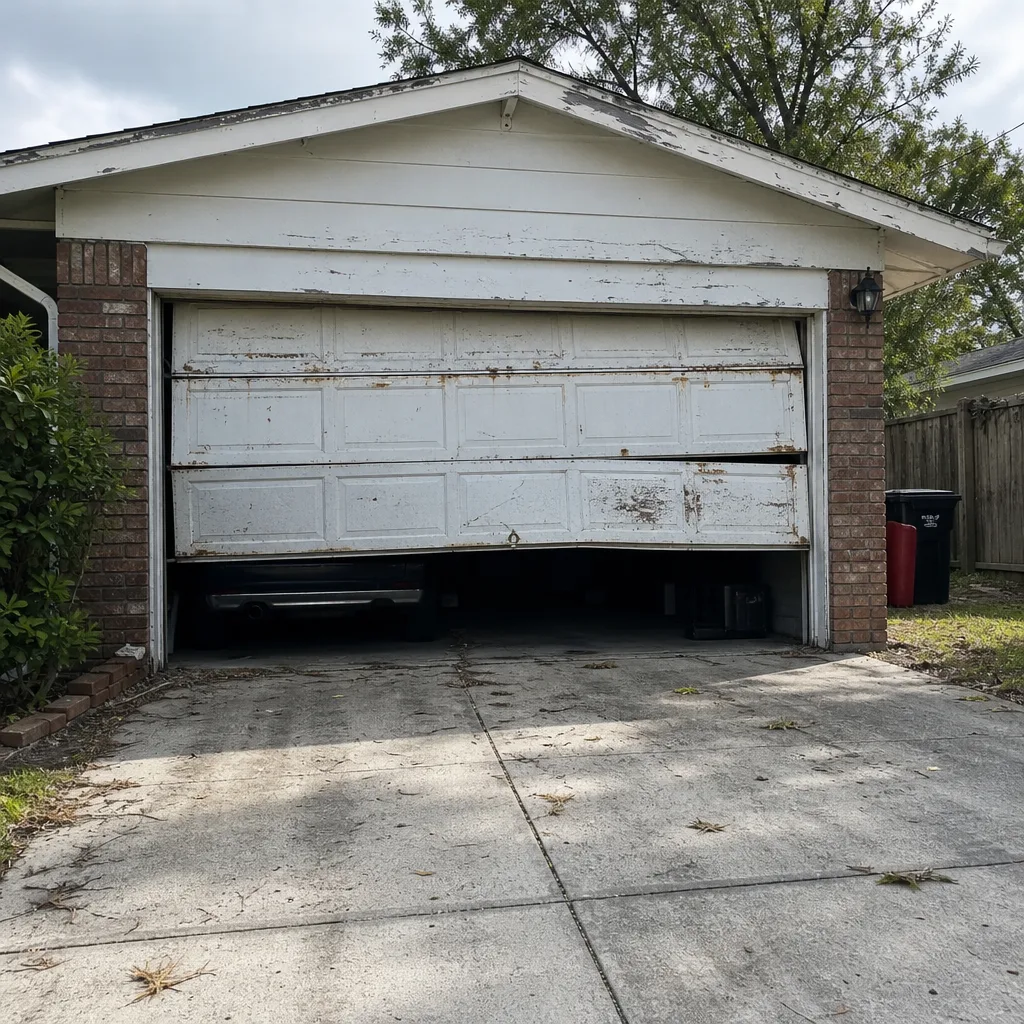 Before
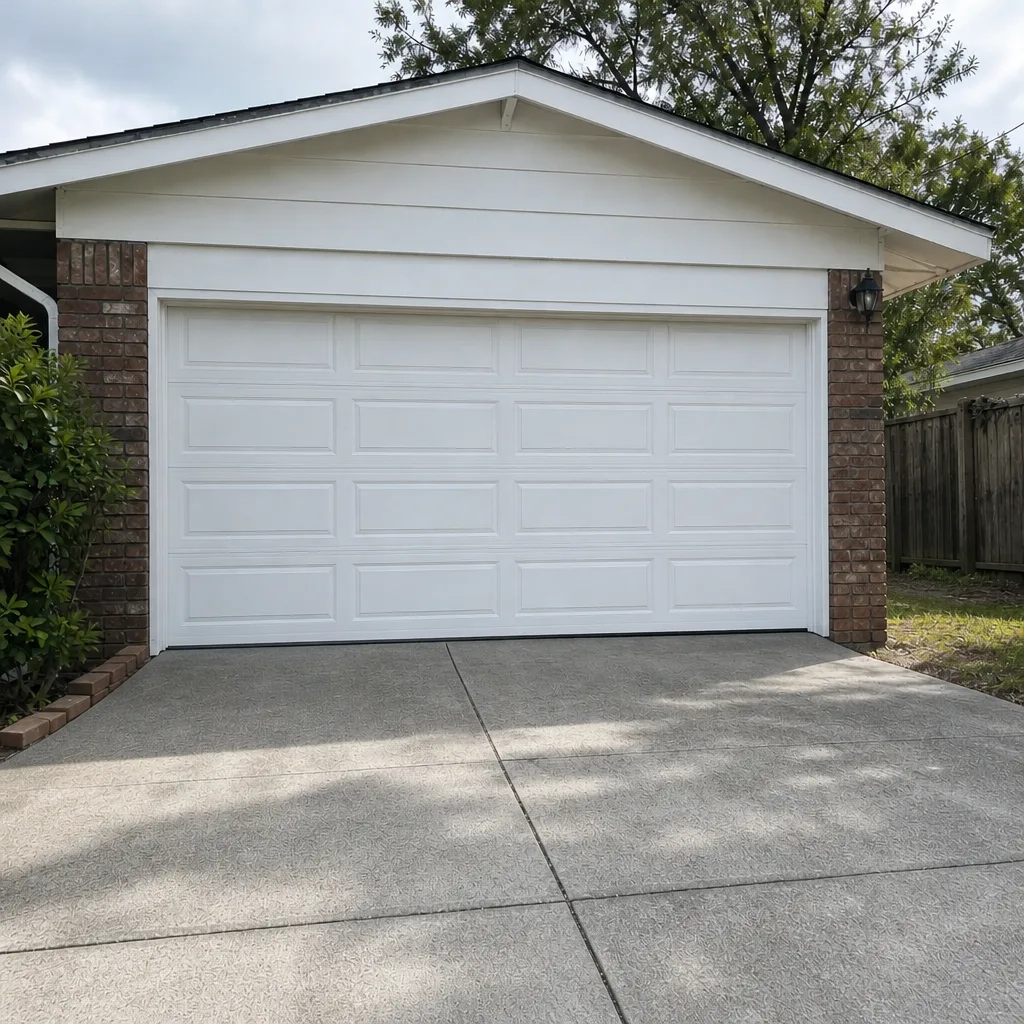 After
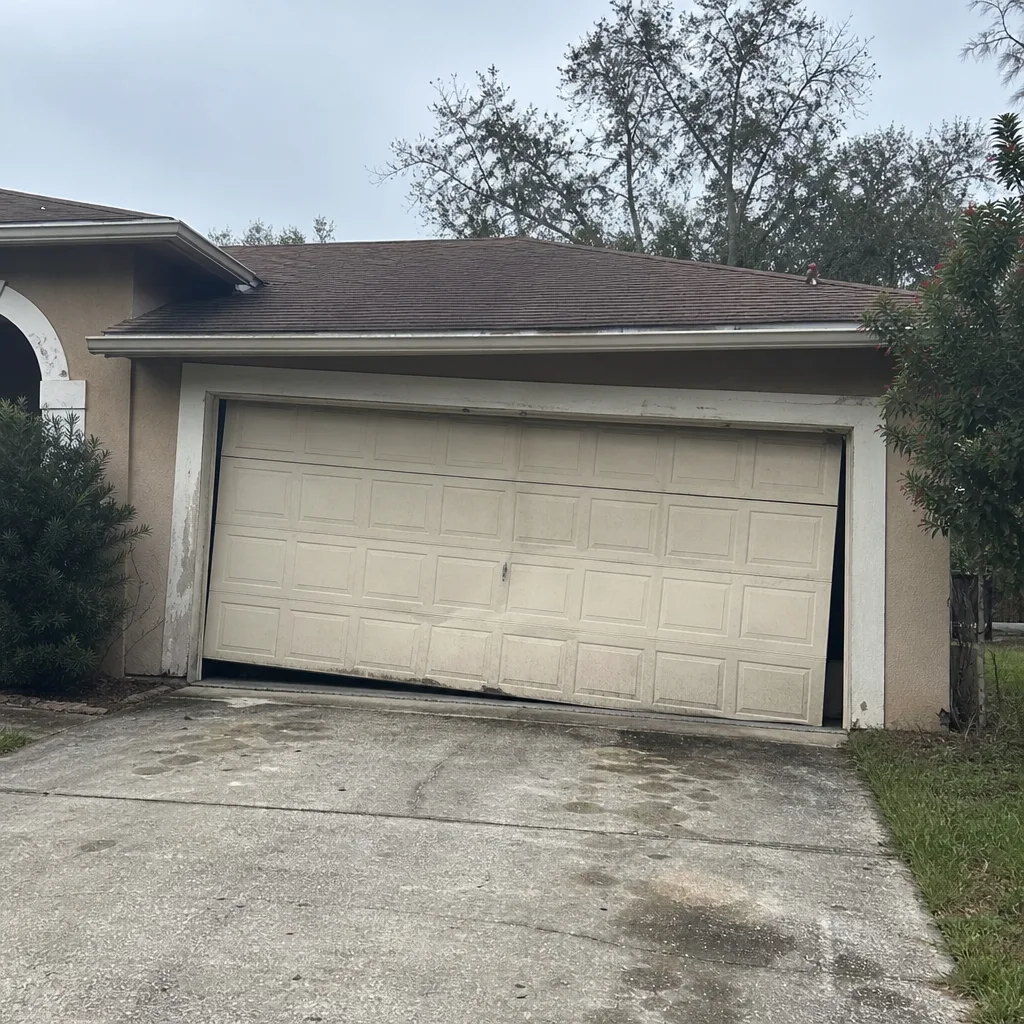 Before
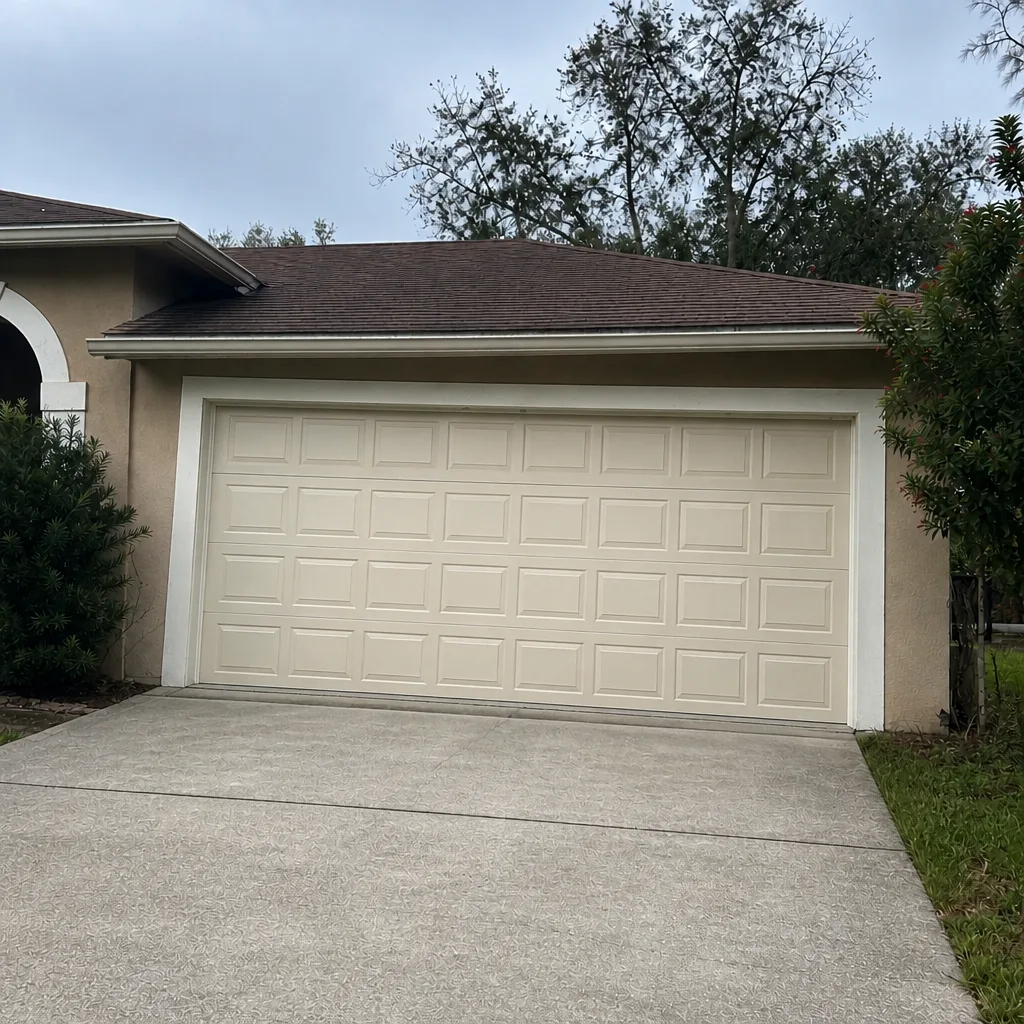 After
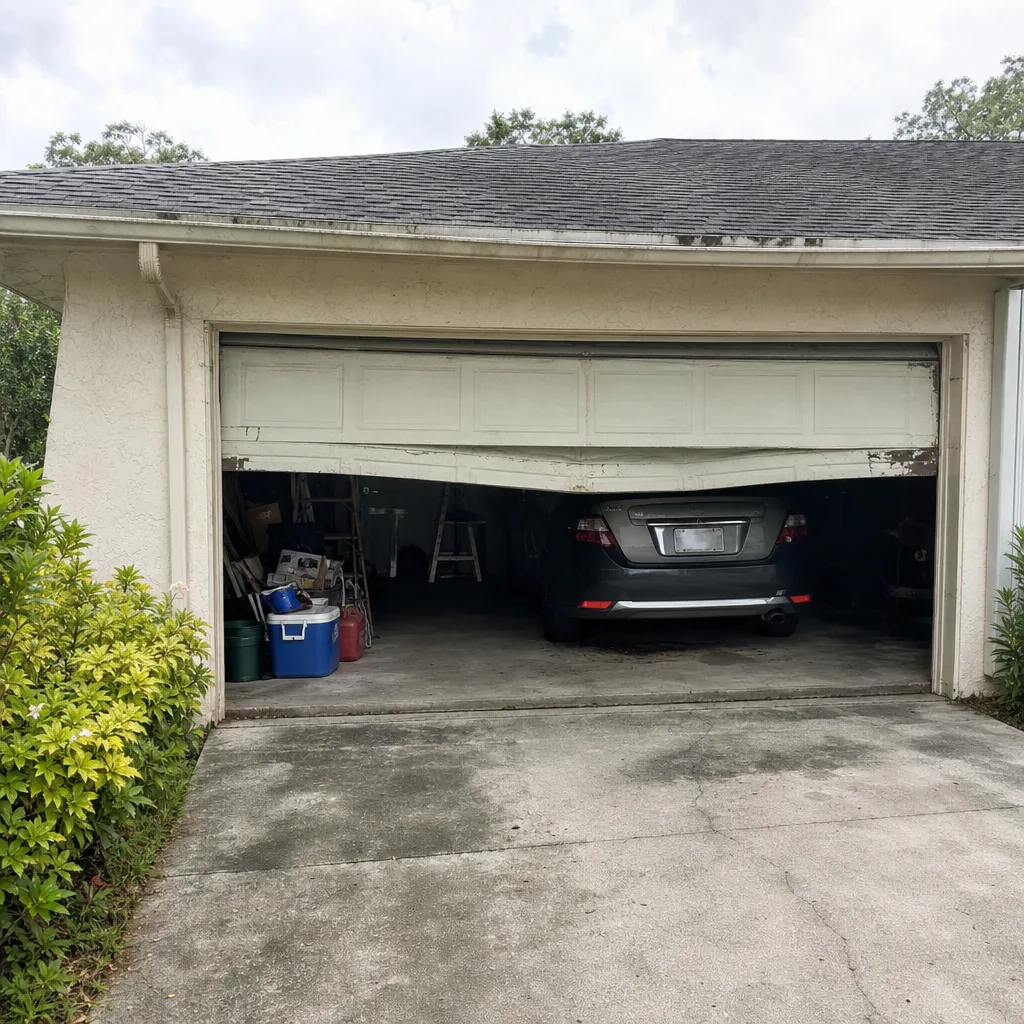 Before
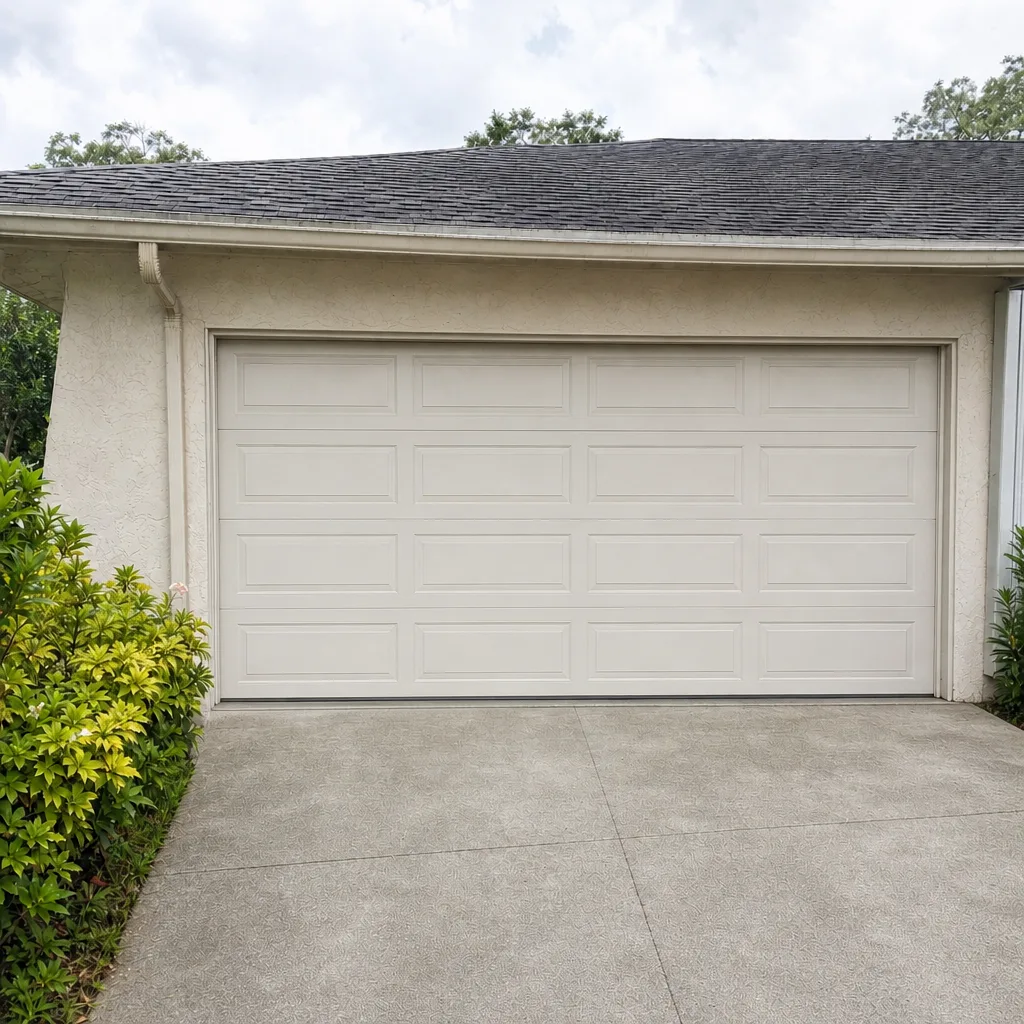 After