Last updated November 21, 2026
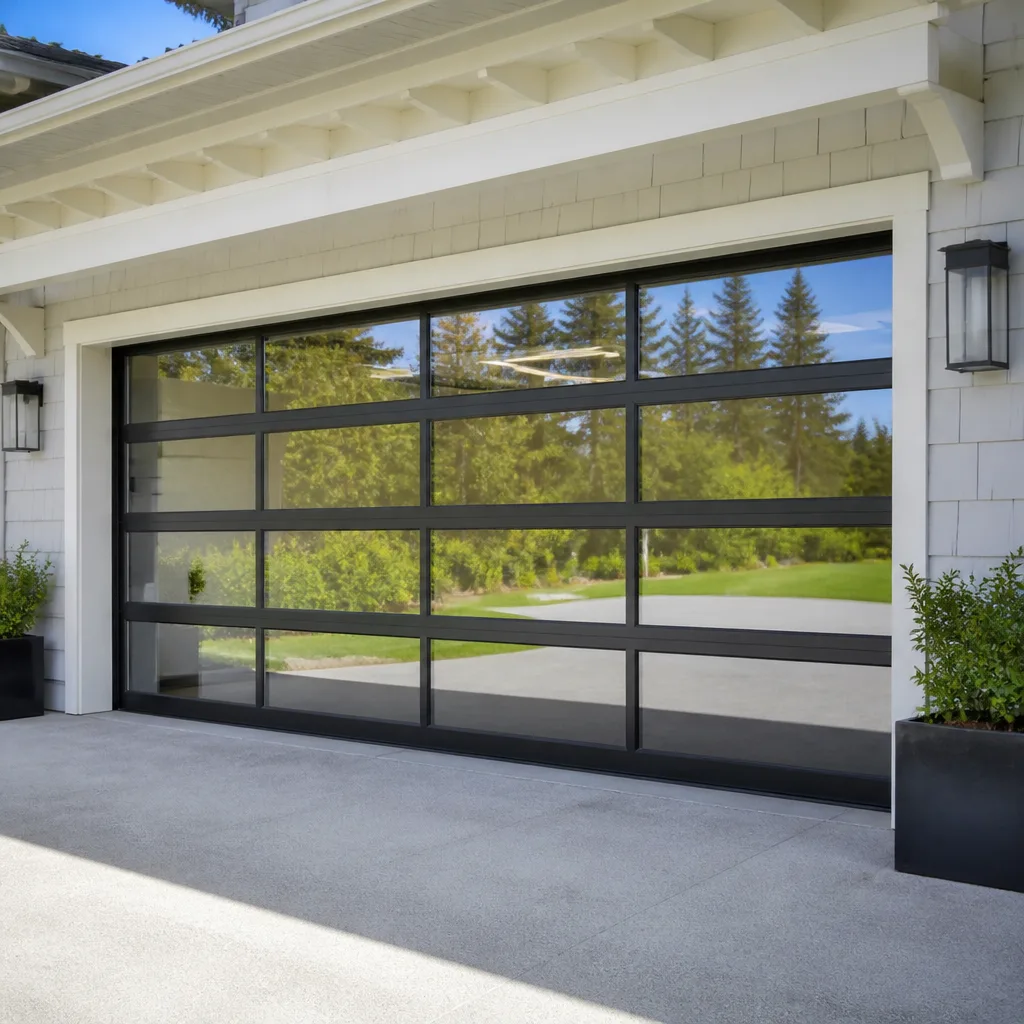 Full-view glass
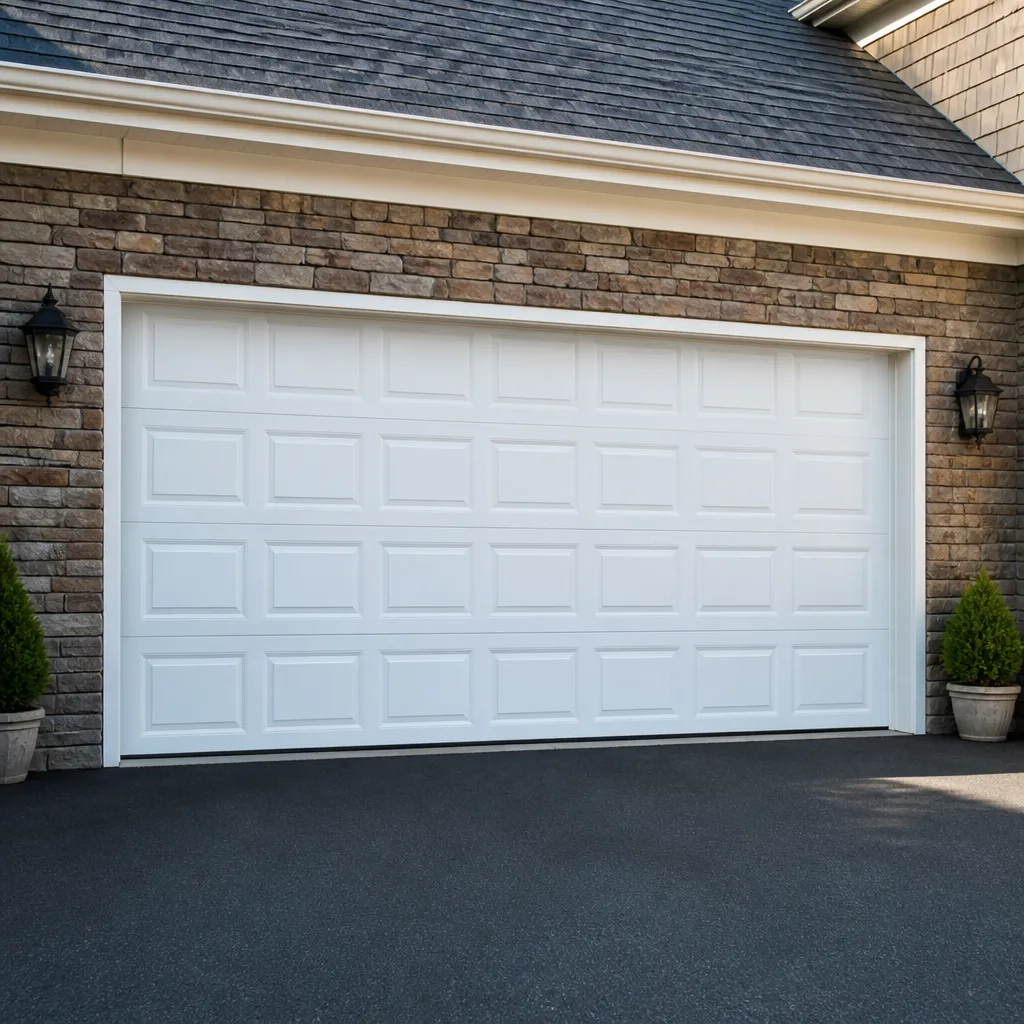 Raised-panel steel
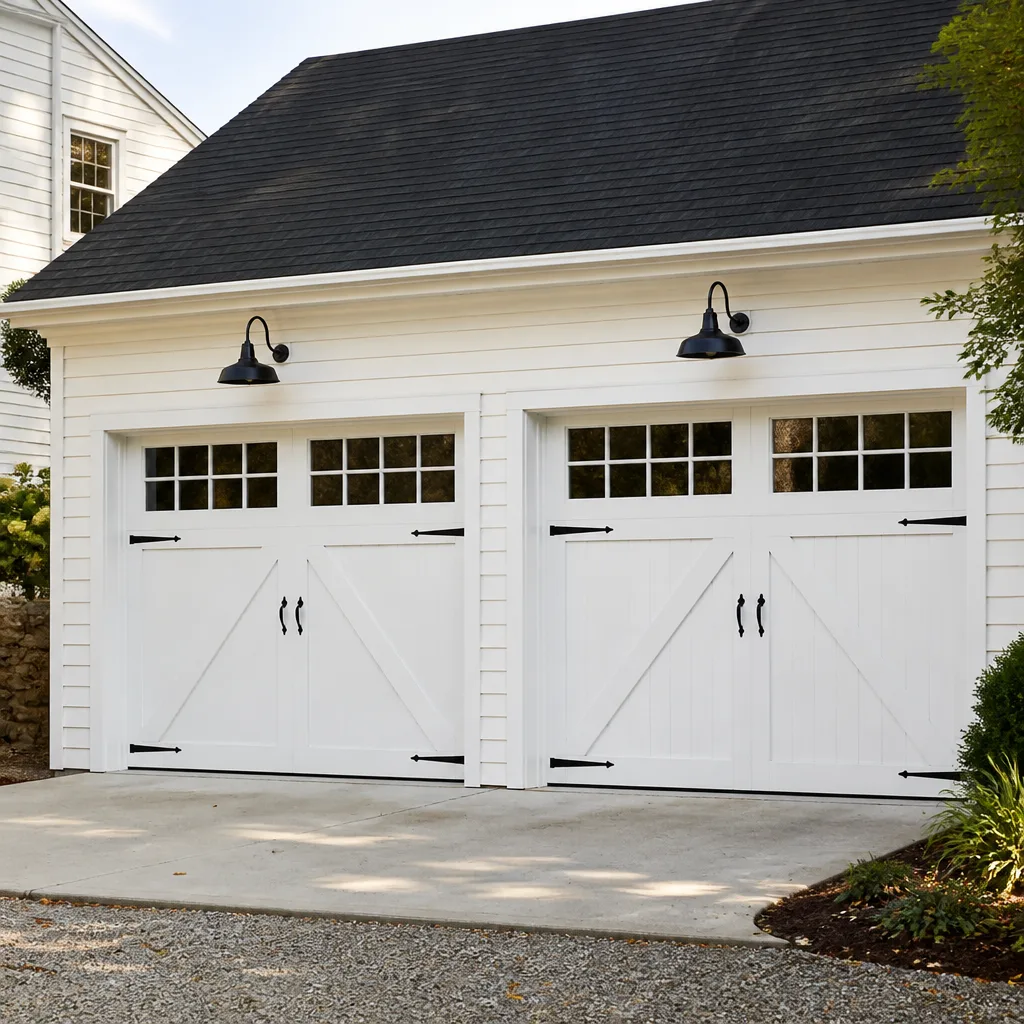 Carriage house
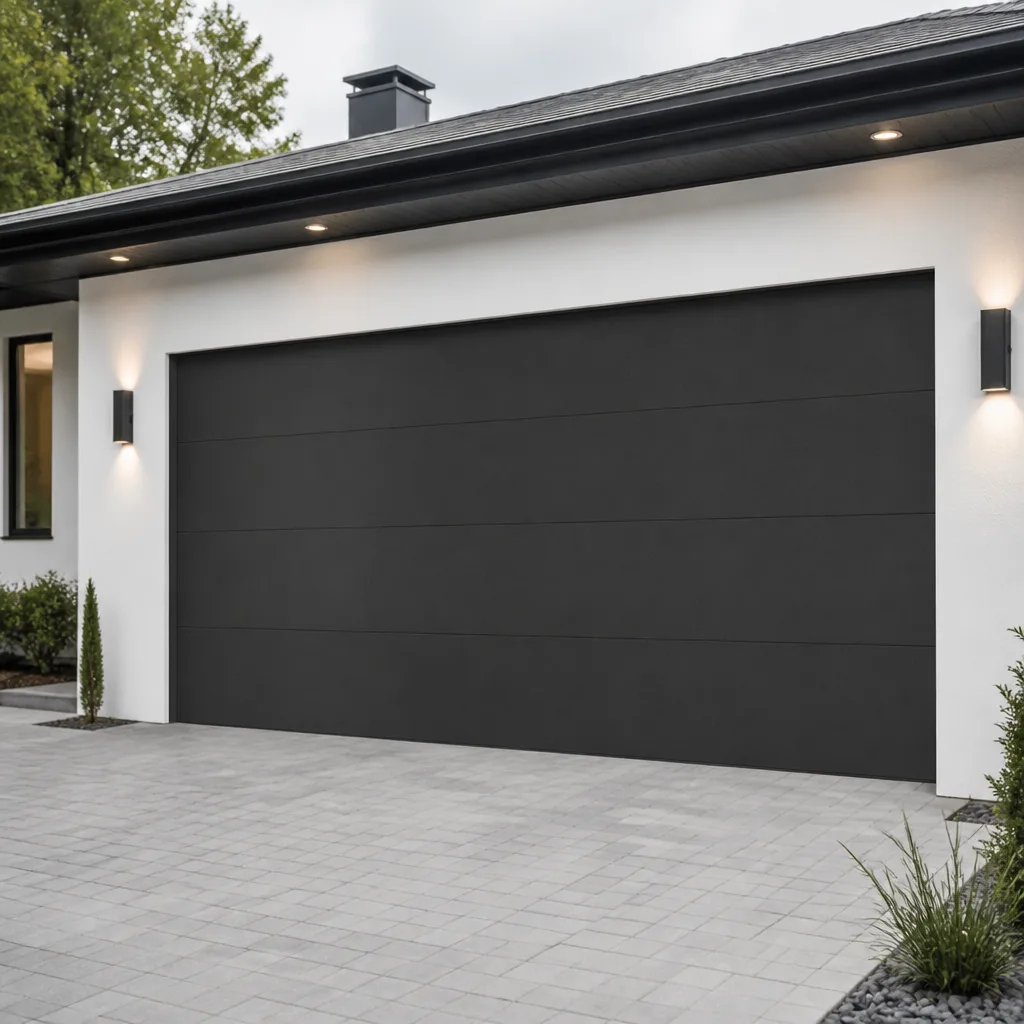 Modern flush
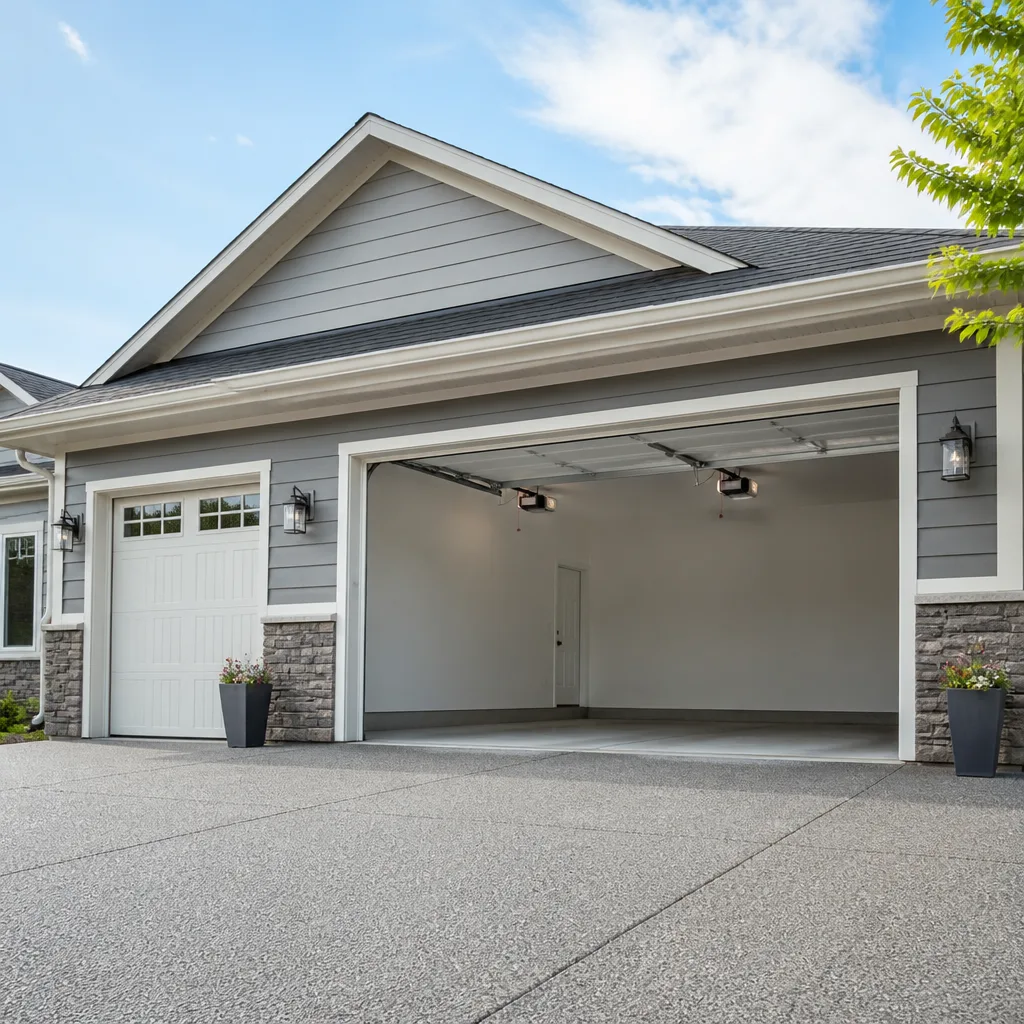 LiftMaster openers
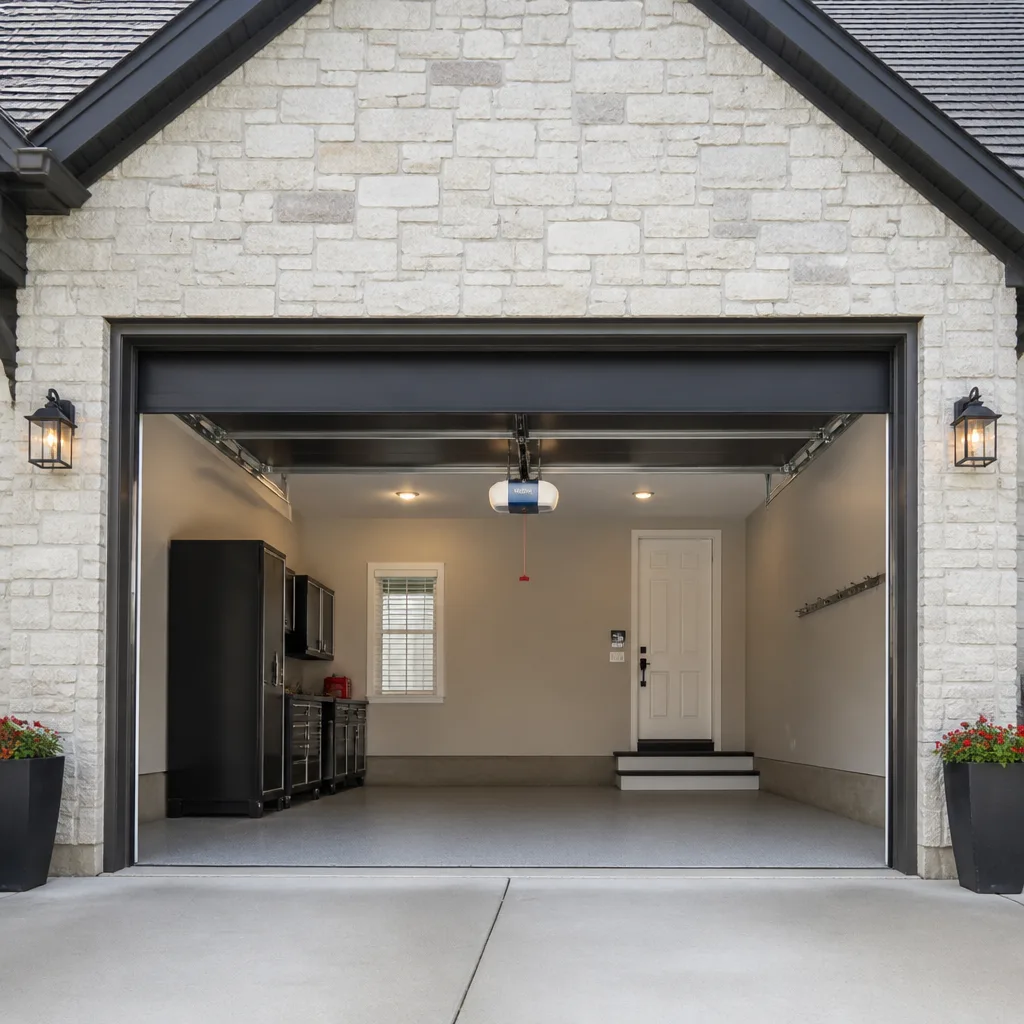 Chamberlain openers
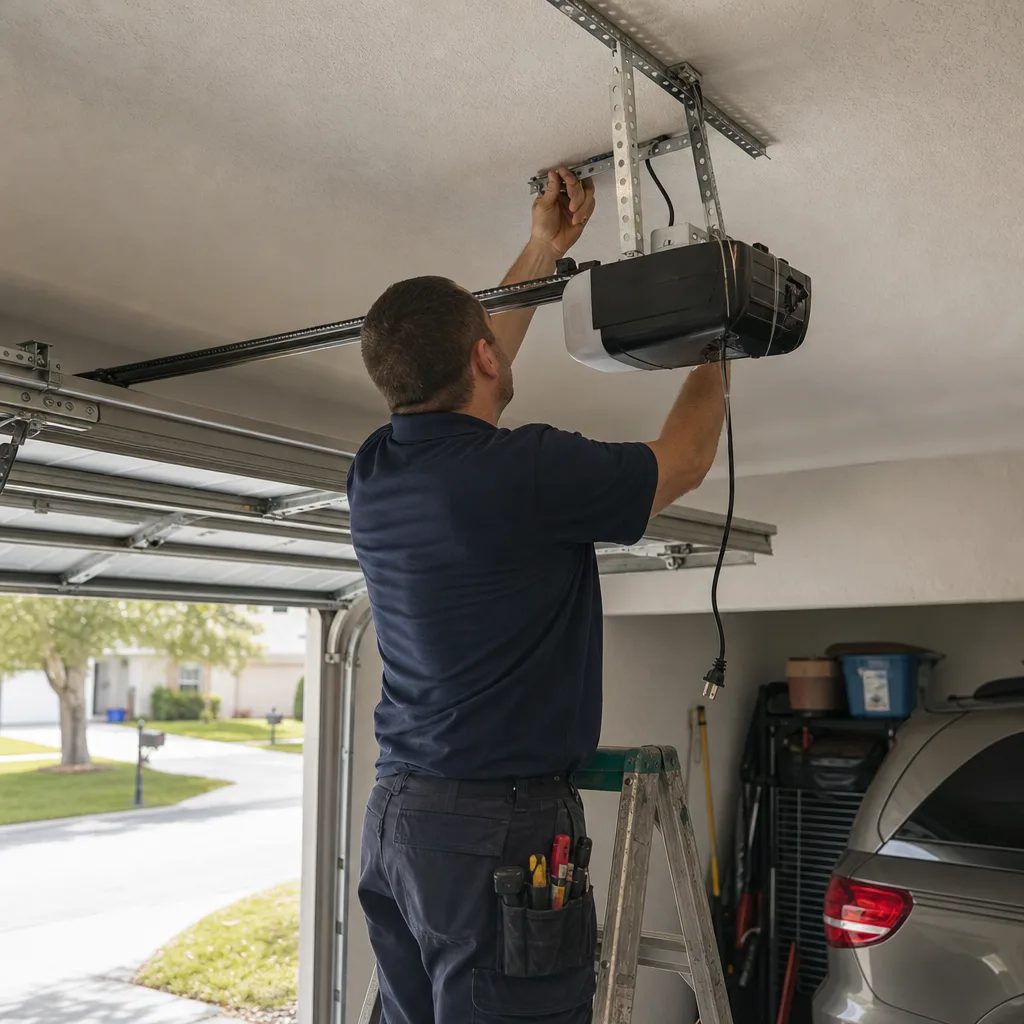
Full 25-point door and opener safety check with every visit - springs, cables, rollers, tracks, and your LiftMaster or Chamberlain opener included
You get a price before we start. It does not change when the pro arrives.
Get your free estimateChoosing the Right Garage Door Brand: A Buyer’s Guide for Riverview
The most-advertised garage door brand in Florida is also one of the hardest to source replacement springs for in Hillsborough County, and we’ve watched that gap turn a broken spring on a Friday afternoon into a whole weekend without a working door. That’s the part nobody mentions in the showroom. Brand loyalty in garage doors is mostly a myth built by dealers who carry a single line and push it regardless of what fits your home. In Riverview, the right brand is the one whose hardware holds up in heavy summer humidity and whose parts you can actually get locally. This guide walks you through how to compare brands on criteria that matter here, from steel gauge to opener ecosystems to the warranty fine print.
Quick Answer
For most Riverview homeowners, the best garage door brand is the one with local parts availability, corrosion-resistant hardware rated for a humid climate, and a technician network that services it – not the brand with the biggest ad budget. Clopay, Amarr, Wayne Dalton, and Raynor all make solid doors for this market, but the deciding factor should be who can repair it fast when something breaks. A brand-agnostic specialist who services all of them can match you to the right fit instead of the one they’re contracted to sell.
Styles & brands we work with
- Raised-panel steel
- Carriage house
- Modern flush
- Full-view glass
- LiftMaster openers
- Chamberlain openers
Table of Contents
- Why Brand Loyalty in Garage Doors Is Mostly a Myth
- The Florida-Specific Criteria That Actually Matter
- How to Compare Steel Gauge Claims Across Brands
- Opener Ecosystem Compatibility: The Smart-Home Trap
- The Case for Brand-Agnostic Service
- Warranty Comparison Framework for a Humid Climate
- How a New Door Gets Chosen and Installed
- Which Brands We Service and Why It Matters
Why Brand Loyalty in Garage Doors Is Mostly a Myth
Garage door brands put enormous money into national advertising, and that money buys mindshare. It doesn’t buy you a working door in Riverview. What actually keeps a door running is a tech who knows the hardware, a spring or cable that can be sourced quickly, and a warranty that covers the parts most likely to fail in a humid climate. Those are brand-specific facts, but the loyalty pitch rarely mentions them.
Here’s the reality we’ve seen again and again. A homeowner buys the most-advertised door. Five years later a spring snaps, and the local dealer who sold it doesn’t stock the replacement, or the nearest authorized service center is a county away. In a market where a broken door means a car trapped in the garage or a house left open, that latency matters far more than which name was on the box.
So flip the question. Instead of “which brand is best,” ask “which brand can my Riverview home actually live with long-term.” That question has answers you can verify:
- Who stocks the parts? A brand with distribution reachable in the Tampa Bay area gets repaired faster than a prestige import.
- Who services it? If technicians in Riverview know the brand’s hardware, routine repairs are faster and cheaper.
- Does the hardware survive humidity? Steel, hardware, and finishes all degrade differently in a subtropical climate.
- Is the warranty real? A beautiful warranty from a brand nobody can service locally is a document, not protection.
We’re a multi-brand operation, which means we don’t have a horse in the race. We can tell you honestly that the “best” brand changes depending on the door, the opener, the budget, and the specific configuration of your garage. That’s the whole thesis of this guide.
The Florida-Specific Criteria That Actually Matter
Buying a garage door in Riverview is not the same as buying one in Ohio. The criteria below are the ones we weight most heavily when advising a homeowner, and they’re the ones most dealer brochures skip.
1. Corrosion resistance
The Tampa Bay region runs hot and humid for most of the year. That’s hard on every exposed metal component – hinges, rollers, springs, tracks, and fasteners. Brands that use galvanized or zinc-plated hardware hold up noticeably better than brands that paint standard steel and call it a day. When you compare brands, ask what the hinge and roller material actually is, not just the door panel. Panel durability is the easy sell; hardware is where doors fail.
2. Wind-load options
Wind ratings on garage doors are determined by local building codes, and codes in this part of Florida take wind seriously. The specific rating your door needs depends on your home’s location and construction, so confirm with the building department before you buy. What matters for brand comparison is that the manufacturer offers wind-load-rated doors and certified reinforcement options. A brand with no engineered wind-rated line isn’t a serious candidate for a Riverview install. Ask for the wind-load documentation on the specific model, not just the brand’s marketing page. Sectional door manufacturers like Amarr and Clopay both publish wind-load ratings on individual models, and that’s what a permit reviewer will look at.
3. Local parts availability
This is the criterion most buyers ignore, and it’s the one that bites hardest. A spring is the failure point on almost every door. If a brand’s springs, cables, and rollers can be sourced quickly in Hillsborough County, a repair is a same-week job. If they can’t, you’re waiting on a shipment. Ask your installer: what happens the day after the warranty ends and a spring breaks? The answer should be a phone call and a truck, not a shipping label.
4. Technician certification density
A brand is only as good as the number of techs near you who know it. In a metro market like Tampa Bay you’ll find more certified service coverage for the widely distributed brands. A smaller or imported line may have excellent engineering and thin service coverage. For a Riverview homeowner, wide service coverage is worth more than a marginally nicer panel.
Weigh those four criteria together and the answer for most Riverview homes is a brand with reachable distribution, humidity-rated hardware, and a written wind-load rating on your model. Reputation on TV doesn’t factor in.
How to Compare Steel Gauge Claims Across Brands
This is where brand comparison gets genuinely slippery. The steel gauge number stamped on one manufacturer’s spec sheet is not directly comparable to another manufacturer’s number, and dealers know it. “24-gauge” from one brand can mean a thinner or differently processed steel than “24-gauge” from a competitor.
Gauge is a thickness measure, but it describes raw steel before finishing, before coating, before lamination, and before any structural shaping. Two brands can print the same gauge and deliver doors with different stiffness, different dent resistance, and different lifespans. The number alone tells you less than it seems to.
Here’s how to compare instead of trusting the number:
- Look at the steel before the label. A showroom or sample panel will show you how rigid the door feels when you press it. That’s a more direct signal than the gauge number.
- Ask about the coating system. A polyester or powder coat on steel holds up very differently from a painted finish. For a Florida climate, the coating is the corrosion barrier.
- Check the insulation and backing. Doors with polyurethane or polystyrene cores add structure. An insulated door resists dents and dings better than a bare steel panel, especially in a hot garage.
- Read the structural warranty, not just the finish warranty. If a brand stands behind the steel structure for years, that tells you more than a gauge claim.
- Compare like models, not brand averages. Every major brand makes entry, mid, and premium lines. A premium 24-gauge from one brand is not a budget 24-gauge from another.
We’ve seen both ends of this. A well-built mid-gauge door from a manufacturer with tight tolerances will outlast a loose-gauged premium line. The gauge number is one input among many.
Opener Ecosystem Compatibility: The Smart-Home Trap
Here’s a scenario we’ve seen more than once in the Tampa area. A homeowner buys a new door from one source and a new smart opener from another, assuming they’ll work together. They mostly do – the door doesn’t care what opens it. But the smart features, the app, the voice control, and the integrations are where ecosystems collide and frustration sets in.
Openers are a different brand landscape from doors. LiftMaster and Chamberlain lead the smart-home and connected opener market. Genie has a strong legacy footprint and a solid smart lineup. Craftsman openers are everywhere in older homes and remain reliable, even if the brand’s retail presence has changed over the years. When you choose a new door, you’re usually not choosing a new opener – but when you need both, it pays to think in ecosystems.
The reasons compatibility matters:
- App integration. A connected opener may not integrate with the same smart-home hub as the door’s accessories or your home’s other devices.
- Safety sensors and controls. Brand-specific compatibility can affect how the opener’s safety sensors, wall controls, and remotes work with the door’s operation.
- Warranty interactions. If an opener and door are from incompatible lines and something goes wrong, who’s responsible? It gets murky fast.
- Service simplicity. A single brand or an honest cross-brand setup makes future service easier. Mixed and matched parts can mean a tech has to chase down two different brands of hardware.
The practical answer: choose the door on its merits for your home, then match the opener to the door and your smart-home setup. If you’re pairing a new Clopay or Amarr door with a LiftMaster or Genie opener, have the installer confirm the integration works before you sign.
The Case for Brand-Agnostic Service
A specialist who services every major brand can recommend the actual best fit for your home. A single-brand dealer has an incentive baked into their business model: they can only sell you what they stock, so that’s what they’ll recommend. That’s not a conspiracy, it’s just how a franchise works. It’s also why brand loyalty in this category is mostly marketing.
When you call Riverview Garage Door Repair Co for an install or a repair, you’re getting advice from techs who work on eight major brands every week. That means we can steer you away from a door that won’t last in Florida humidity and toward one that will, even if it’s a brand we don’t advertise heavily. We’d rather you have the right door than the one we’re incentivized to push.
Brand-agnostic service helps you in several ways:
- Honest recommendations. No single-line bias means the advice reflects your home, not a dealership contract.
- Full-lifecycle coverage. One call handles installation, repair, tuning, and emergencies, so you don’t hunt down a different contractor at each stage of the door’s life.
- Faster repair. A tech already familiar with your hardware arrives ready, which shortens visits and saves you money.
- Familiarity with legacy hardware. Craftsman and older Wayne Dalton systems are in many Riverview homes. Multi-brand techs know how to keep them working.
If a door fails and you’re not sure what brand it is, call us. We can identify it and get you back up and running. In a market where a dead door blocks the car, the phone call is the difference between an easy fix and a lost day.
Warranty Comparison Framework for a Humid Climate
Warranties are where brands separate themselves, and most buyer’s guides oversimplify them. There are three separate warranties to compare, and they protect different things.
Panel warranty
This covers the door’s main panels. Look for what the warranty excludes: dents, scratches, and typical wear often fall outside coverage. A panel warranty that only covers structural failure is worth far less than one that holds up against rust in humid conditions. In Florida’s climate, corrosion resistance is the top concern a panel warranty should address. Ask specifically what happens if the paint or finish bubbles, peels, or corrodes. That’s a common failure mode in a subtropical environment.
Hardware warranty
Hinges, rollers, springs, cables, and tracks are the parts that actually fail. Compare how long each brand covers these components and what the remedy is – a replacement part or a full repair service. Some brands cover hardware longer than the panel; some do the reverse. Ask for the hardware term on the exact model you’re considering, because it varies within brands too.
Finish warranty
Finish warranties protect the paint, coating, or lamination. They typically exclude damage from outside causes, and they usually have a shorter term than the structural warranty. In a humid climate, the finish is what protects the steel underneath, so a short finish warranty is a warning sign. A brand confident in its coating will back it longer.
A simple framework for comparing warranties:
- Write down the panel term, hardware term, and finish term for each brand you’re considering.
- Note the exclusions, not just the terms.
- Check whether the remedy is a part, a service call, or both.
- Confirm the warranty transfers if you sell the home.
- Ask who performs the warranty work locally, and how fast.
The best warranty is one a local tech can actually service. A brand with a generous term and no local support is a document you can’t use.
How a New Door Gets Chosen and Installed
Replacing a door is a measured, scheduled job – not an emergency repair. Here’s how the process typically runs when you work with us in Riverview.
- Measure and assess. We measure the opening, check the framing and tracks, and confirm clearance. This is where the right brand and model get narrowed down.
- Compare options with your budget. We walk you through door styles, insulation, wind-load ratings, and opener pairing. You get a written quote before anything is ordered.
- Confirm the wind-load and permit requirements. Most cities require a permit for a garage door replacement, so ask your city’s building department what your home needs. We’ll supply the documentation your permit requires.
- Order the door. Manufacturing and delivery lead times vary by brand and model. We schedule the install once the door is in hand.
- Install and test. The old door and opener settings get balanced and tested. You see the door run before we leave.
- Set up the smart features. If your opener is connected, we confirm the app and remotes are working.
The install day is the easy part. The comparison done beforehand is where the value lives. That’s why we take time upfront – measuring carefully, comparing brands, and checking wind-load needs – rather than rushing to a sale.
If the spring or opener fails during the door’s life, that’s when the repair side matters. We offer dedicated garage door spring repair for the failure points that are genuinely dangerous to handle yourself. Spring replacement is not a DIY repair. A high-tension spring carries serious stored energy and can cause severe injury. We always recommend a trained professional for spring and cable work.
If your opener dies before the door does, our garage door opener repair covers the dominant smart-home and legacy brands, so a decades-old Craftsman and a modern wi-fi-connected unit get the same attention.
Which Brands We Service and Why It Matters
We’re certified to service eight major garage door and opener brands: LiftMaster, Chamberlain, Genie, Clopay, Amarr, Wayne Dalton, Craftsman, and Raynor. That coverage is why we can advise honestly across brands instead of pushing one. It also means that whichever of those brands sits in your Riverview garage, we arrive already familiar with the hardware.
For door brands, Clopay, Amarr, Wayne Dalton, and Raynor all make product lines suitable for this market, and each has its own strengths. Amarr builds strong insulated lines. Clopay has a deep catalog across price points. Wayne Dalton and Raynor have loyal followings among homeowners who value specific styles. On the opener side, LiftMaster, Chamberlain, Genie, and Craftsman cover the smart-home and legacy systems we see most often.
What matters isn’t the list – it’s what the list enables. A brand-agnostic tech can recommend the best fit and service it afterward. When a spring snaps or a door comes off its tracks, we want to be the company that knows your exact equipment, not a generalist guessing at the label. Whatever brand you’ve got, garage door repair starts with identification and ends with a working door.
One thing to know: we won’t claim expertise on a brand outside that list. If you have an unusual import or a discontinued line, we’ll tell you honestly and help you find the right path forward.
Common Mistakes to Avoid
- Choosing a brand from TV ads. National advertising is not a service network. The brand with the biggest budget can still be the hardest to service locally when a spring breaks.
- Assuming “24-gauge” means the same thing everywhere. Gauge is measured before coating and shaping. Two brands can share the number and deliver different stiffness and longevity. Compare model to model, not spec sheet to spec sheet.
- Buying the door before checking local parts availability. If the springs and cables aren’t reachable in Hillsborough County, every repair turns into a shipping wait. Ask your installer what happens the day after the warranty ends.
- Ignoring the opener ecosystem. Pairing a smart opener and a door from incompatible lines can leave app integration broken or the warranty tangled. Match the opener to the door and your smart-home setup.
- Treating the warranty as a single number. Panel, hardware, and finish warranties protect different things and have different exclusions. A long panel term means little if the hardware term is short.
- Skipping the wind-load check. Codes in this part of Florida take wind seriously. Confirm with the building department what your door needs before you order, and ask for the model’s wind-load documentation.
- Replacing a door when a repair is the real answer. A failing spring or opener doesn’t mean you need a new door. A brand-agnostic tech can tell you which repairs are worth it – and which aren’t.
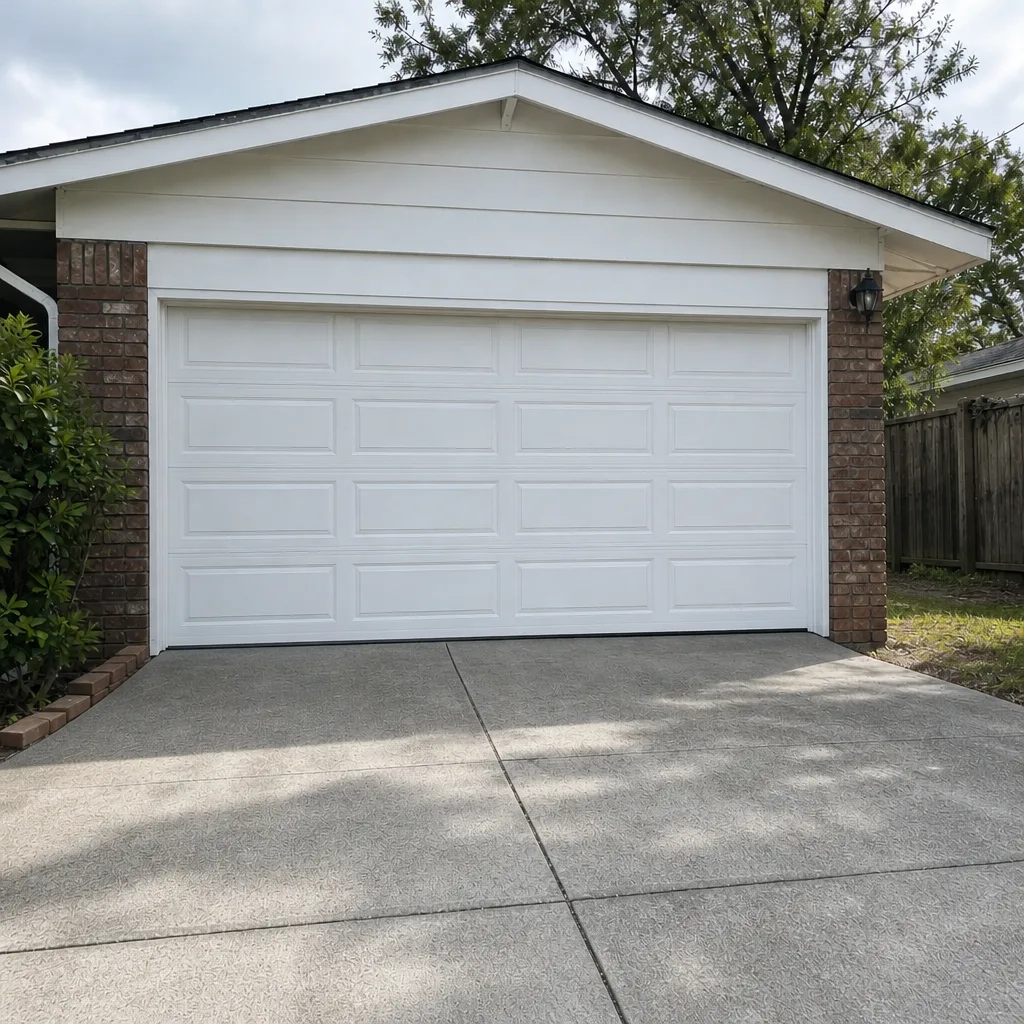
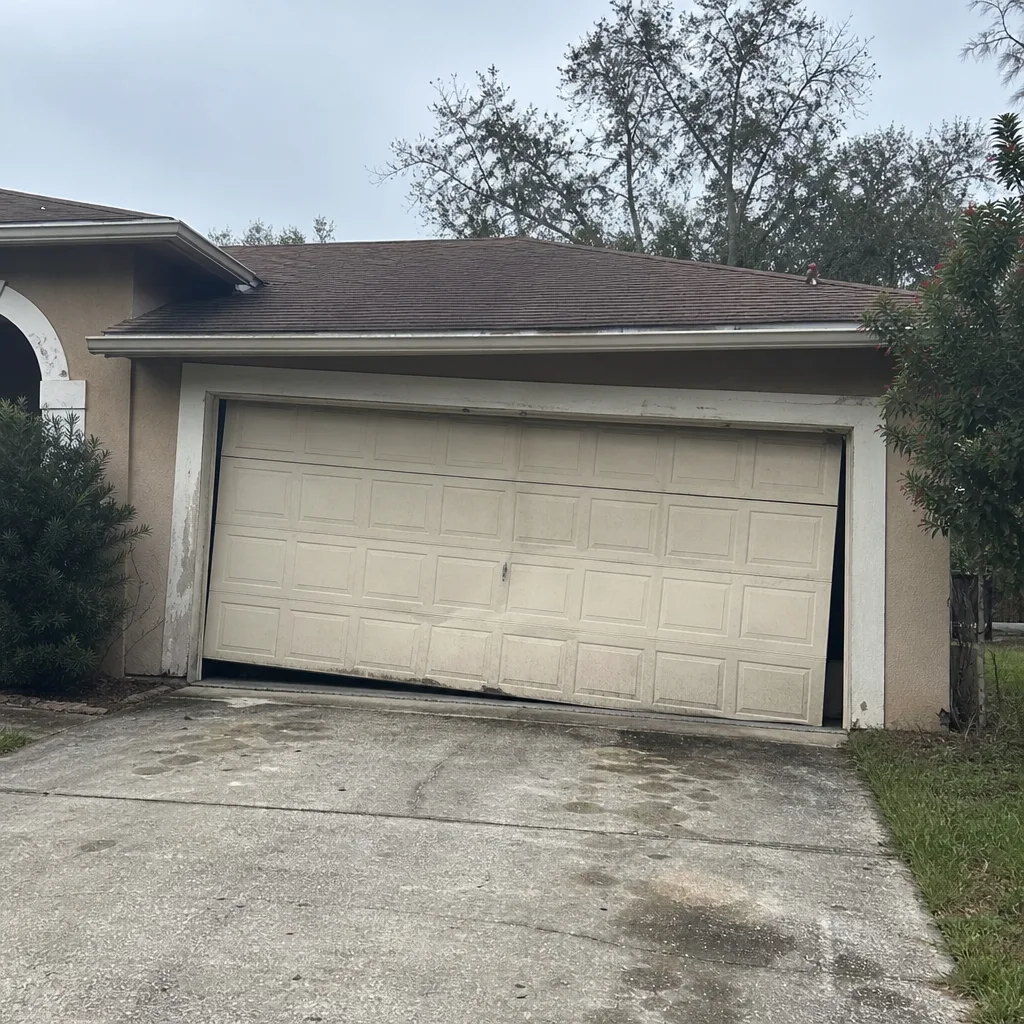
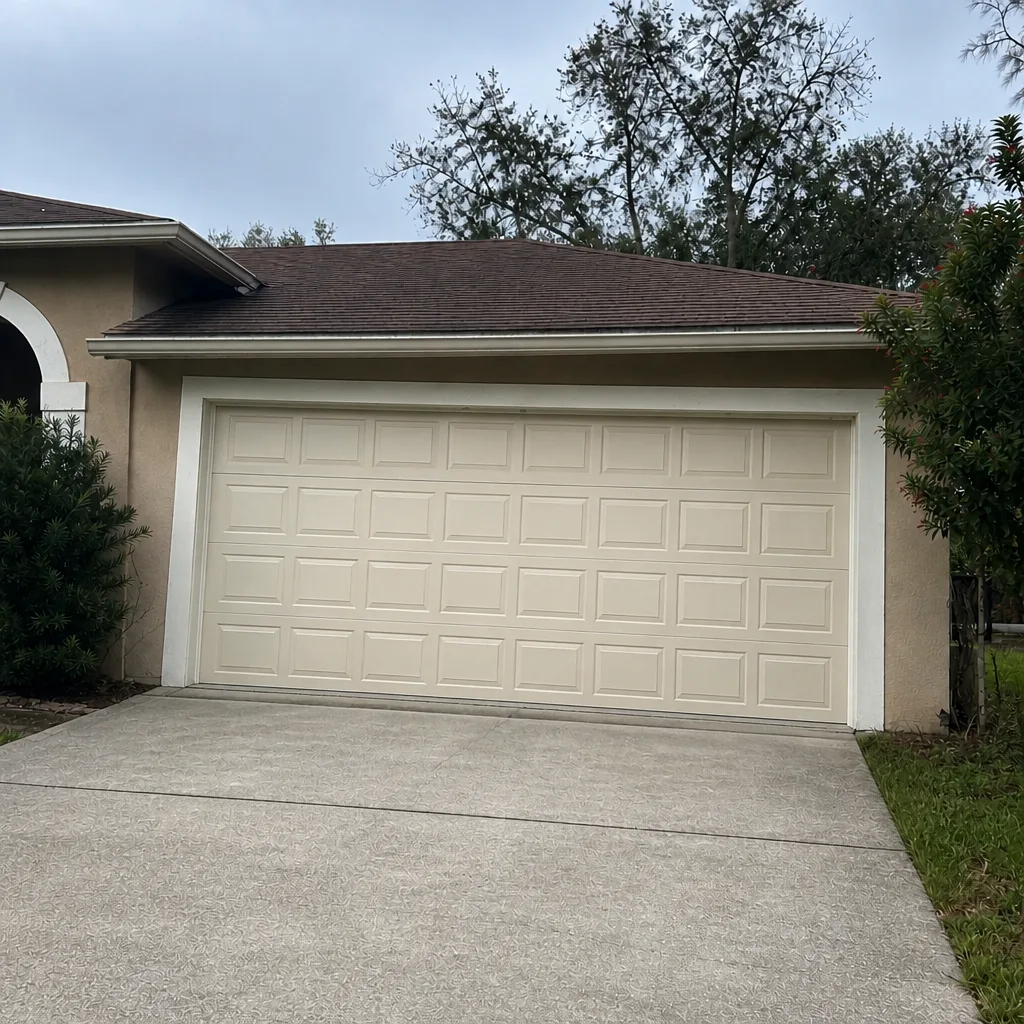
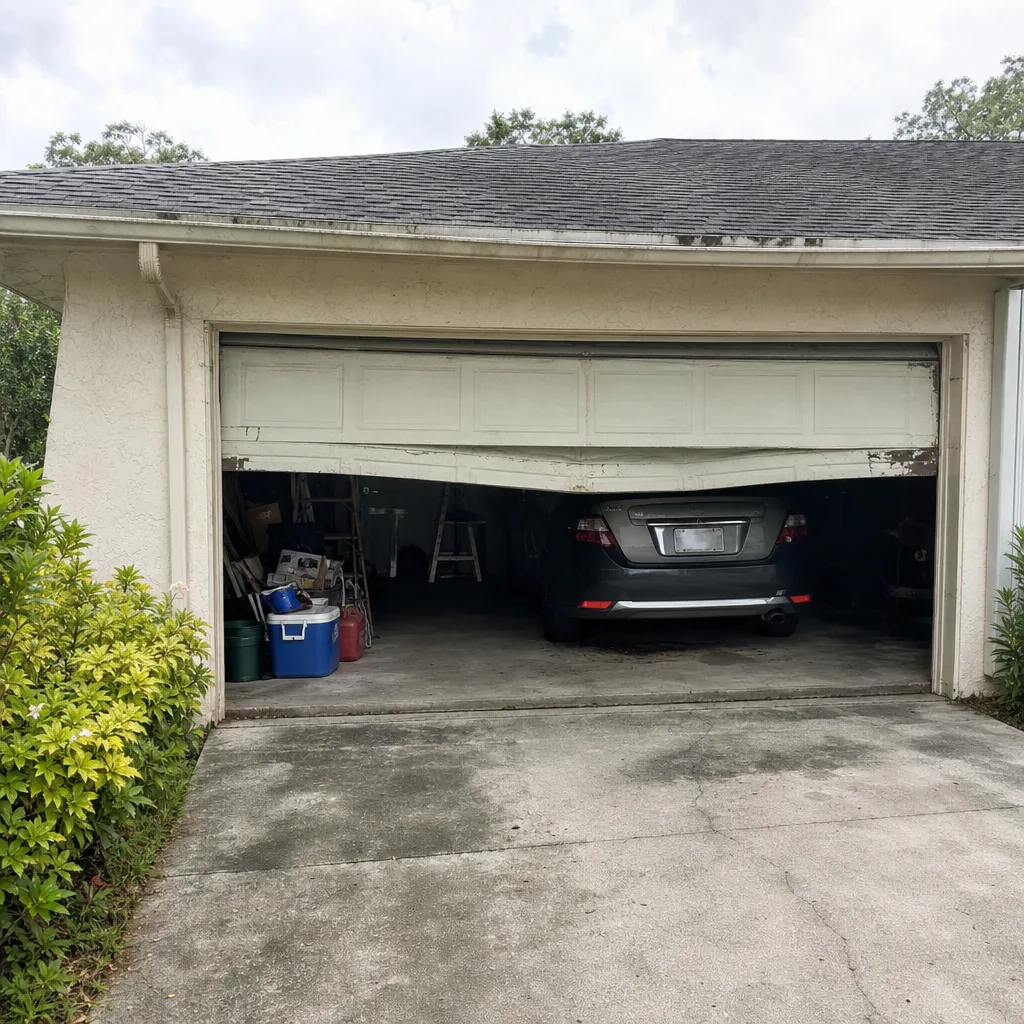
See the difference
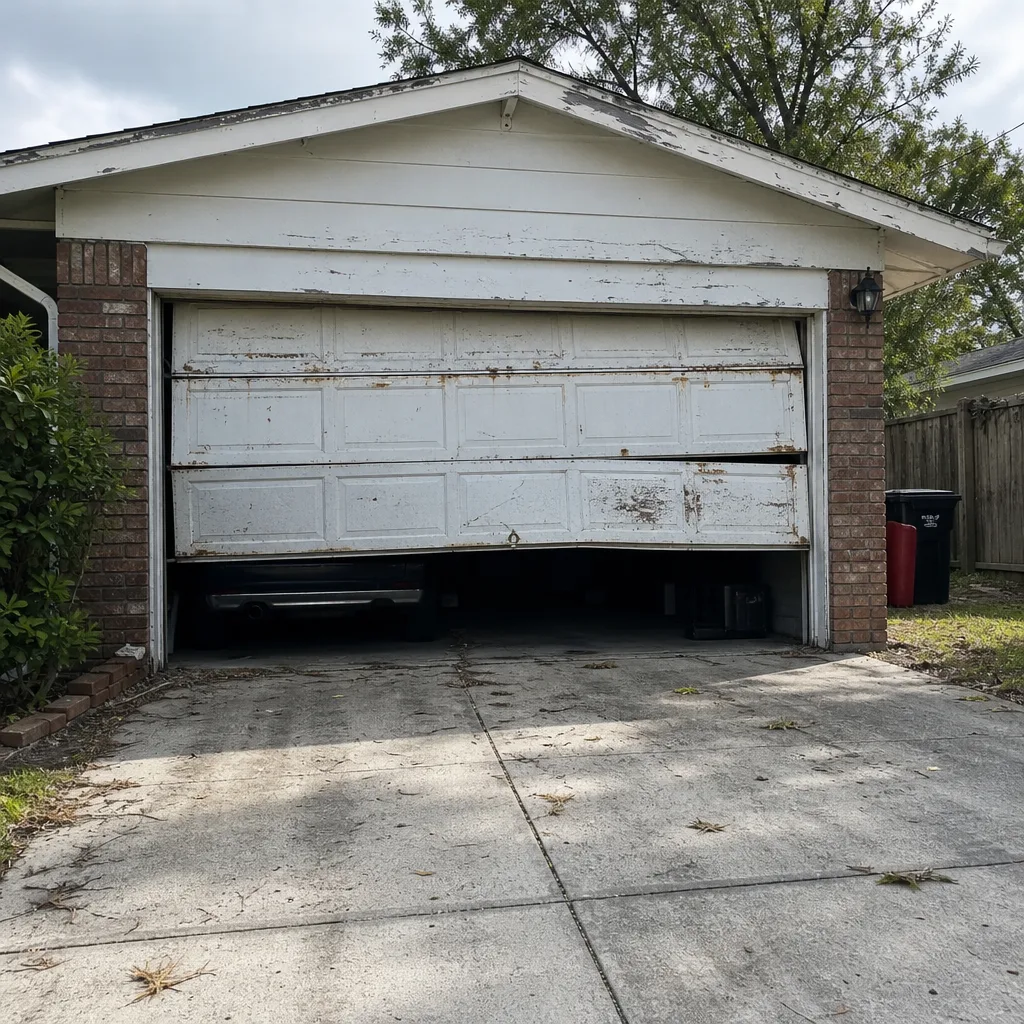 Before
 After
 Before
 After
 Before
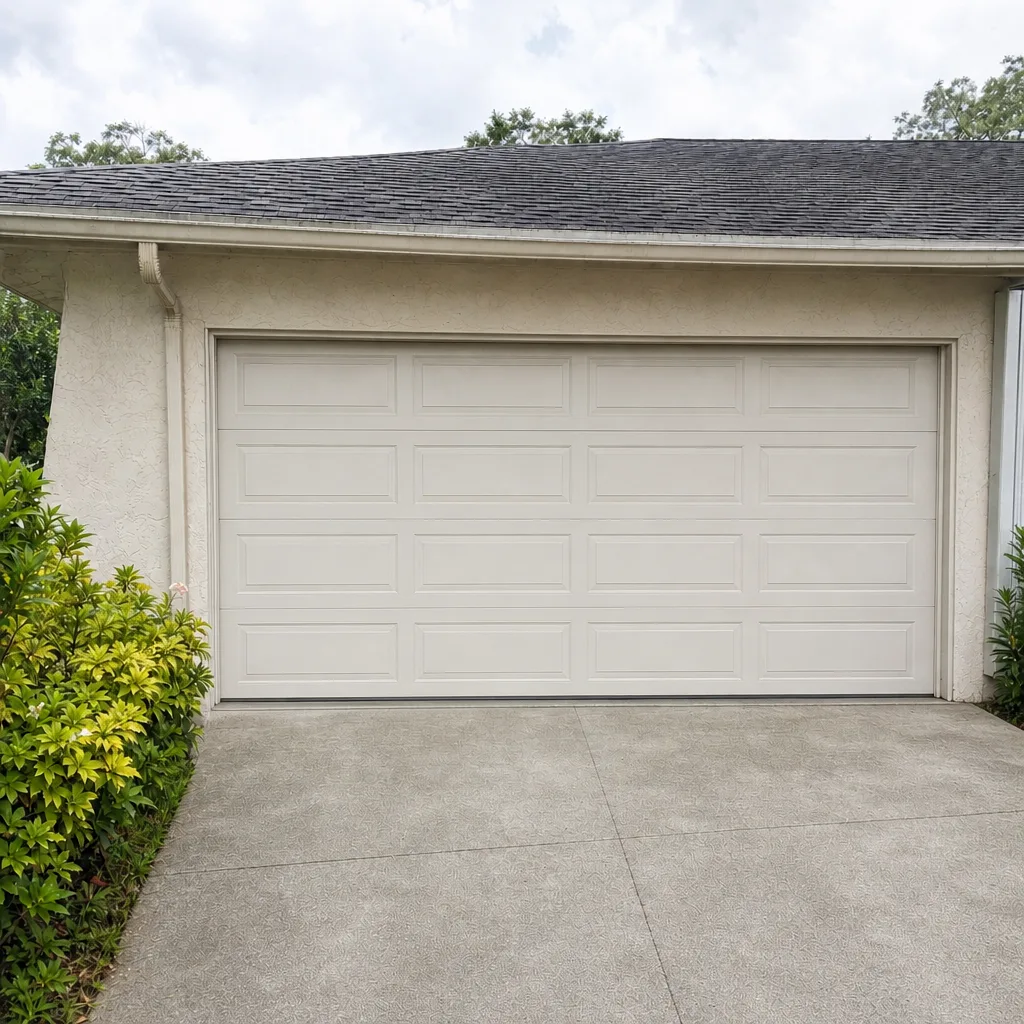 After
When to Call a Professional
Call a professional for any failure that involves springs, cables, or a door that’s come off its tracks. Those carry real injury risk and should never be a DIY project. Call when the door won’t close and the house is exposed, when the opener runs but the door doesn’t move, when a door is visibly uneven or twisted, when it’s making new grinding or popping noises, or when you’re considering a replacement and comparing brands. If you’re unsure whether it’s a repair or a replacement job, a visit from a tech answers that quickly. Riverview Garage Door Repair Co offers free estimates in Riverview. Call (866) 521-4006 to get a written quote before any work begins.
Emergency service matters too. A door that won’t open in the morning or won’t close at night is a real problem. We’re set up to respond to emergency calls, so call us and we’ll book the soonest available time. If a door fails on a Saturday, call and we’ll schedule you for Sunday.
Frequently Asked Questions
For most Riverview homes, the best brand is the one with local parts availability, humidity-rated hardware, and a written wind-load rating on the model you choose – not the most-advertised name. Clopay, Amarr, Wayne Dalton, and Raynor all make solid doors for this market, but availability and service coverage decide the outcome. A brand-agnostic specialist can recommend the actual fit rather than the line they’re contracted to sell. Call (866) 521-4006 for a free estimate and a brand comparison tailored to your home.
No. A 24-gauge rating from one manufacturer is not directly comparable to another manufacturer’s 24-gauge, because gauge describes raw steel thickness before coating, lamination, and structural shaping. Two brands can print the same number and deliver doors with different stiffness and lifespan. Compare specific models, look at the coating system, and ask about the structural warranty before you decide. A written comparison from a local pro is worth more than any spec sheet. Call (866) 521-4006 to walk through the options.
Most cities require a permit for a garage door replacement, so ask Riverview’s building department what your home needs before you order. Requirements vary by door type, location, and wind-load rating, and the permit reviewer will look for wind-load documentation on the specific model. We supply the documentation your permit requires, but the rule itself comes from the city. If you’re unsure, call us and we’ll walk through it.
No. Spring replacement is not a DIY repair. High-tension springs and cables carry stored energy that can cause severe injury, and the wrong adjustment can damage the door or the opener. That’s why we offer dedicated spring repair as a separate service and recommend a trained professional for any spring or cable work. If a spring has snapped or the door feels heavy or unbalanced, stop using it and call (866) 521-4006 for a free estimate.
No. You get a written quote before any work starts, and the estimate sets the final price. We quote based on the door, the failure point, and the parts needed, and the price you agree to is the price you pay. If a repair uncovers something unexpected during the job, we discuss it with you before proceeding, never after. Call (866) 521-4006 for an exact quote – estimates are free.
The local professionals we connect you with are licensed and insured as their state requires, so the work is covered and documented. We work with vetted local technicians who know the brands we service and carry the coverage required in Florida. If you want to see specific credentials before work begins, ask and we’ll provide them. Call (866) 521-4006 to schedule.
The Bottom Line
Brand loyalty in garage doors is a sales tactic more than a technical reality. For a Riverview home, the right brand is the one whose hardware survives the humidity, whose wind-load ratings fit your home’s code requirements, whose parts you can source locally, and whose service coverage in the Tampa Bay area is dense enough to respond fast. Steel gauge comparisons only work model to model. Opener ecosystems only matter when they clash. Warranties mean little without local support. If you take one thing from this guide, let it be this: pick a brand-agnostic specialist who services all the majors, and let the recommendation come from your home rather than a dealership contract.
Whether you’re repairing a snapped spring or planning a full replacement, Riverview garage door repair should start with knowing your exact equipment. Our technicians have up to 8 years of experience across eight major brands. If you’re ready to compare options or just need a door back in service, call (866) 521-4006 for a free estimate.
Written by the team at Riverview Garage Door Repair Co.