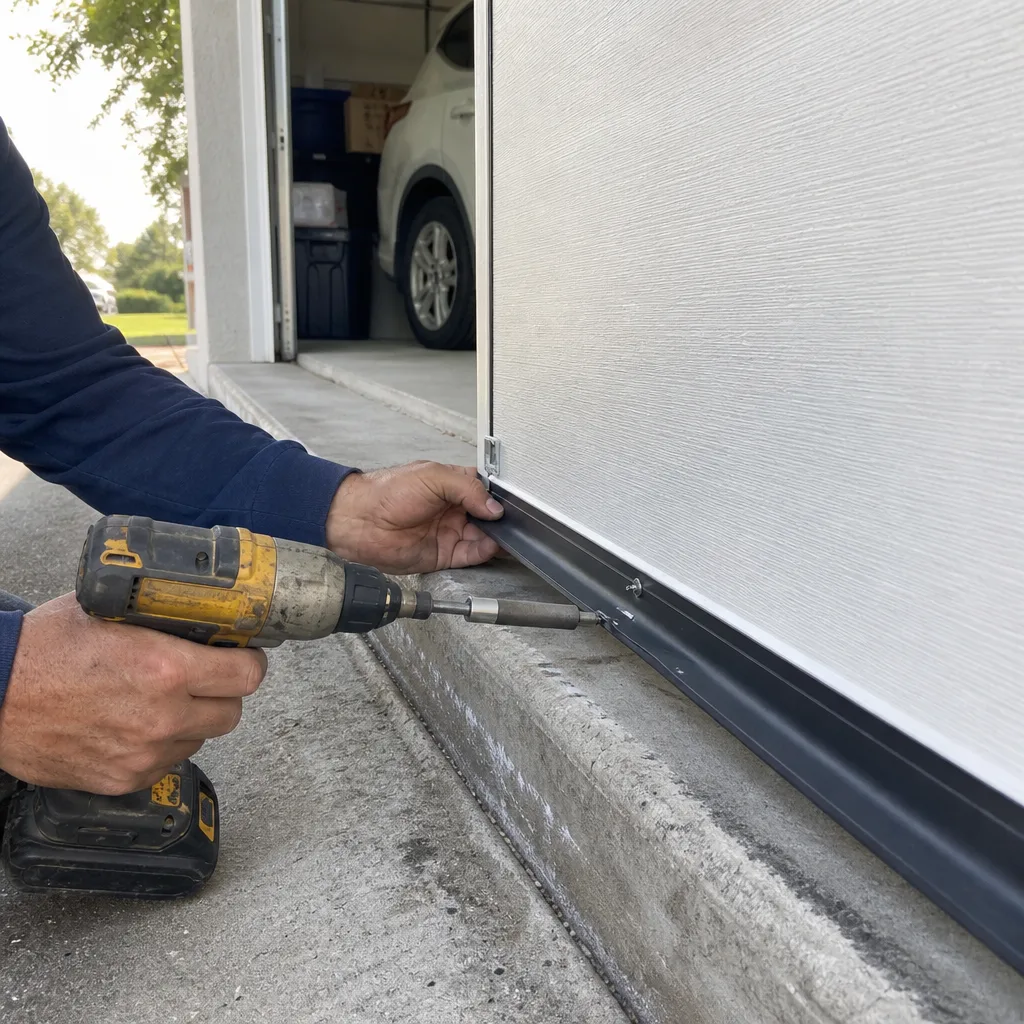
Last updated November 21, 2026
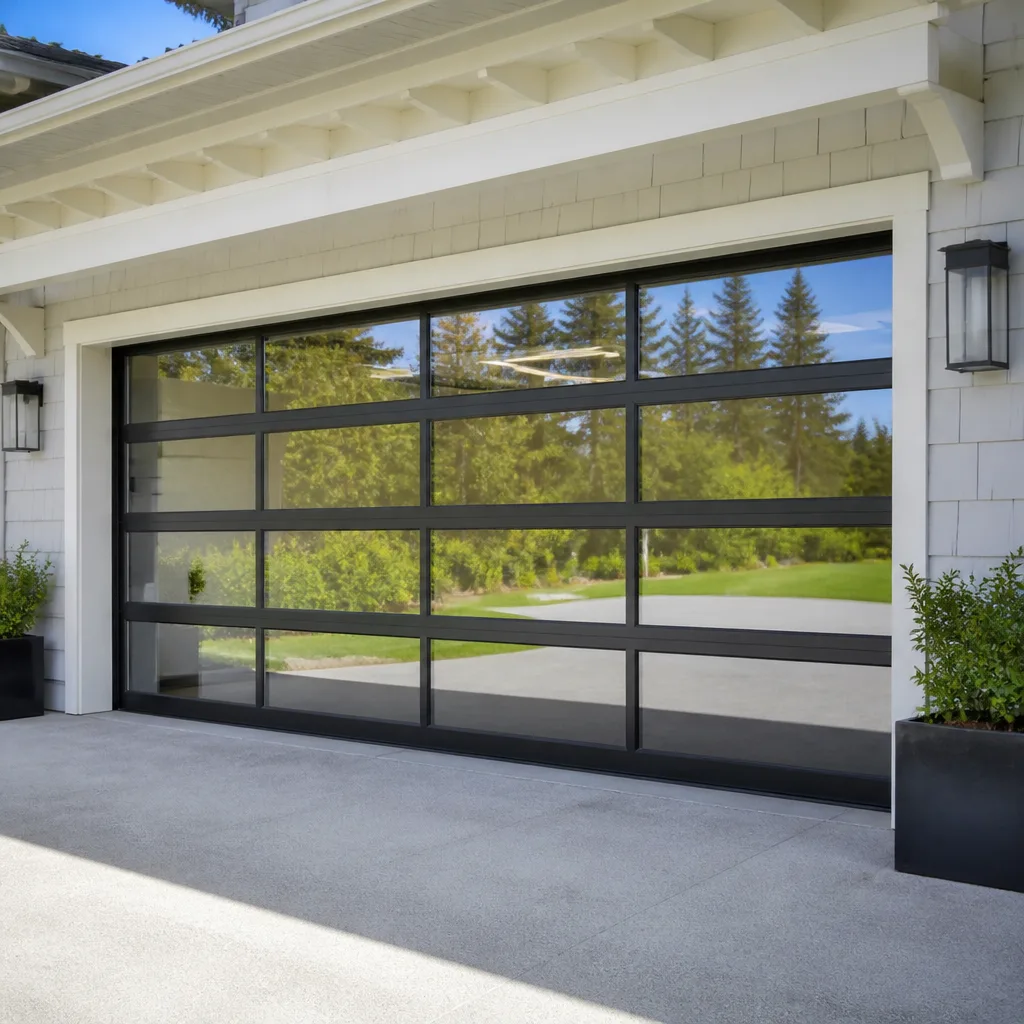 Full-view glass
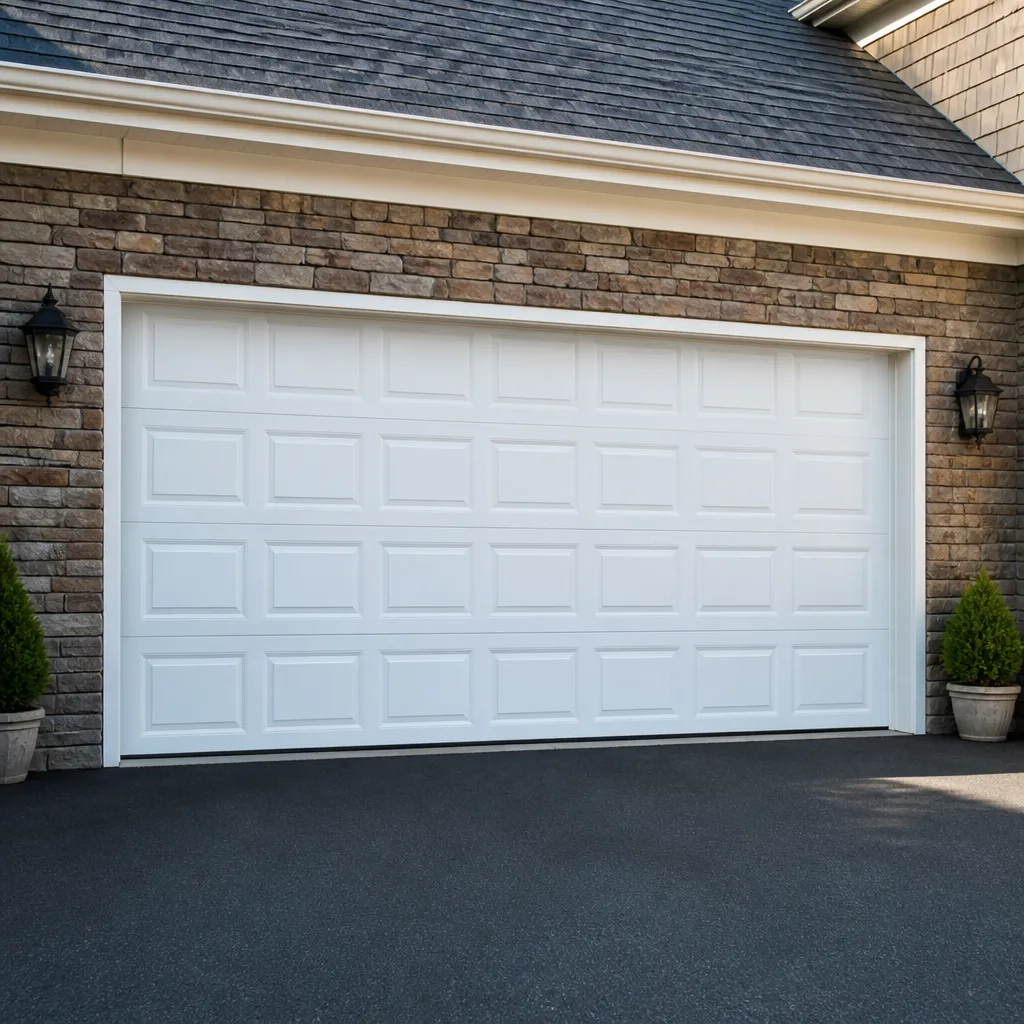 Raised-panel steel
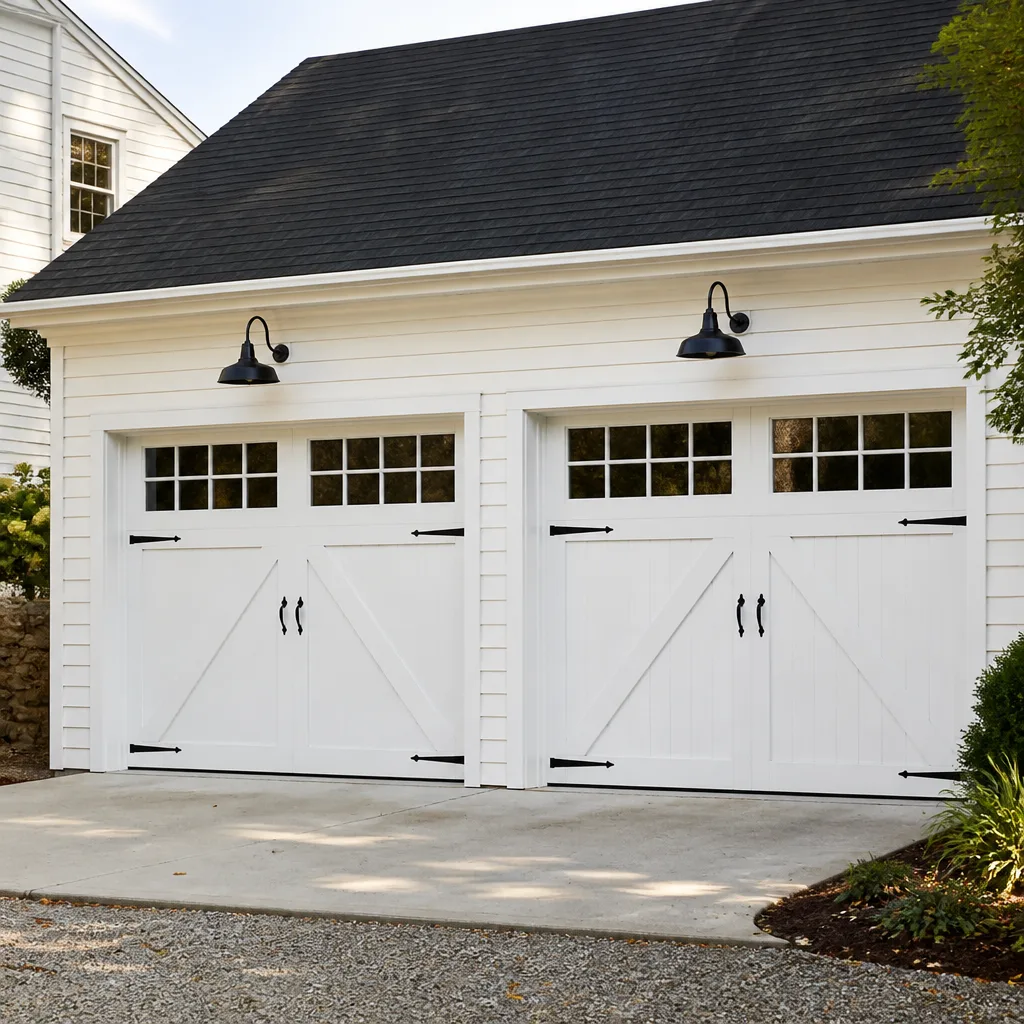 Carriage house
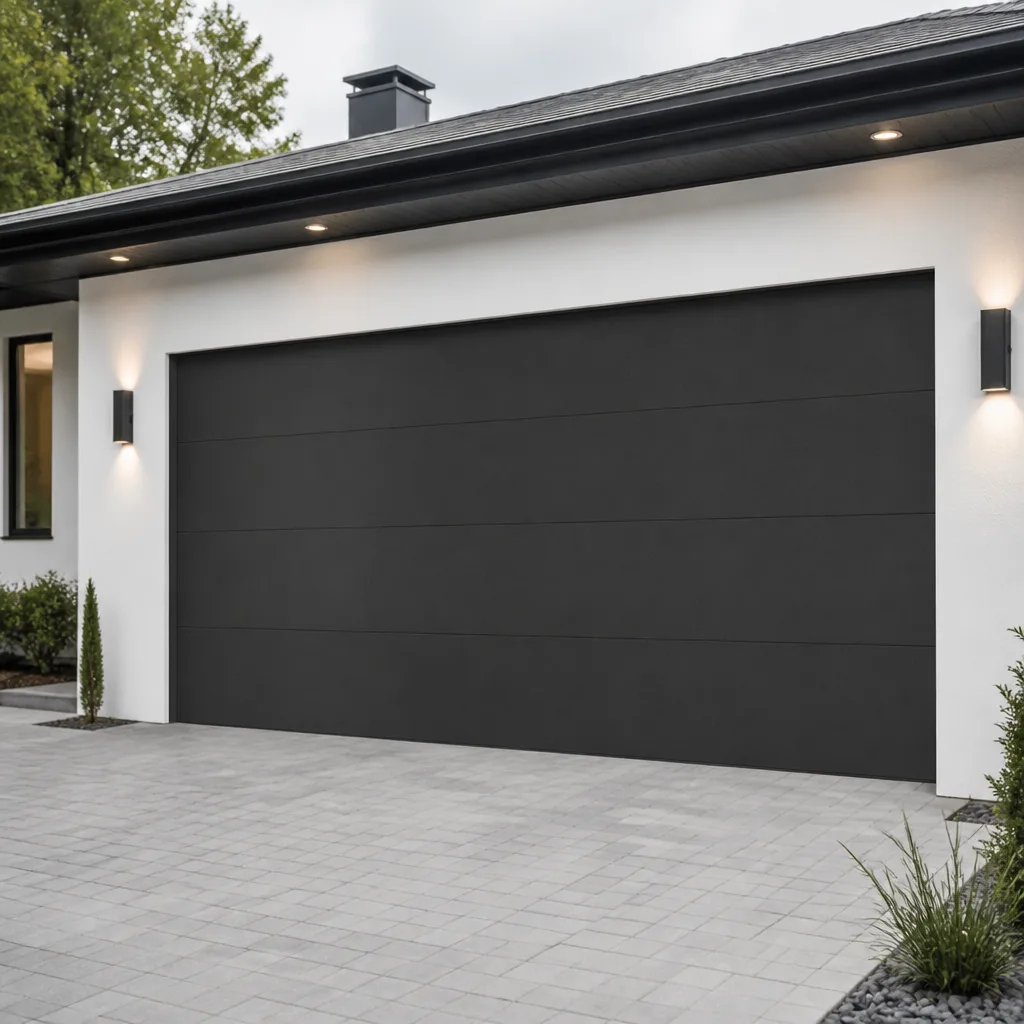 Modern flush
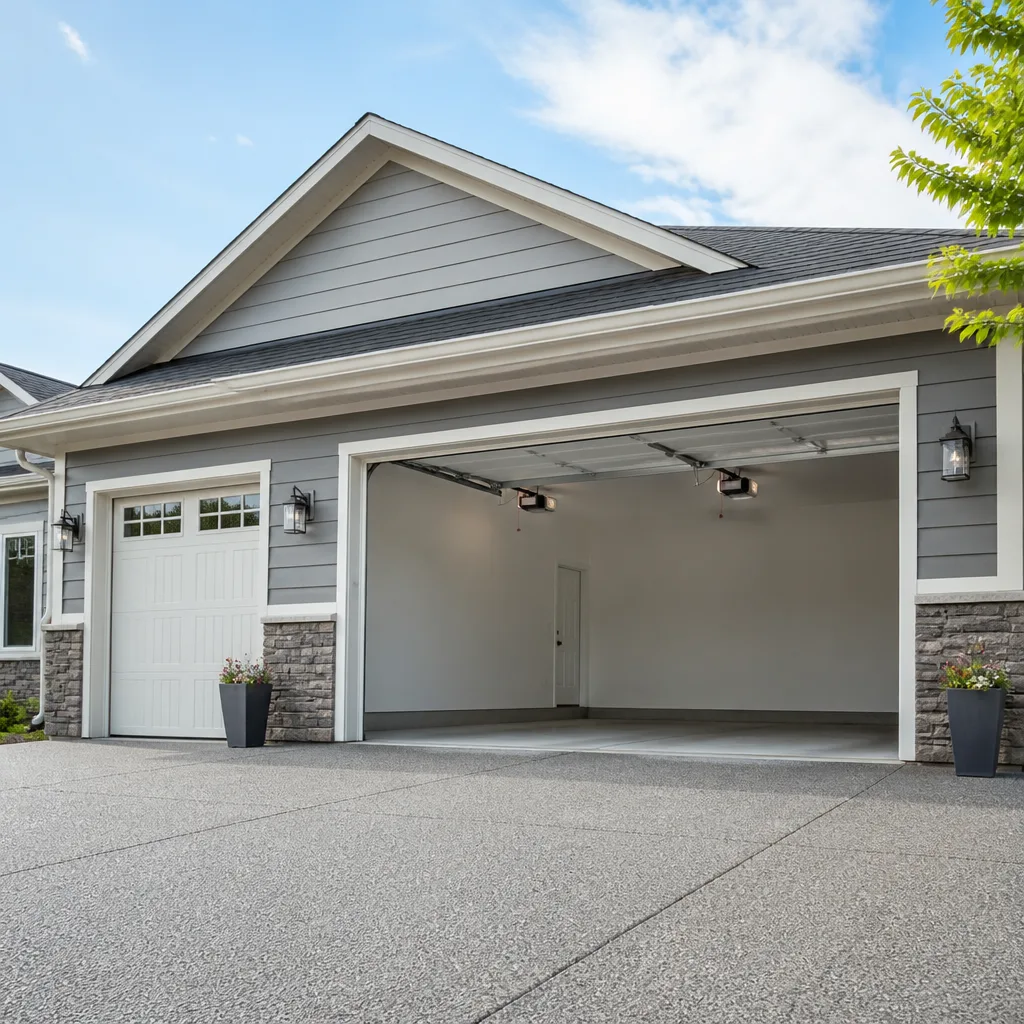 LiftMaster openers
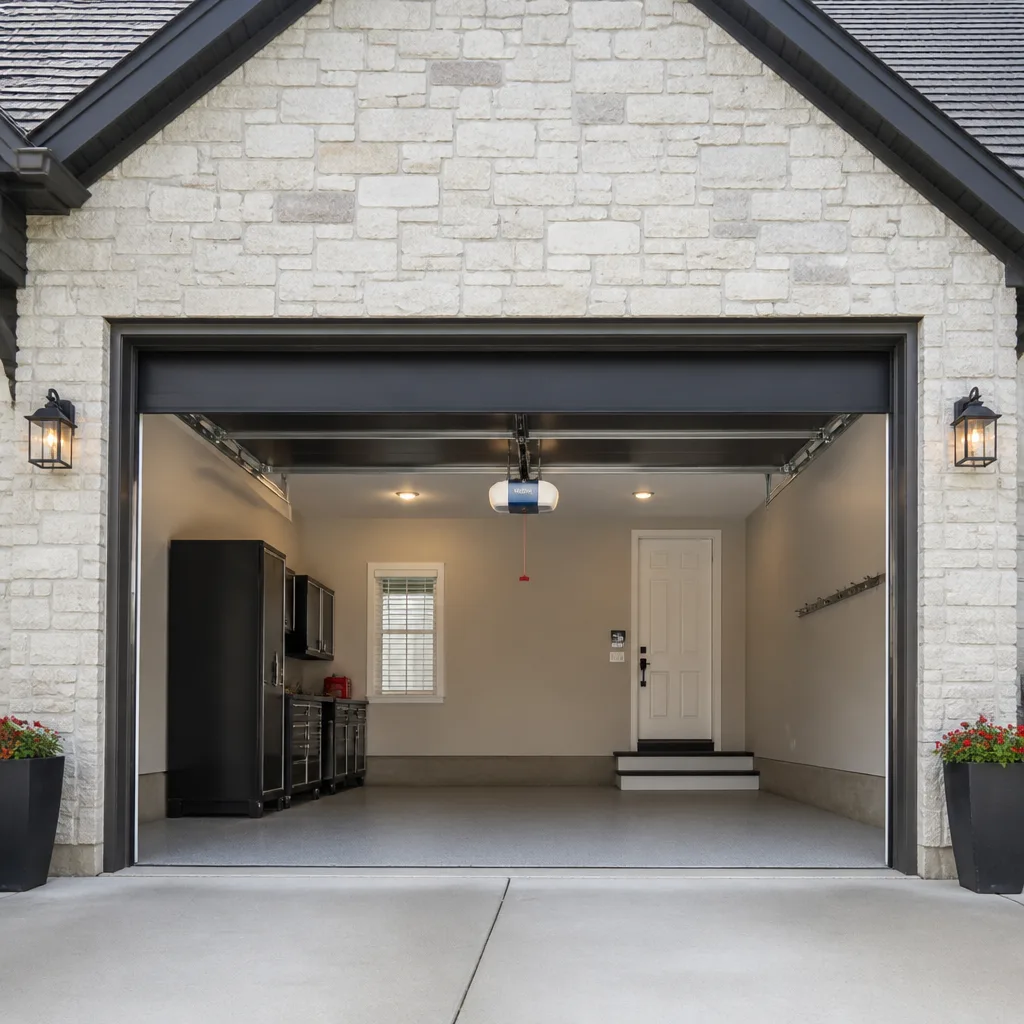 Chamberlain openers
Full 25-point door and opener safety check with every visit - springs, cables, rollers, tracks, and your LiftMaster or Chamberlain opener included
You get a price before we start. It does not change when the pro arrives.
Get your free estimateGarage Door Repair Maintenance Checklist for Riverview Homeowners
Most garage door advice you’ll find online was written for a climate that isn’t ours. It talks about ice, road salt, and freeze damage, then hands you a checklist that skips the three things that actually break doors in Riverview: corrosion from humid summer air, bottom seals that quit sealing before the first real storm, and steel tracks that warp in a hot garage. Here’s the part that surprises most homeowners: skipping one routine task, lubricating the torsion spring, is what quietly doubles what a spring replacement costs you down the line. This guide gives you a realistic monthly, quarterly, and annual checklist with time estimates, tells you which lubricants survive Florida heat, and shows you exactly how to inspect a cable before it becomes a safety problem. If you’d rather have a pro handle it, our Riverview Garage Door Repair Co team works on every major brand.
Quick Answer
A working garage door maintenance routine in Riverview takes about 20 minutes a month, an hour each quarter, and a couple of hours once a year. The core tasks are lubricating the torsion spring, rollers, hinges, and tracks; testing the safety reverse; and checking the bottom seal and cables for wear. The three failure modes that cause most emergency calls in Riverview are corrosion on hinges and rollers, bottom seals that fail during storm season, and heat-warped tracks.
Styles & brands we work with
- Raised-panel steel
- Carriage house
- Modern flush
- Full-view glass
- LiftMaster openers
- Chamberlain openers
Table of Contents
- Why a Riverview Maintenance Checklist Looks Different
- Monthly Tasks (About 20 Minutes)
- Quarterly Tasks (About an Hour)
- Annual Tasks (About Two Hours)
- Which Lubricants Hold Up in Florida Heat
- Testing Your Bottom Seal for Storm-Readiness
- How to Spot a Fraying Cable Before It Fails
- What to Document to Protect Warranty and Insurance Claims
Why a Riverview Maintenance Checklist Looks Different
Riverview’s summers are long, humid, and hot, and garages here routinely hit temperatures well above the outdoor air. That combination does two things to a garage door that cold-climate checklists never account for.
First, corrosion. The humid air settles on hinges, rollers, and the torsion spring coils, and hardware that gets no lubrication starts to pit and seize. A door that grinds through its cycle every morning is a door whose metal is already wearing against itself, and that wear is what shortens the life of the spring and the opener motor.
Second, heat and steel don’t stay perfectly straight. Vertical tracks that were plumb in cooler weather can flex slightly through a hot summer, and a track that’s fractionally out of alignment makes the rollers drag and the door run rough. Riverview homes with west-facing garages feel this most, since afternoon sun soaks that garage door panel for hours.
Then there’s storm season. The bottom seal is the door’s storm barrier, keeping driven rain and wind out of the garage, and a seal that’s flattened or cracked stops doing that job long before it looks “broken.”
So the checklist below is organized around these three local failure points rather than around winter prep. If you only do one thing differently from a generic list, make it spring lubrication.
Monthly Tasks (About 20 Minutes)
Twenty minutes a month keeps the door from developing the small problems that grow into a repair call. Work through these in order:
- Lubricate the torsion spring. This is the task most homeowners skip and the one that matters most. A dry spring coils against itself with friction every time the door moves, and that friction accelerates fatigue and can lead to an early failure. A light application on the coils keeps it working cleanly.
- Wipe and lube the hinges and rollers. A rag to clear dust and grit first, then a thin film of lubricant on hinge pivot points and roller stems.
- Test the safety reverse. Place a block of wood or a rolled towel on the floor in the door’s path and close the door. It should reverse on contact. Then test the photo-eye sensors by passing an object through the beam while the door is closing.
- Listen. Walk away and close the door. Rattle, grinding, or a labored groan are early signals. Note anything new.
- Look at the seal. A quick visual for cracks, tears, or a seal that’s pulled loose on one side.
If a monthly check turns up a problem you’d rather have looked at, our garage door repair service covers Riverview homes and diagnoses the issue before anything is replaced.
Quarterly Tasks (About an Hour)
Once a season, set aside an hour and go deeper. This is where you catch alignment and hardware problems before they wear out other parts.
- Balance test. Pull the release handle to disconnect the opener, then lift the door halfway by hand. A balanced door should hold position on its own. If it drops or rises, the springs need attention, and that’s a job for a trained technician.
- Inspect the tracks. Run a hand along the inside of each vertical track and look for bends, kinks, or spots where the metal has warped. Heat-warped tracks in Riverview usually show up as a door that runs rougher in the afternoon than in the morning.
- Check the hardware torque. With the door down, check that hinge bolts and the bracket fasteners are snug. Don’t crank them; snug is the goal.
- Examine rollers. Nylon rollers that are chipped, flat-spotted, or loud should be replaced. Steel rollers will show wear too.
- Look over the opener rail and belt or chain. Look for sag, wobble, or slack. A fraying belt is cheaper to replace than a burned-out motor.
If the opener itself is the problem, our garage door opener repair handles the smart-home brands and the older units alike.
Annual Tasks (About Two Hours)
Once a year, block out two hours and treat the door like the mechanical system it is. This is the highest-value maintenance window of the year.
- Full door panel inspection. Look for dents, cracks, and any separation at panel seams. On a Riverview door that faces the sun all day, check for warping or discoloration that suggests heat stress.
- Remove and clean the bottom seal area. Clear out debris and grit, check the seal for compression loss, then reinstall or replace as needed.
- Cable inspection. Follow the protocol in the cable section below.
- Spring assessment. Look for visible gaps, rust, or a coil that looks stretched compared to the rest. Don’t attempt any adjustment yourself.
- Opener tune-up. Check the force and travel limits per the manufacturer’s manual, and clean the opener housing.
- Full lubrication pass. Spring, hinges, rollers, tracks (light film only on the tracks, so rollers don’t slide instead of roll).
The annual pass is also the moment to call in a professional for a diagnostic if anything looks borderline. Our garage door spring repair covers springs specifically, because they’re the most hazardous part of the system to service yourself.
Which Lubricants Hold Up in Florida Heat
A lubricant that works fine in a cool garage can turn runny or gummy in a Riverview garage in July. Here’s the short version: use a silicone-based or white lithium grease spray, and skip the WD-40 and the cooking-oil tricks you’ll see online.
What to use:
- Silicone spray for hinges, roller stems, and the torsion spring coils. It stays put in the heat, doesn’t attract dust, and won’t stain a painted door.
- White lithium grease for the opener rail and any exposed gear teeth. A light film is enough.
- Manufacturer-approved lubricant wherever the door or opener manual specifies one. That’s especially relevant if you own a Wayne Dalton or a Craftsman opener, since those manuals often name a specific product.
What to avoid:
- General-purpose household oil or WD-40. It attracts dirt, then that dirt acts like sandpaper on the moving parts.
- Thick grease on the tracks. It grabs grit and gumming up the roller travel.
- Anything that runs or drips after application. In a hot Riverview garage, a thin oil migrates onto the floor or the door, and it stops lubing the part it was meant for.
If you’re not sure what’s on your door now, check the manual or call us. Our technicians work on Amarr, Wayne Dalton, Craftsman, and Raynor doors and know which lubricants each hardware set responds to.
Testing Your Bottom Seal for Storm-Readiness
The bottom seal is what stands between a humid, wind-driven rain and the inside of your Riverview garage. Most homeowners check it visually and call it good. That’s not enough. You want to test compression.
The compression test:
- Close the door fully.
- Look along the length of the seal from floor level. You should see a consistent, unbroken contact line where the seal meets the concrete.
- Slide a piece of paper under the seal at several points, front and back. It should resist. If it slides out freely, that section isn’t sealing.
- Check the floor where the seal sits. A garage floor that’s pitched or cracked can leave a gap even with a perfect seal.
- Look for flattening. A seal that’s been compressed for years will have a permanent flat spot along its length. That’s wear, and it needs replacing.
If the seal fails the paper test or shows visible flattening, replacing it takes the technician about the same time as a routine service call. It’s a small job with a big payoff when storm season arrives. And if a storm does push water past the seal, that’s the kind of thing you’ll want documented for your insurer, which is where the record-keeping section below helps.
How to Spot a Fraying Cable Before It Fails
Most checklists say “inspect cables for fraying” and stop there. A fraying cable is a high-tension component, so this is a visual inspection only. If anything looks wrong, call a technician and don’t touch it.
What to look for:
- Broken or frayed strands. A cable is made of twisted wires. If any single wire is broken or sticking out, the cable is weakening. Run your eyes along the full length of each cable, drum to bracket.
- Rust or corrosion. In Riverview’s humidity, a cable showing rust is losing strength. Rust shows up first at the drum end and at the bottom bracket.
- Uneven tension. One cable should look as tight as the other. A door that hangs crooked or runs at an angle on its tracks often points to a cable problem.
- Loose cables. A cable that’s visibly slack or unwinding on the drum needs immediate professional attention.
The rule is simple: any of these symptoms, and you stop using the door until it’s assessed. Cables sit under serious tension and the failure is sudden. Our garage door repair team inspects cable systems as part of any diagnostic, and we can also advise on the spring that the cables work alongside.
What to Document to Protect Warranty and Insurance Claims
Maintenance records do real work when you have to file a warranty claim or a storm-damage claim. Keep them digital and simple:
- Photos of the door exterior and the garage interior at the same time each year. Those before-and-after shots show your door was in good condition prior to a storm.
- Photo of each routine task as you do it. The date stamp on a phone photo is enough to show a maintenance schedule was kept.
- Service dates, technician name, and what was done for every professional visit.
- Receipts for any parts replaced, and the model numbers on the door and opener.
- Photos of any damage before repairs begin, especially for storm events.
Warranty terms commonly require documented maintenance, and insurers process storm claims faster when the pre-loss condition is clear. Two minutes per task is enough. If a professional handles the work, ask for the service record in writing.
Common Mistakes to Avoid
- Leaving the torsion spring dry. It’s the single most-skipped task and the one that adds wear to the most expensive part on the door. Friction on a dry spring is a hidden cost.
- Using WD-40 or household oil on the tracks or springs. It attracts dirt in Riverview’s humid air, and the grit makes the hardware worse than before.
- Assuming the bottom seal will last as long as the door. It’s a wear item and a storm barrier, and it needs replacing more often than most homeowners expect.
- Doing a “quick fix” on a cable or spring. These parts are under high tension. No amount of caution on a homeowner’s part makes that repair safe to do at home.
- Ignoring a rough-running door because “it still opens.” Drag and grinding wear everything faster, including the opener motor.
- Skipping the annual photo record. It’s the cheapest insurance paperwork you’ll ever do, and it’s how you prove a storm claim.
- Forgetting the opener. The door and the opener are one system. Monthly and annual checks should include both.
See the difference
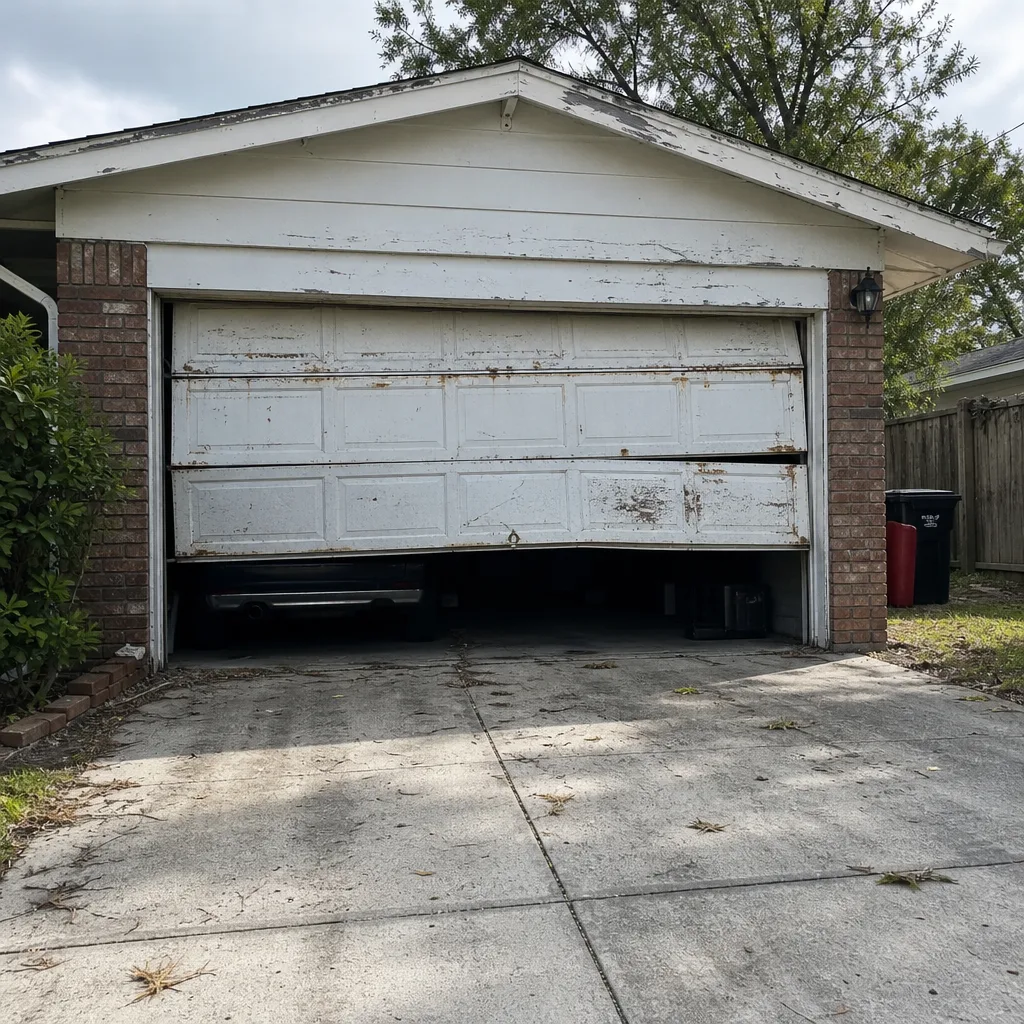 Before
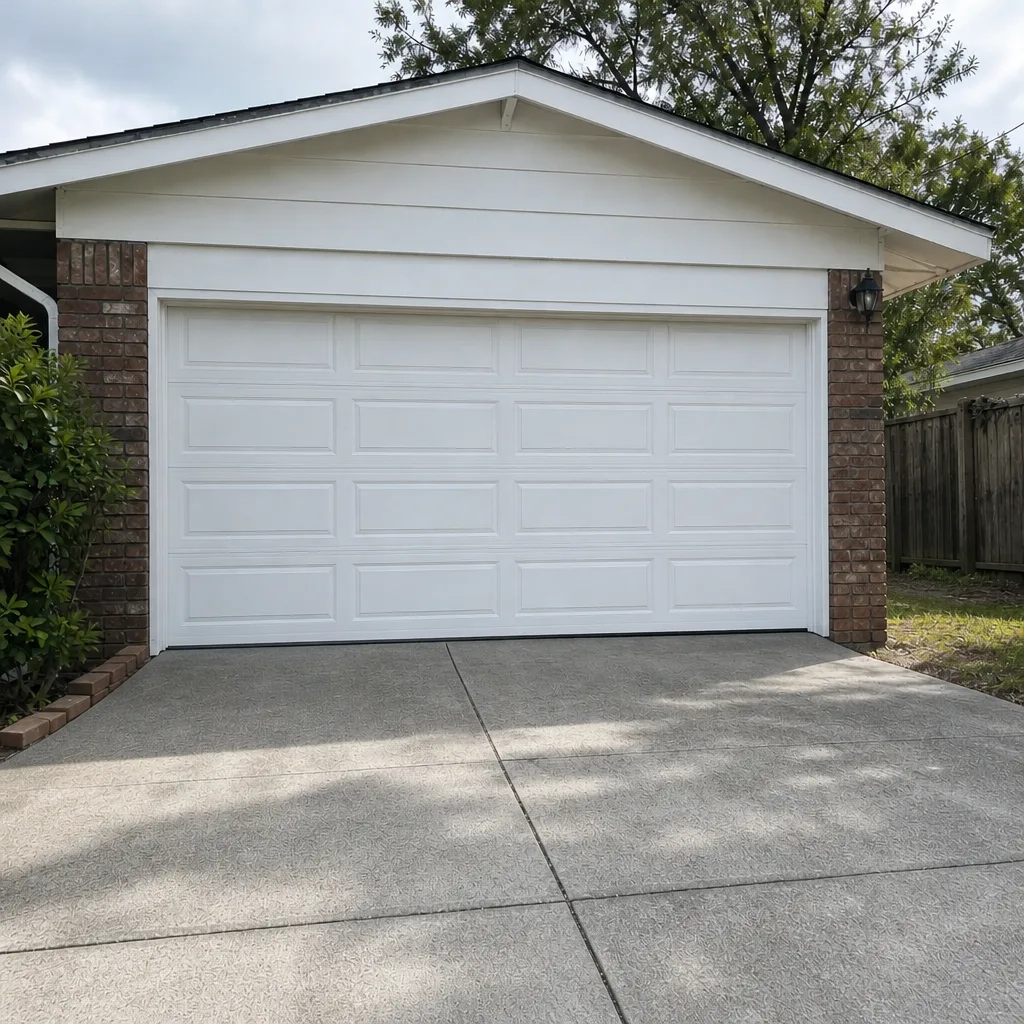 After
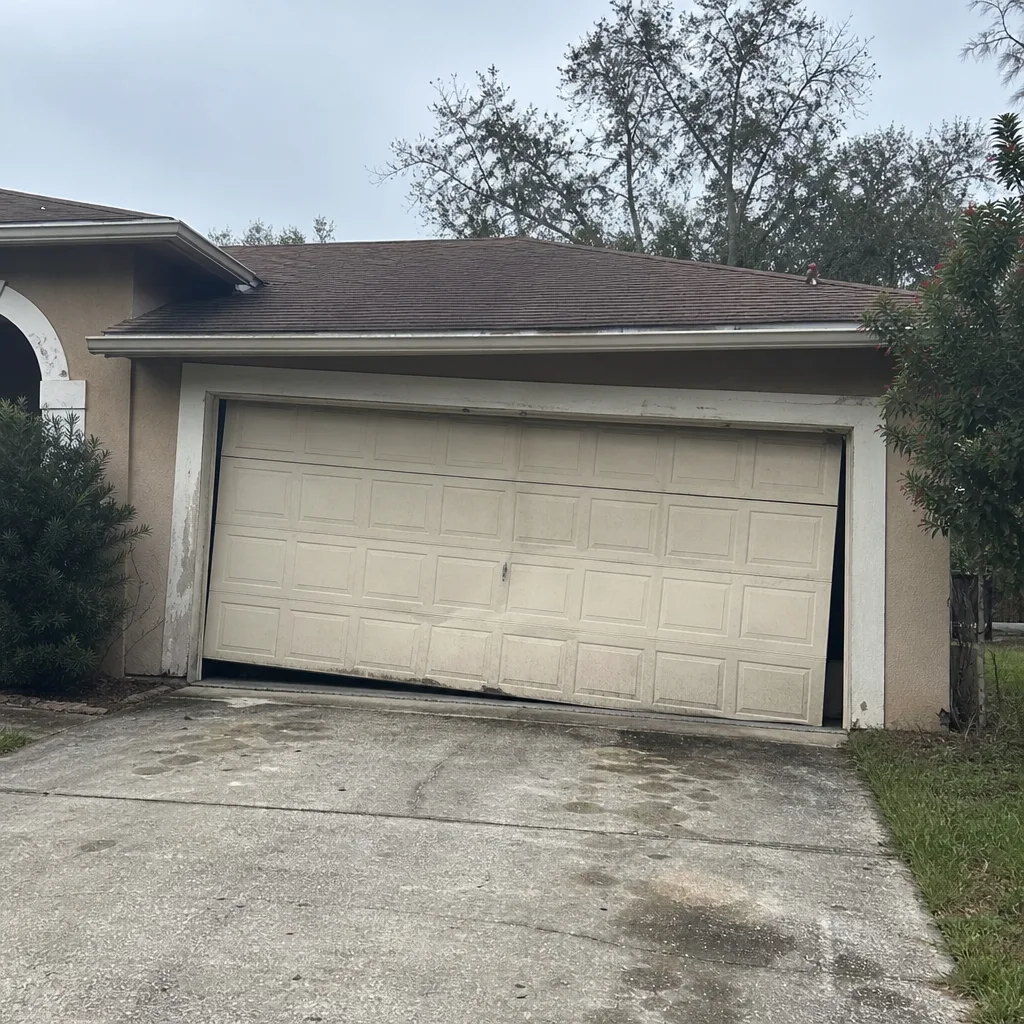 Before
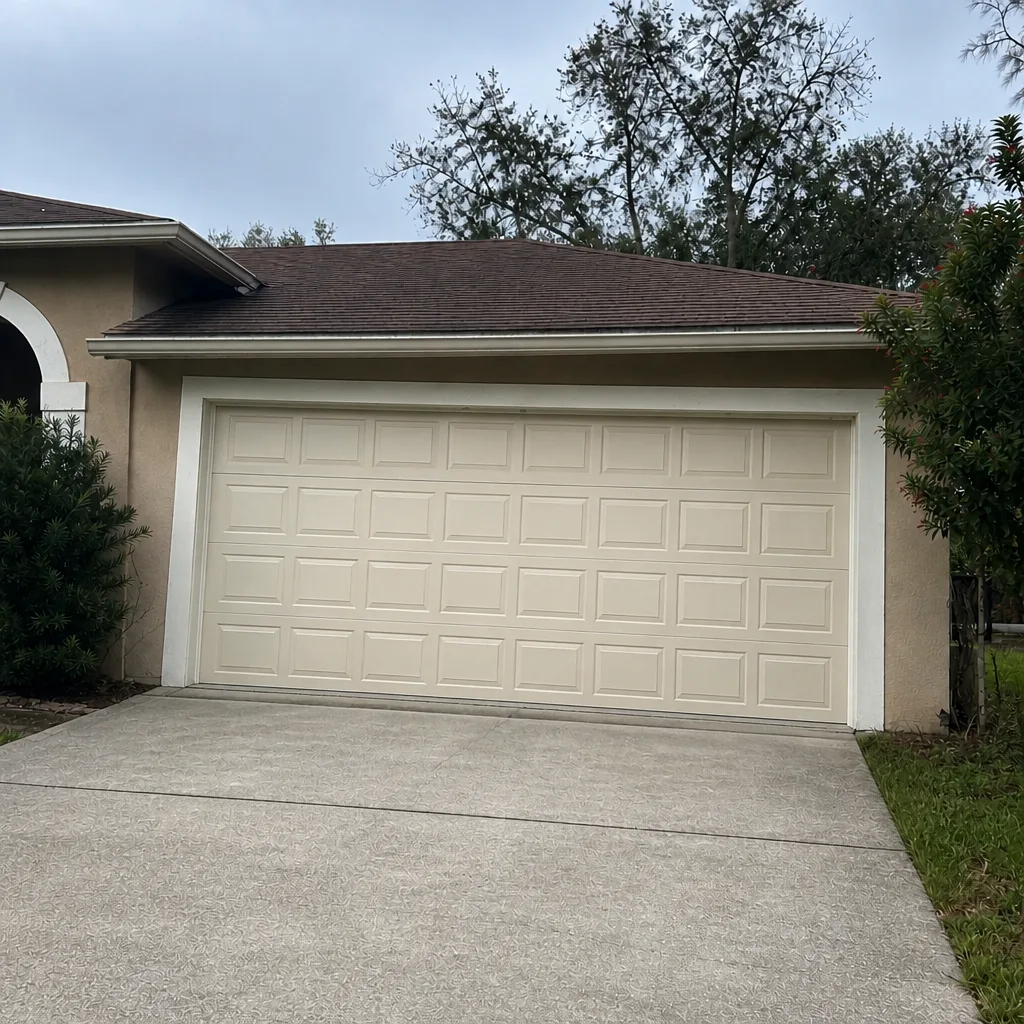 After
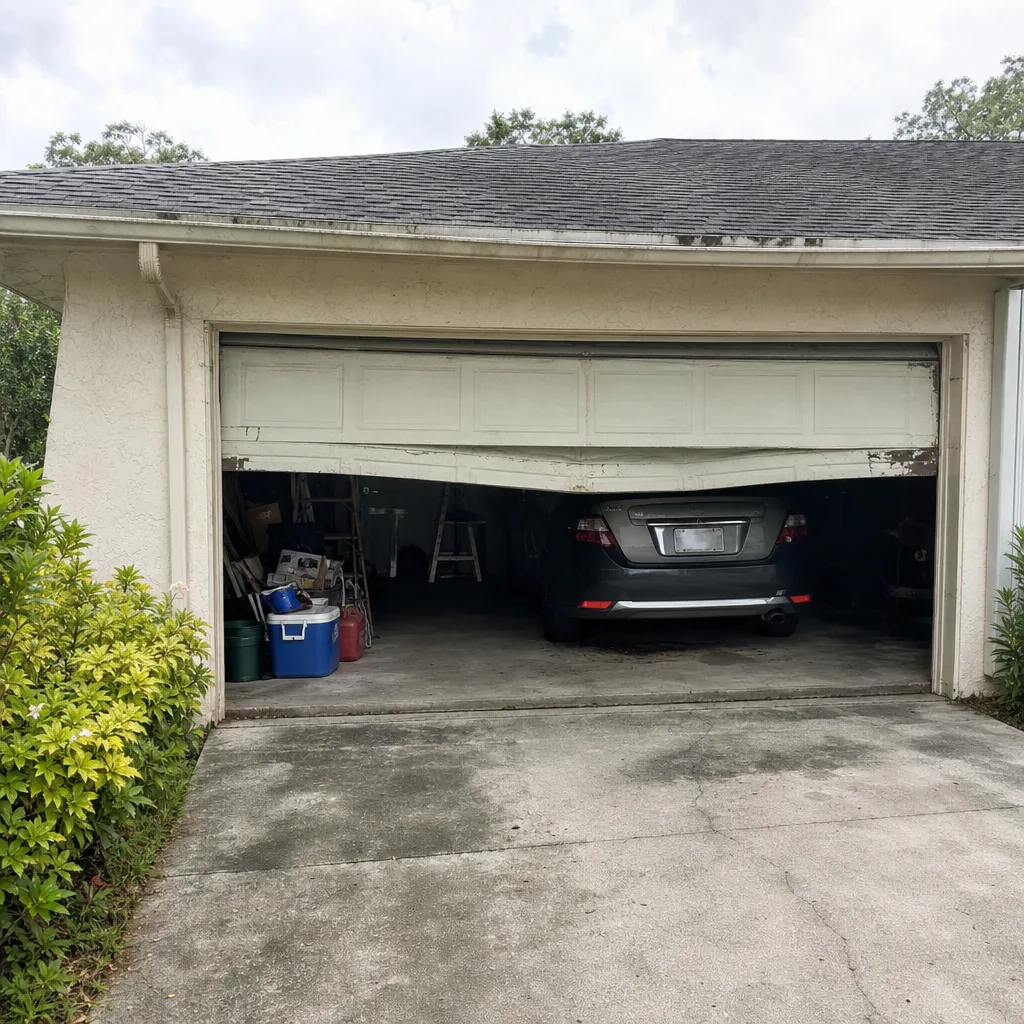 Before
 After
When to Call a Professional
Some tasks belong to you. Some belong to a trained technician, and it’s worth knowing where the line falls. Call a professional if the door won’t balance when you lift it by hand, if a cable looks frayed, slack, or rusty, if a track is bent or warped, or if the door reverses unevenly or doesn’t reverse at all. Springs are a professional job, full stop, since they’re under high tension and fail suddenly. Opener motors that strain, run hot, or reverse at the wrong points also deserve a technician’s eye. Riverview Garage Door Repair Co offers free estimates in Riverview. Call (866) 521-4006.
Frequently Asked Questions
Once a month is the target for the torsion spring and a light pass on hinges and rollers, with a full lubrication pass once a year. Riverview’s humid air and hot garages make corrosion the biggest threat, and monthly lubrication is the cheapest way to hold it back. Call (866) 521-4006 if you’d rather have our technicians handle it.
No. A torsion spring is under heavy tension and can cause serious injury if it lets go. This is a job for a trained technician, and our spring service covers it. Call (866) 521-4006 for a free estimate before the door is used again.
The three most common calls we get in Riverview are spring failures, opener problems, and doors that come off their tracks. Corrosion and heat-warped tracks are frequent contributors. Every estimate is free, and the written quote sets the price before any work starts. Call (866) 521-4006.
Most bottom seals need replacing every few years, sooner if they show flattening or fail the paper compression test. In Riverview, where storm season drives rain against the door, it’s worth testing the seal before every storm season. Call (866) 521-4006 and we’ll check it during a service visit.
Look for broken strands sticking out, rust along the cable, one side hanging looser than the other, or a door that runs crooked. Any of these means stop using the door and call a technician. Call (866) 521-4006 for an inspection, and the estimate is free.
Likely yes. We’re certified to service eight major brands, including LiftMaster, Chamberlain, Genie, Clopay, Amarr, Wayne Dalton, Craftsman, and Raynor. That means our technicians are already familiar with your hardware when they arrive. Call (866) 521-4006 to confirm your model and get a free estimate.
The Bottom Line
A Riverview garage door maintenance routine that actually holds up is built around three local realities: humidity-driven corrosion, storm-season seal failure, and heat-warped tracks. A monthly twenty-minute pass keeps the torsion spring, hinges, and rollers lubricated. A quarterly hour catches balance, track, and hardware problems. An annual two-hour inspection covers the seal, cables, and springs, and you should document every task with photos and dates. Skip the WD-40, use silicone or white lithium, and test the bottom seal before storm season. Springs and cables are a professional job. Riverview Garage Door Repair Co handles every brand and every stage, from tune-ups to full installation. Call (866) 521-4006 for a free estimate.
Written by the team at Riverview Garage Door Repair Co.