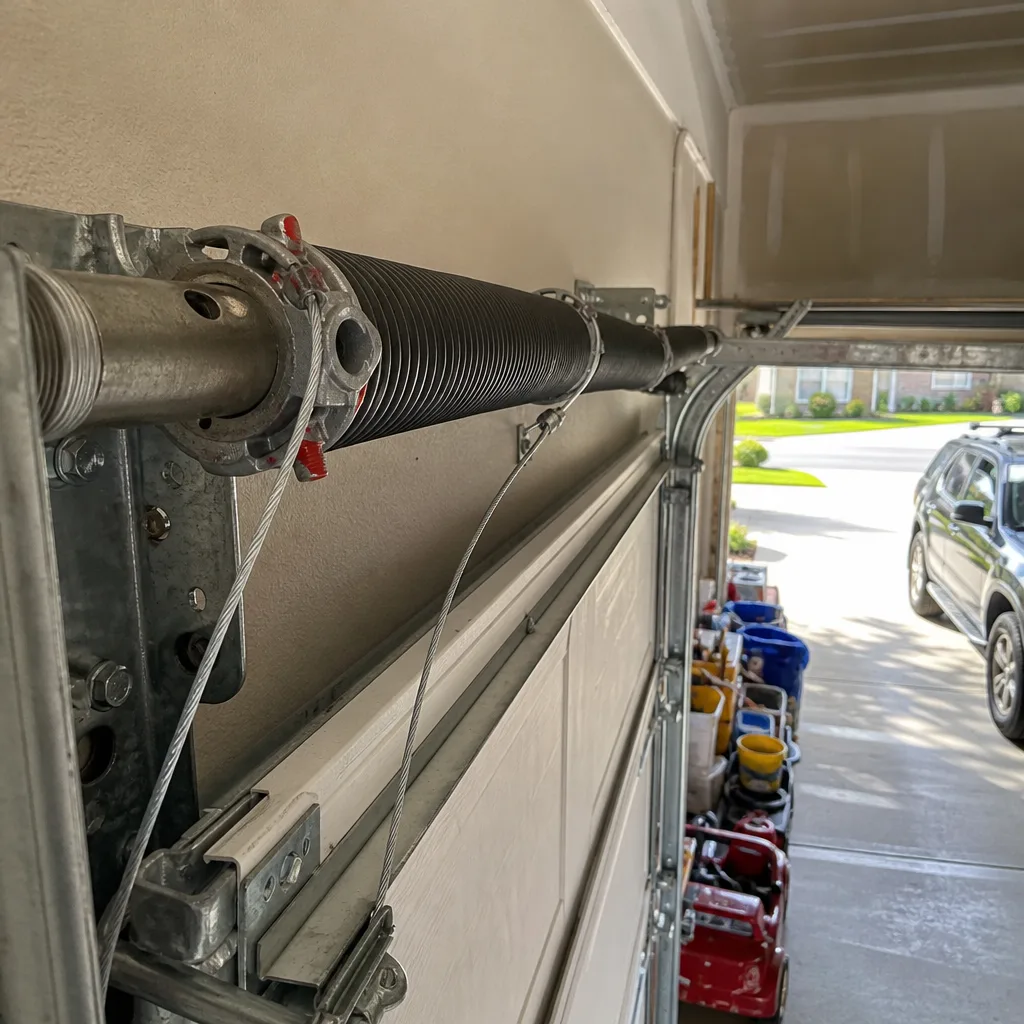
Last updated November 21, 2026
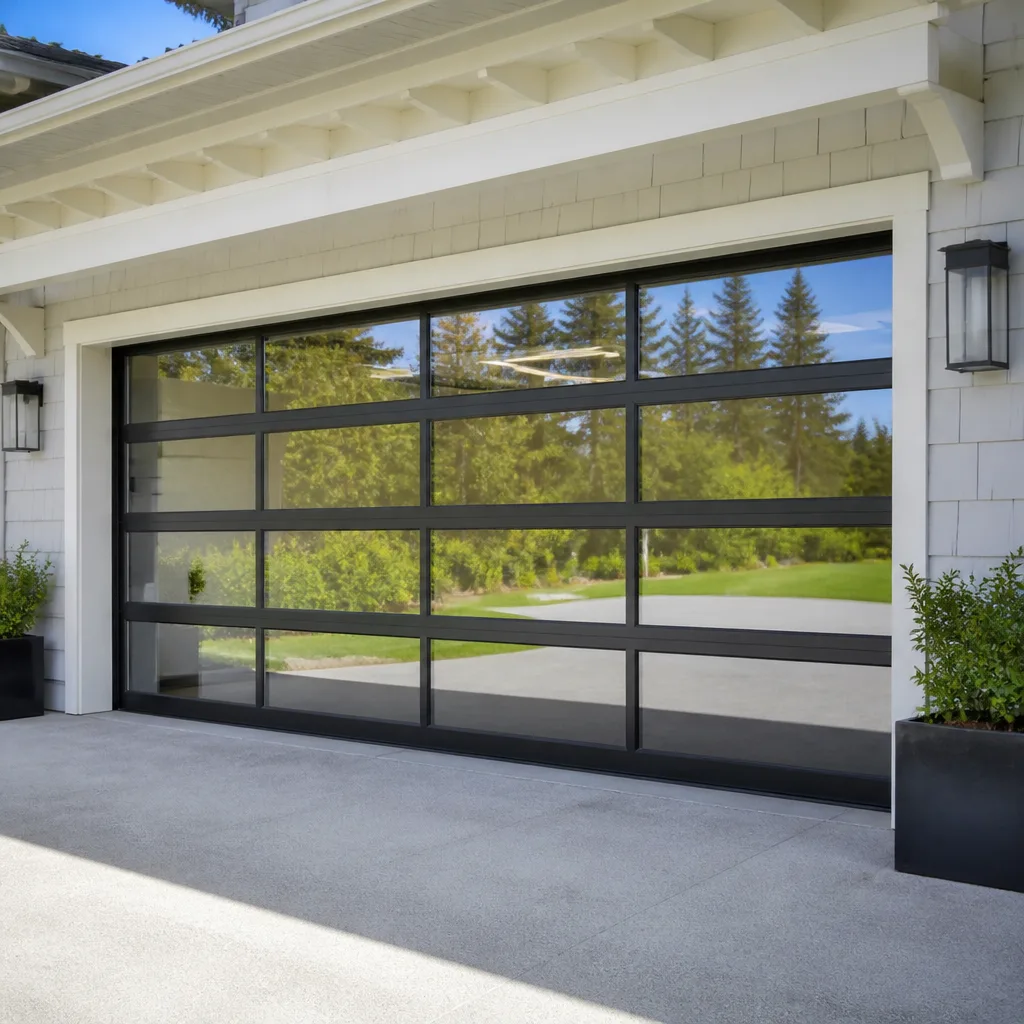 Full-view glass
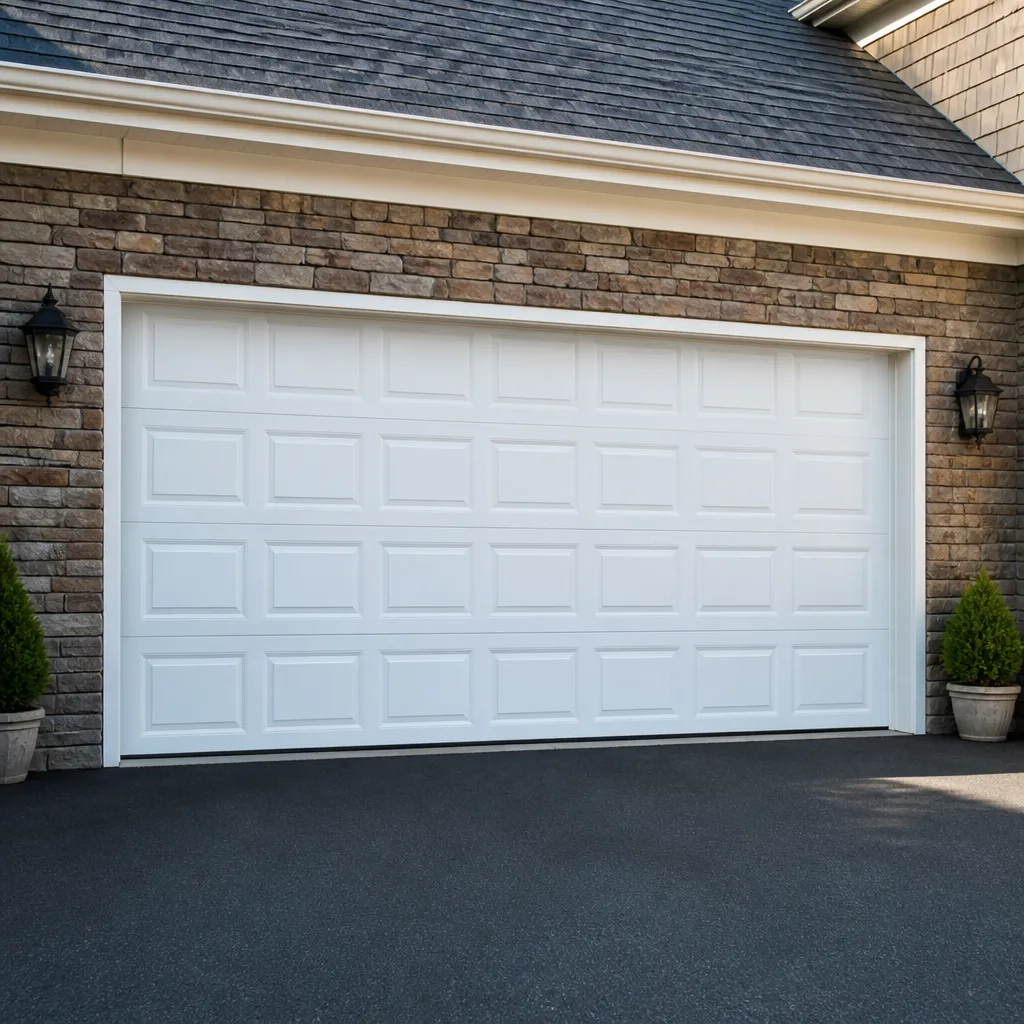 Raised-panel steel
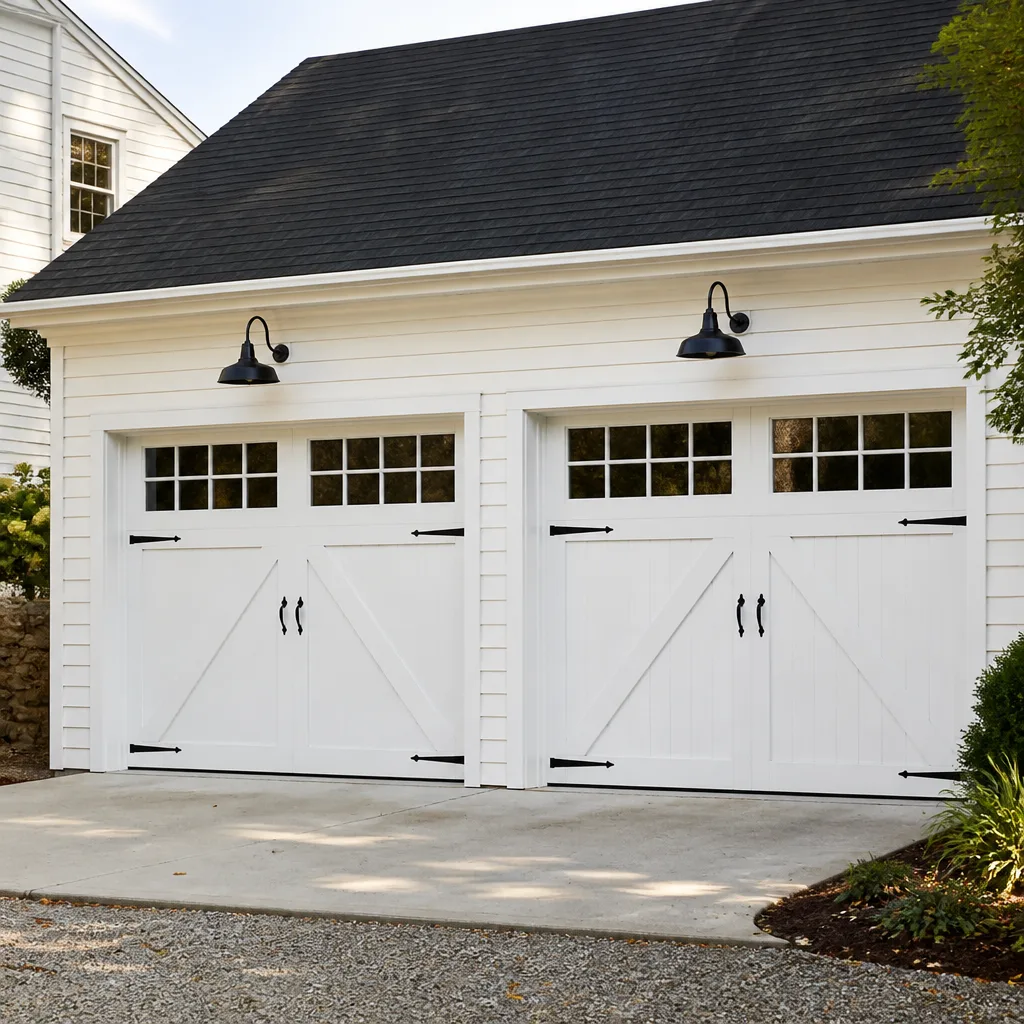 Carriage house
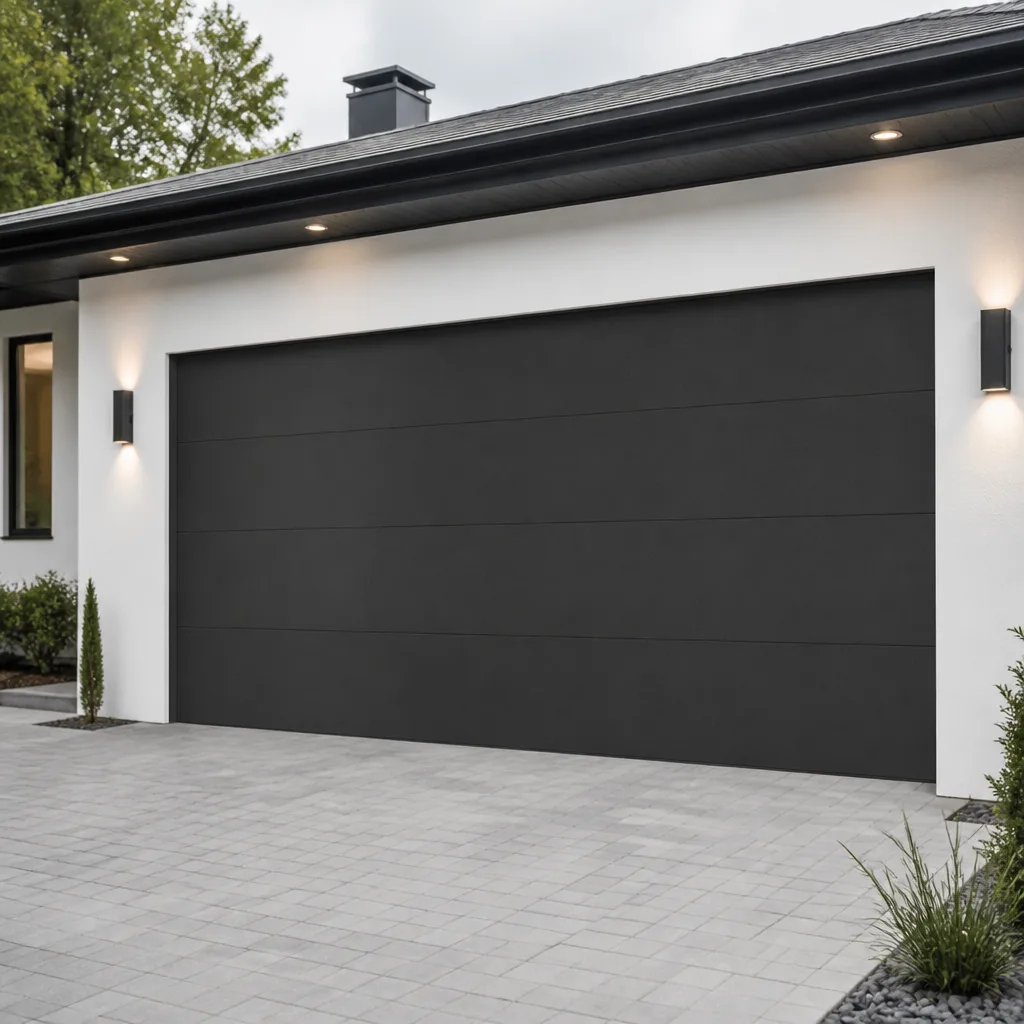 Modern flush
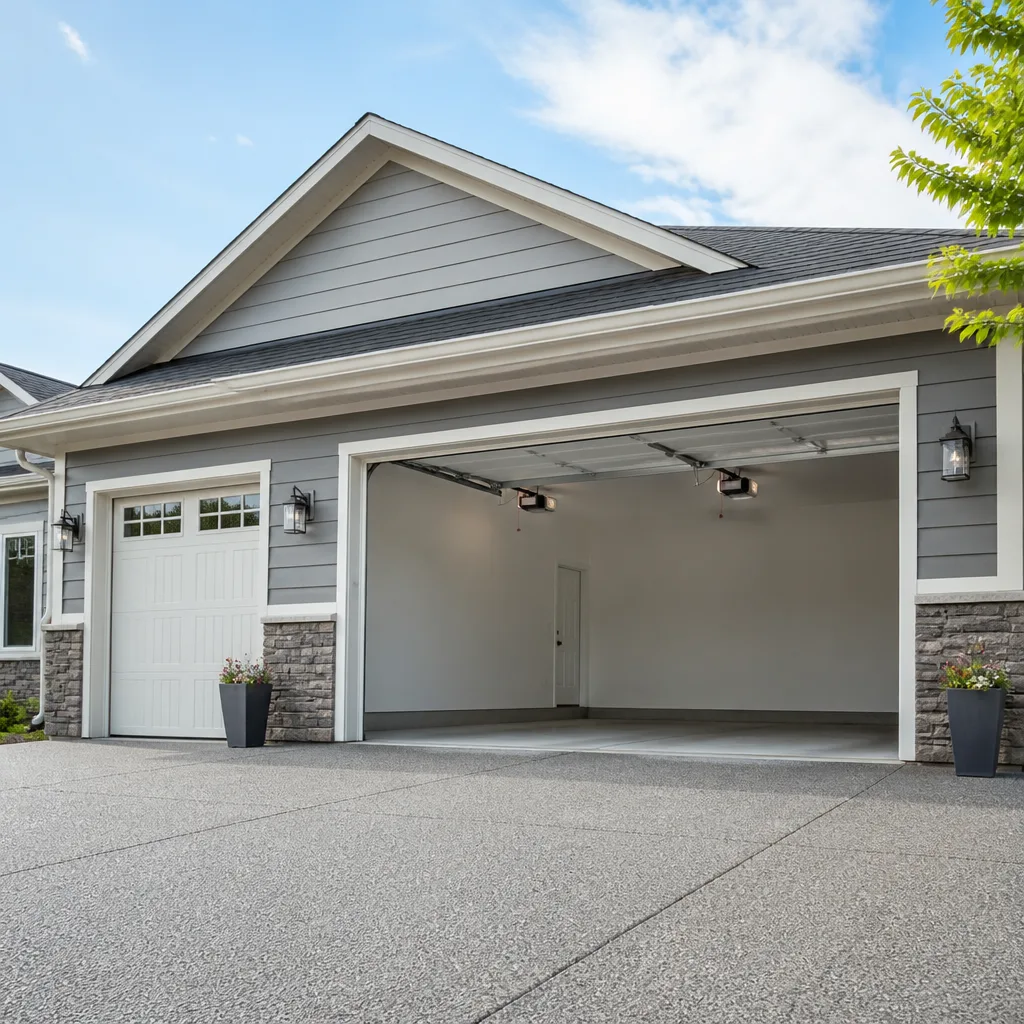 LiftMaster openers
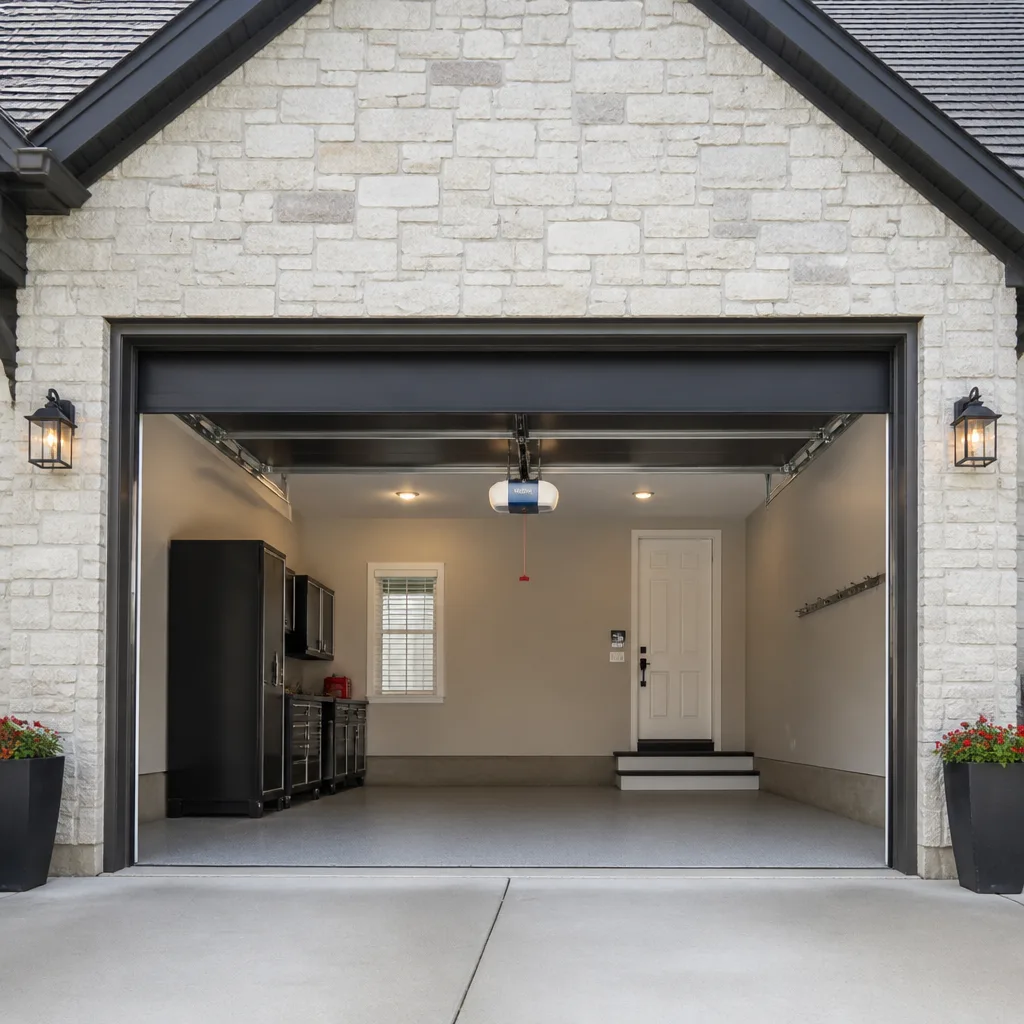 Chamberlain openers
Full 25-point door and opener safety check with every visit - springs, cables, rollers, tracks, and your LiftMaster or Chamberlain opener included
You get a price before we start. It does not change when the pro arrives.
Get your free estimateThe Complete Guide to Garage Doors in Riverview
Most garage door guides are written for homes in the Northeast or Midwest, where snow load, ice dams, and frost heave shape every recommendation. Riverview doesn’t work that way. A steel door rated for 40 mph winds will fail during a Hillsborough County hurricane season long before its warranty expires, yet most homeowners don’t learn that until after installation. The advice that fills most guides simply doesn’t apply to a slab-foundation home in a humid subtropical climate. This guide reframes every decision – door selection, spring materials, track alignment, opener choice, repair versus replace – around what actually holds up in Riverview, from the wind requirements that govern your permit to the humidity that quietly eats through hardware.
Quick Answer
Garage door decisions in Riverview should be driven by three local factors: Florida Product Approval wind ratings for hurricane exposure, humidity that accelerates rust on springs and cables, and slab-foundation settling that throws tracks out of alignment more often than in framed homes. If you’re repairing, spring replacement and opener repair are the two most common jobs. If you’re replacing, buy a door with a documented Florida Product Approval number, not a generic “wind-rated” marketing claim. Either way, insist on a written quote before any work starts.
Styles & brands we work with
- Raised-panel steel
- Carriage house
- Modern flush
- Full-view glass
- LiftMaster openers
- Chamberlain openers
Table of Contents
- Why Riverview Garage Doors Face Different Pressures
- Florida Product Approval: What Actually Matters
- How Riverview Humidity Attacks Springs, Cables, and Seals
- Slab Foundations and the Track Alignment Problem
- The Whole Garage Door Ecosystem, Explained
- Repair or Replace? The Florida Age Curve
- What Garage Door Work Costs in Riverview
- Emergency Situations and When to Call
Why Riverview Garage Doors Face Different Pressures
Riverview sits in Hillsborough County, inland from Tampa Bay, and that geography shapes the entire life cycle of a garage door. The summers are long and humid. The hurricane season runs from June through November, and every door installed here should meet the wind-load requirements your building department enforces. And the housing stock – a mix of newer subdivisions spreading out toward Apollo Beach and older neighborhoods closer to the Alafia River – is overwhelmingly built on slab foundations, which behave very differently from the framed foundations and basements common in colder climates.
Those three facts change the questions a homeowner should ask. In Ohio, the question is whether the door will survive a heavy snow load. In Riverview, the question is whether the door will survive a wind-borne debris impact during a named storm, and whether its springs will last more than a few years in air that’s humid most of the year.
We’ve walked into Riverview garages where the door hardware looked ten years older than it was, purely because the bottom seal trapped moisture against the steel and the springs had started to corrode long before the door had done real work. That’s a local pattern, and it’s the reason this guide exists. Generic advice gets it wrong.
Riverview homeowners also face a fragmented contracting market. Big-box stores refer installation out. Many single-man operations only do repairs. Very few companies handle everything – installation, repair, openers, springs, and emergency calls – which matters because a garage door is one interconnected system, not a set of independent parts.
Florida Product Approval: What Actually Matters
“Wind-rated” is marketing language. Florida Product Approval (FPA) is a state-level certification process, and it’s what your local building department will actually look for on the paperwork. If a door is advertised as wind-rated but carries no FPA number, treat that claim with caution. A door without documented Florida Product Approval may not pass inspection in a wind-borne debris region, and it may not perform the way the builder promised.
Here’s how to evaluate a door or an installer’s claims:
- Ask for the FPA number in writing. It appears on a state-issued certification document. A legitimate installer will have it without hesitation.
- Match the rating to your home’s wind zone. Wind requirements vary by address and by structure, so confirm what applies to your specific home with Riverview’s building department before you buy.
- Check whether the door requires a reinforcement system. Some rated doors need additional bracing or a wind-load post, which should be priced into the quote.
- Confirm the impact rating if it’s relevant to your home. Not every garage door needs impact glass or a reinforced panel, but the answer depends on your building code requirements, not marketing.
- Get the paperwork with the door. Keep the FPA documentation with your home records. It matters when you sell, and it matters after a storm.
In our experience, the single most common installation mistake in Riverview is a homeowner buying a door on appearance and price, then discovering at permit time that the door doesn’t meet the local wind requirement. Ask first. Buy second.
Do I need a permit to install a new garage door in Riverview?
Most cities require a permit when you replace a garage door, particularly in wind-borne debris regions. Confirm the exact requirements with Hillsborough County’s building department or the City of Riverview permitting office before scheduling installation. Repairs that swap hardware without changing the door structure usually don’t need a permit, but it’s worth confirming.
How Riverview Humidity Attacks Springs, Cables, and Seals
Cables and springs are steel. Steel in warm, humid air rusts, and corrosion is the leading reason torsion springs in Riverview fail earlier than the same springs do in drier climates. The bottom seal is the second problem area – it pressurizes against the slab, traps moisture, and slowly rusts the bottom rails and hinges from the inside out.
What holds up better here:
- Galvanized or oil-tempered springs. These resist corrosion longer than bare steel and are what we recommend for a Riverview door.
- Sealed or powder-coated cables. Bare strand cables rust quickly in humid air, and a rusting cable is a safety concern, not just a cosmetic one.
- Vinyl or EPDM bottom seals. Rubber seals crack and crumble in the heat; vinyl holds shape; EPDM resists UV and moisture better than standard rubber.
- Aluminum or steel with a durable factory finish. Wood doors can work here, but only with rigorous maintenance, and wood in humid climates needs repainting more often than the manufacturer’s marketing suggests.
The rest of the country talks about freeze-thaw cycles. Riverview doesn’t have them. What Riverview has is a long humid season that quietly wears down every steel component in the door system, from the torsion spring on the header to the hinges on the bottom panel.
That’s why a dedicated approach to garage door spring repair matters more here than in colder climates, and why we recommend annual visual checks of springs and cables rather than waiting for something to snap.
Slab Foundations and the Track Alignment Problem
Most Riverview homes sit on concrete slabs. Slabs settle, and when they do, the garage floor can shift relative to the walls, which throws track alignment out of true. In a framed-foundation home with a basement, the structure flexes differently and tracks tend to stay aligned longer.
The symptoms of slab-related misalignment don’t look like foundation problems at first. They look like door problems:
- The door catches or grinds on one side as it travels up or down.
- The door leans or drifts instead of sitting square.
- Rollers squeal against the track, and the noise changes with the seasons.
- The opener’s travel limits drift, and the door reverses or stops short.
Diagnosing this properly means checking track plumb, checking the header and jamb, and comparing the track’s relationship to the floor slab. If the slab has moved, track bolts and adjustments alone may not fix it – the track may need re-shimming, or the opener’s travel may need resetting once the tracks are true again.
Riverview’s slab quirks also mean that a door that worked fine a year ago can start dragging after the dry season. Soil moisture cycles cause small movements that add up. If your door suddenly starts catching in the same spot, that’s the most common cause we see.
Fixing track alignment is routine. Ignoring it is not: a misaligned track wears out rollers quickly and puts lateral stress on the opener’s drive, which leads to premature opener failure. Routine garage door repair visits usually smooth out these early symptoms before they cascade.
The Whole Garage Door Ecosystem, Explained
A garage door is one system, and every part depends on the others. When one piece fails, the strain usually spreads – which is why fixing a single symptom without looking at the whole system leads to repeat calls.
- The opener. The motor, drive (belt, chain, or screw), logic board, safety sensors, and any smart-home module. It lifts and lowers the door, but it isn’t designed to lift a broken door.
- The torsion spring. A torsion spring stores the energy that counterbalances the door’s weight. When a spring breaks, the opener suddenly has to lift the entire door weight, which is why opener damage often follows a spring failure.
- Cables and drums. The torsion spring drives the cables, which lift the door on both sides. Cables under tension are dangerous to handle.
- Panels. The door face itself – steel, aluminum, wood, or composite. Panel condition affects wind rating and insulation.
- Tracks. The metal rails the rollers travel in. Tracks must be true, level, and correctly bolted to the wall and header.
- Rollers and hinges. The moving connection points between panels. These wear out and start to squeal.
- Bottom seal and weather seal. The barrier between the door and the floor. It blocks wind-driven rain, insects, and heat – and in humidity it’s the first place rust starts.
Most “the door won’t open” calls trace back to the opener when the actual cause is a spring, a cable, or a misaligned track. That’s why we test the whole system, not just the motor. It’s the difference between a fix that lasts and a repeat visit.
Opener brand matters
We’re certified to service LiftMaster, Chamberlain, Genie, Craftsman, Raynor, Clopay, Amarr, and Wayne Dalton equipment. The reason that matters to a Riverview homeowner is simple: when a technician arrives already knowing the brand’s common failure points, diagnostics are faster and the right part goes in the first time. A decades-old Craftsman chain drive and a modern wi-fi-enabled LiftMaster fail in different ways and need different approaches.
For any garage door opener repair, the diagnostics should include checking safety sensor alignment, testing travel and force limits, and confirming the opener isn’t fighting a door that needs adjustment elsewhere. Replacing an opener without addressing a bent track or a tired spring just delays the next call.
Repair or Replace? The Florida Age Curve
In a drier climate, you can often repair a garage door for 15 or 20 years before replacement makes sense. In Riverview’s climate, the math shifts. Springs, cables, and seals wear faster, panels corrode, and the cost of catching up on repairs can overtake the cost of a new door sooner than most national guides suggest.
Use these rules of thumb:
- Repair if the door structure is sound and the failure is a single component – a broken spring, a failed opener, or a track knocked out of alignment.
- Repair if the door is under ten years old, the panels are intact, and the only issues are springs, cables, or rollers.
- Replace if multiple panels are corroded or dented, if you’ve had repeated repair visits in the last two years, or if the existing door doesn’t meet the wind rating required for your home.
- Replace if the opener is failing at the same time the springs and cables are worn; the combined cost of addressing each failure separately often exceeds the cost of a new door and operator.
There’s a Gulf-coast-specific wrinkle: doors installed before wind-rating rules tightened may not meet current requirements even if they look fine. If your door has no FPA documentation and you live in a wind-borne debris region, replacement may be necessary for insurance or code reasons – not just aesthetic ones. Confirm what your home requires before deciding.
Because Riverview Garage Door Repair Co handles repair, opener repair, spring repair, and installation under one company, you don’t have to guess whether your repair person and your installer will agree on the plan. One call, one assessment, one recommendation.
What Garage Door Work Costs in Riverview
Pricing in the Tampa Bay area varies with the market, but here are typical cost ranges for common garage door work in Riverview. These are estimates only. Your written quote sets the final price, and that quote is agreed before any work starts – not after.
Typical cost ranges for garage door services in Riverview
| Service | Typical range | Notes |
|---|---|---|
| Torsion spring replacement (one spring) | $180 – $340 | A matched pair is usually replaced together, so a pair costs about twice this range. Springs wear faster in humid air. |
| Opener repair (motor, board, or sensor) | $120 – $320 | Diagnostic-first. Replacing an opener without fixing the underlying issue just schedules the next call. |
| Track realignment | $120 – $250 | Common after slab movement in Riverview. |
| Cable replacement | $140 – $300 | Cables under tension are a safety item, not a DIY job. |
| Bottom seal replacement | $90 – $200 | Recommended every few years in humid climates. |
| New door installation (standard steel, single door) | $900 – $1,800 | Includes measuring, permitting coordination, and installation. Florida Product Approval documentation should be included. |
| New door installation (premium or impact-rated) | $1,800 – $4,500 | Price depends on size, material, window, and impact rating. |
| Professional inspection and tune-up | $80 – $150 | Worth doing annually in Riverview’s humidity to catch springs and cables before they fail. |
A few things to know about these numbers:
- Single-spring replacement is cheaper than a matched pair, but pairs are usually replaced together. If one spring in a pair has failed, ask whether the second is close behind.
- Emergency calls sometimes carry a premium. The written quote should reflect any premium before the work starts.
- Installation quotes should include permit coordination if a permit is required, and should document the door’s FPA number.
Will the price change once you see it?
No. On a properly run job, the written quote you agree to before work starts is the price. Unexpected conditions – a cracked panel behind a track, a slab issue requiring more shimming – get explained and re-quoted before any extra work begins. If a company quotes a number sight-unseen and then wants to renegotiate on arrival, that’s a red flag in any market.
Emergency Situations and When to Call
Most garage door failures are inconvenient. A few are genuine emergencies, and the response should be immediate. Knowing which bucket you’re in saves time and stress.
Call right away if:
- The door is stuck open and can’t be closed. This is a security concern as much as anything else – the house is exposed.
- The door is hung on one side, twisted, or partially off the track. Trying to force it can cause a panel to collapse.
- A spring has snapped and the door is stuck in the open or closed position.
- The opener runs but the door doesn’t move.
- You hear grinding, snapping, or popping from the torsion bar or drive.
A few things are not emergencies and can be scheduled as regular repair:
- Slow opener travel.
- Loud squealing on the up or down cycle.
- A bottom seal that’s crumbling.
- Remote or keypad that works intermittently.
Emergency garage door service is one of the services we handle as a core offering, not a scheduled convenience – if a door fails on a Saturday or a Sunday, call and we’ll get a slot booked. Skilled technicians can diagnose the issue, secure the door if needed, and give you a written plan before any work starts.
A note on safety
Torsion springs, cables, and the torsion bar are under extreme tension. A spring or cable that fails while being handled can cause serious injury, and the spring system is not a safe DIY repair. We recommend leaving spring and cable work to a trained technician with the right winding bars and safety equipment. For homeowners who want to understand the system, this guide explains how it works – it doesn’t explain how to service it yourself.
Common Mistakes to Avoid
- Buying a door on appearance before checking the FPA number. Wind ratings are documented state approvals, not marketing tags, and a door that doesn’t meet the requirement for your Riverview address may not pass inspection. Get the number in writing before you buy.
- Replacing the opener when the spring is the problem. When a torsion spring breaks, the opener suddenly has to lift the door’s full weight, and the opener’s strain can mimic an opener failure. Diagnose the whole system before spending money on a motor.
- Ignoring a track that’s off by a quarter inch. Slab settlement is common in Riverview, and a small misalignment wears rollers and strains the opener drive. Catch it early with a realignment; catch it late with a new opener.
- Replacing one spring when the pair is worn. Springs in a matched pair wear at nearly the same rate. Replacing one usually means replacing the other within a few months – and paying for a second service call.
- Skipping the bottom seal. In Riverview humidity, a deteriorated seal traps moisture against the bottom rail and starts rust. It’s a low-cost replacement that buys extra years on the door structure.
- Not keeping the door’s documentation. FPA paperwork, installation records, and warranty details are needed when you sell your home and when you file insurance after a storm. Keep them with your home file.
- Calling the first hit on a search result without checking brand coverage. A company unfamiliar with your specific opener brand or door brand wastes time and can replace the wrong part. Confirm they service your brand before scheduling.
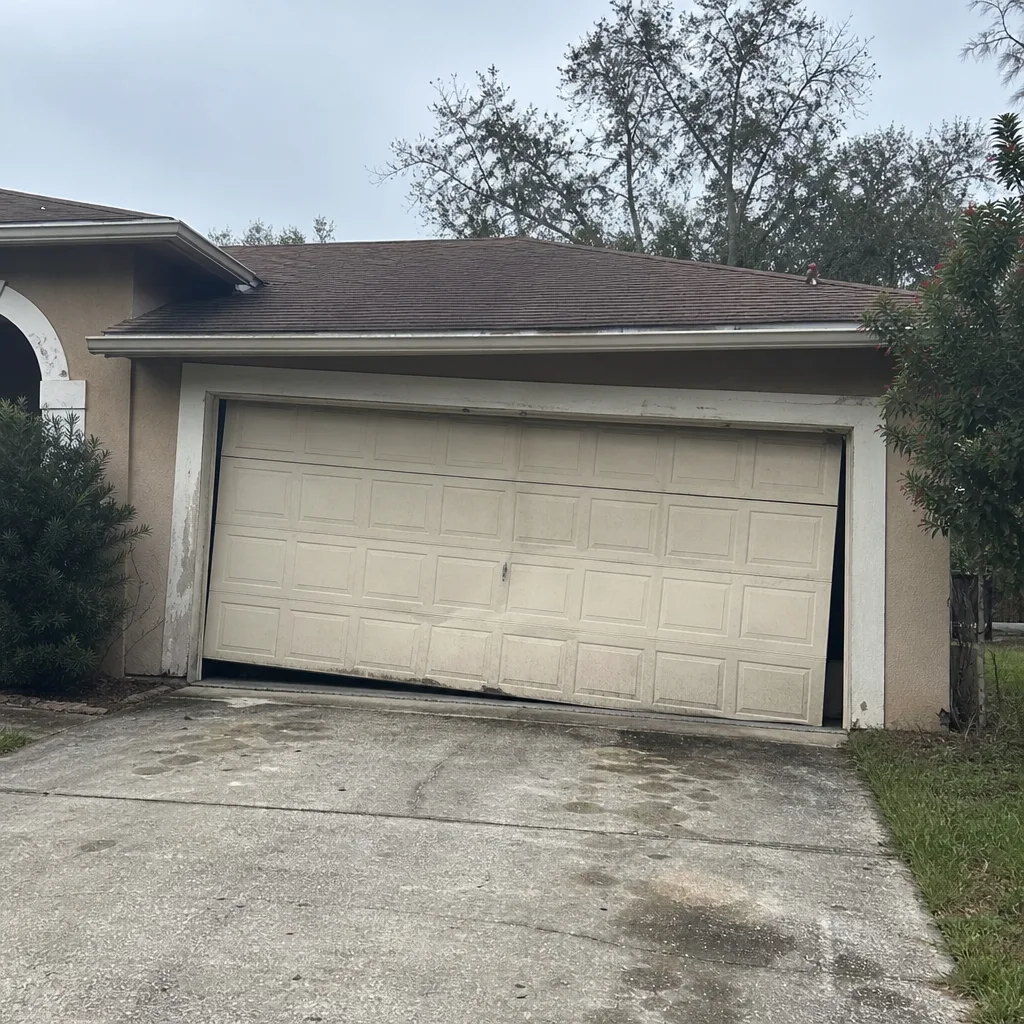
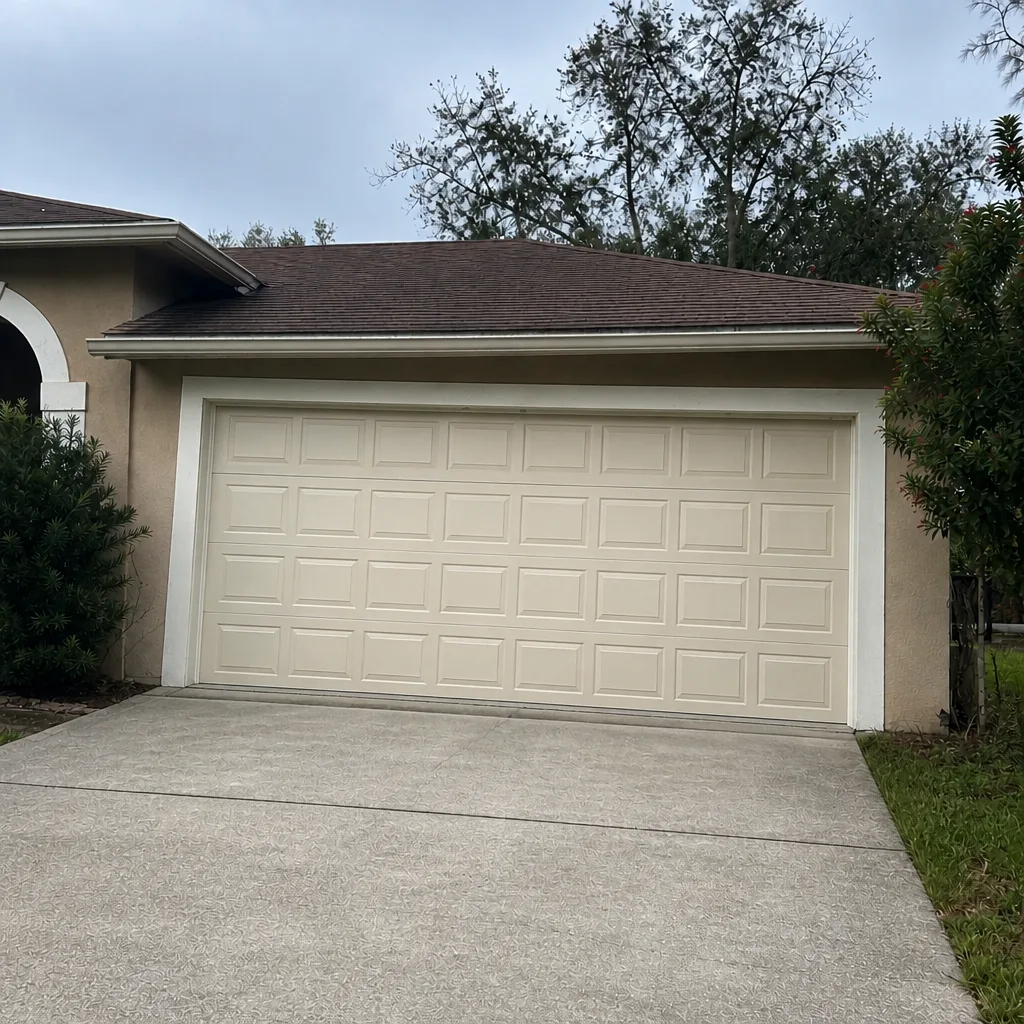
See the difference
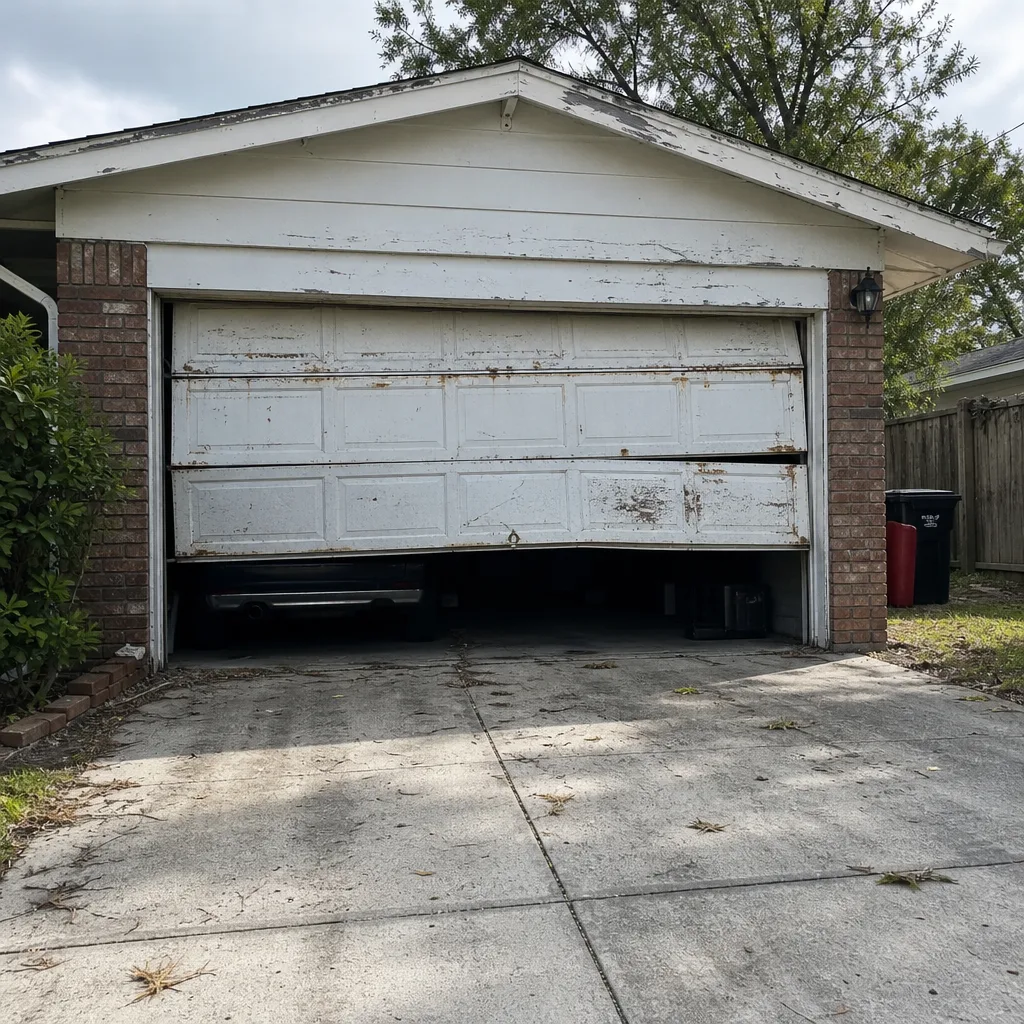 Before
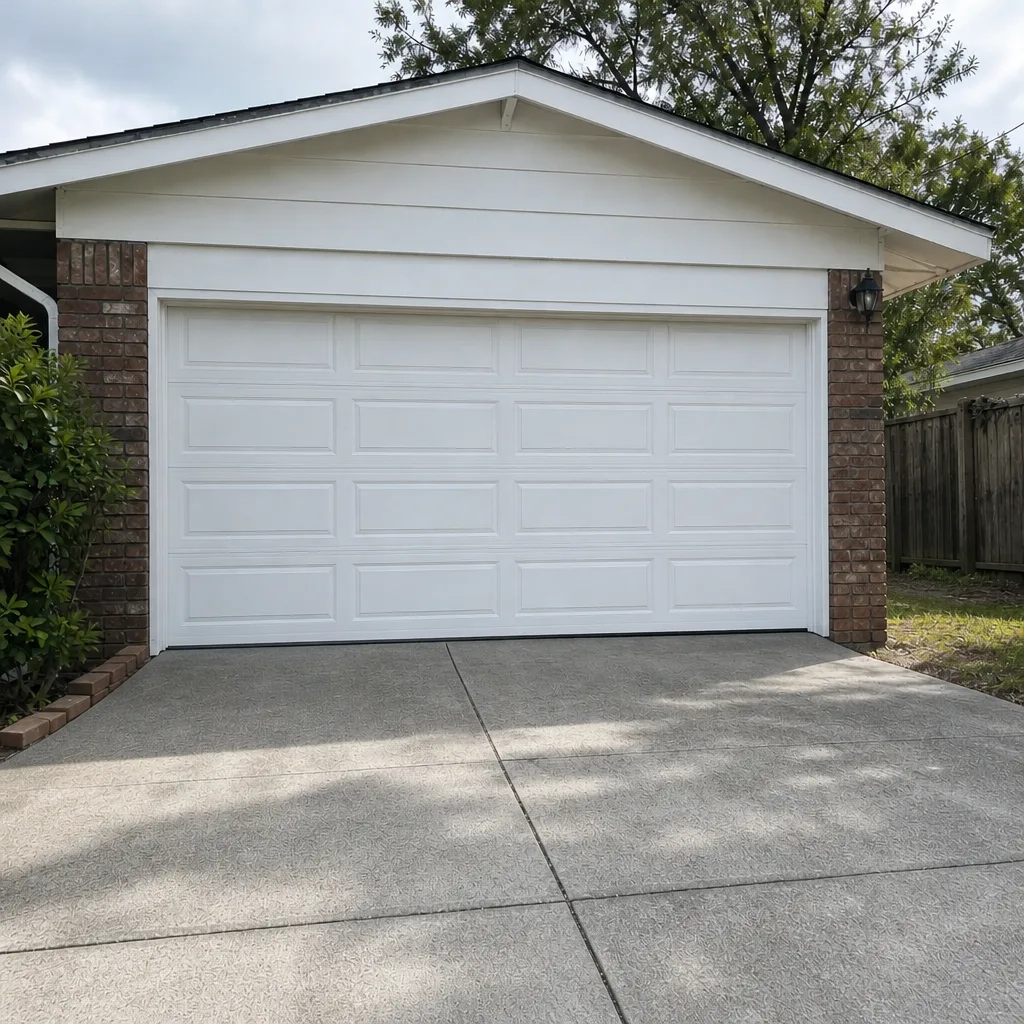 After
 Before
 After
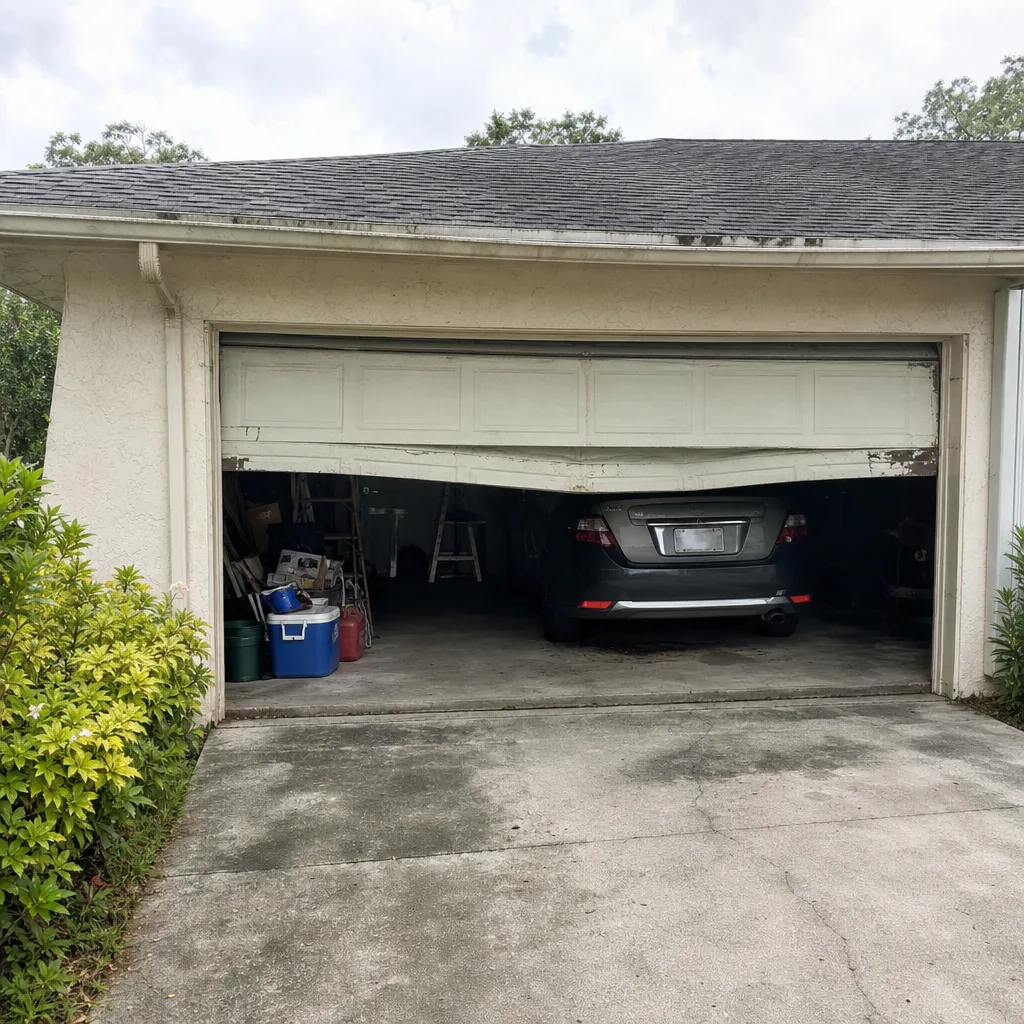 Before
 After
When to Call a Professional
Some garage door issues need a technician, not a weekend project. If a spring has snapped, a cable is loose, or the door is off its tracks, call before you touch anything – those components carry enough stored energy to injure a careful homeowner. If the opener runs but the door doesn’t move, if the door reverses unpredictably, or if you’re planning a new installation and want a wind-rated door that actually passes inspection, professional assessment is faster and cheaper than guesswork. Annual tune-ups are worth scheduling in Riverview’s climate to catch humidity-related wear before a part fails. Riverview Garage Door Repair Co offers free estimates in Riverview – call (866) 521-4006. Our technicians have up to 8 years of experience and are familiar with the major brands – LiftMaster, Chamberlain, Genie, Clopay, Amarr, Wayne Dalton, Craftsman, and Raynor.
Frequently Asked Questions
Torsion spring replacement in Riverview typically runs $180 to $340 for one spring, and a matched pair is usually replaced together at about twice that range, so expect $360 to $680 for a pair. The written quote you receive before work starts is the price. Call (866) 521-4006 for an exact quote – estimates are free.
For most homes in wind-borne debris regions of Hillsborough County, yes – your door should have a documented Florida Product Approval number. Confirm the exact requirement for your address with the city or county building department before you buy, and get the FPA number in writing from your installer. A door without documented approval may not pass inspection.
For most repair calls, yes – same-day service is available when you call. Spring repair, opener repair, and track realignment are the most common same-day fixes. Call (866) 521-4006 to schedule.
The local professional who performs the work is licensed and insured as required by the state of Florida. If you’d like documentation before booking, ask when you call. Call (866) 521-4006 for details.
Riverview’s year-round humidity accelerates corrosion on steel springs and cables more than the drier climates most national guides are written for. Galvanized or oil-tempered springs resist longer here. Annual inspections help catch corrosion before a spring fails.
Yes. New-door installation is scheduled after a free measure, and the door we recommend will carry documented Florida Product Approval for the wind requirement that applies to your home. You’ll get a written quote before ordering, and installation scheduling follows. Call (866) 521-4006 to book a measure.
The Bottom Line
Garage door decisions in Riverview need to be framed around three local factors that national guides ignore: Florida Product Approval for hurricane exposure, humidity-driven corrosion on springs and cables, and slab-foundation settlement that throws tracks out of alignment. Buy doors with documented FPA numbers. Choose galvanized or oil-tempered springs and a durable bottom seal. Diagnose the whole system – opener, springs, cables, tracks, panels – before you decide whether to repair or replace. And insist on a written quote before any work starts. The rest of the details have a way of working out when those basics are right.
Whether you need a single spring replaced or a full new installation scheduled, we’re here to help. Call (866) 521-4006 for a free estimate from Riverview Garage Door Repair Co.
Written by the team at Riverview Garage Door Repair Co.